Entertainment has always been a vital part of human life. It keeps us connected, inspired, and emotionally charged. From ancient myths told around campfires to today’s world of digital streaming, entertainment has evolved in ways that continue to redefine our lives. The need to laugh, to feel, to imagine, and to escape reality for a while is something every generation shares. This blog explores the fascinating journey of entertainment — how it began, how it has transformed, and where it might go next.
The Origins of Entertainment: Stories that Shaped Civilizations
The earliest forms of entertainment were deeply rooted in storytelling. Long before written language, people used oral traditions to share tales of gods, heroes, and the mysteries of life. These stories were not only a source of amusement but also a way to preserve culture, teach morals, and strengthen community bonds.
In ancient Egypt, dramatic performances were part of religious festivals. In Greece, theater became a cornerstone of culture, with tragedies and comedies performed in large amphitheaters. Similarly, in India, the performance of epics like the Ramayana and the Mahabharata served both as moral instruction and public delight. The power of these stories lay in their ability to connect people emotionally, uniting communities through shared experiences.
As societies developed, entertainment began to take many forms. Music, dance, poetry, and visual art all became outlets for expression. Each performance, each song, and each story reflected the values, beliefs, and aspirations of its people.
The Rise of Theater and the Birth of Modern Performance
Theater has been one of the most enduring forms of entertainment. It began as a simple act of storytelling and evolved into a sophisticated art form. Shakespeare’s plays, for example, revolutionized entertainment in the 16th century. His works blended humor, tragedy, romance, and political commentary, appealing to both commoners and royalty alike.
As technology advanced, new forms of performance emerged. The invention of the printing press allowed stories and scripts to reach wider audiences. Later, the creation of stage lighting and mechanical effects enhanced the theater experience, making performances more dynamic and realistic.
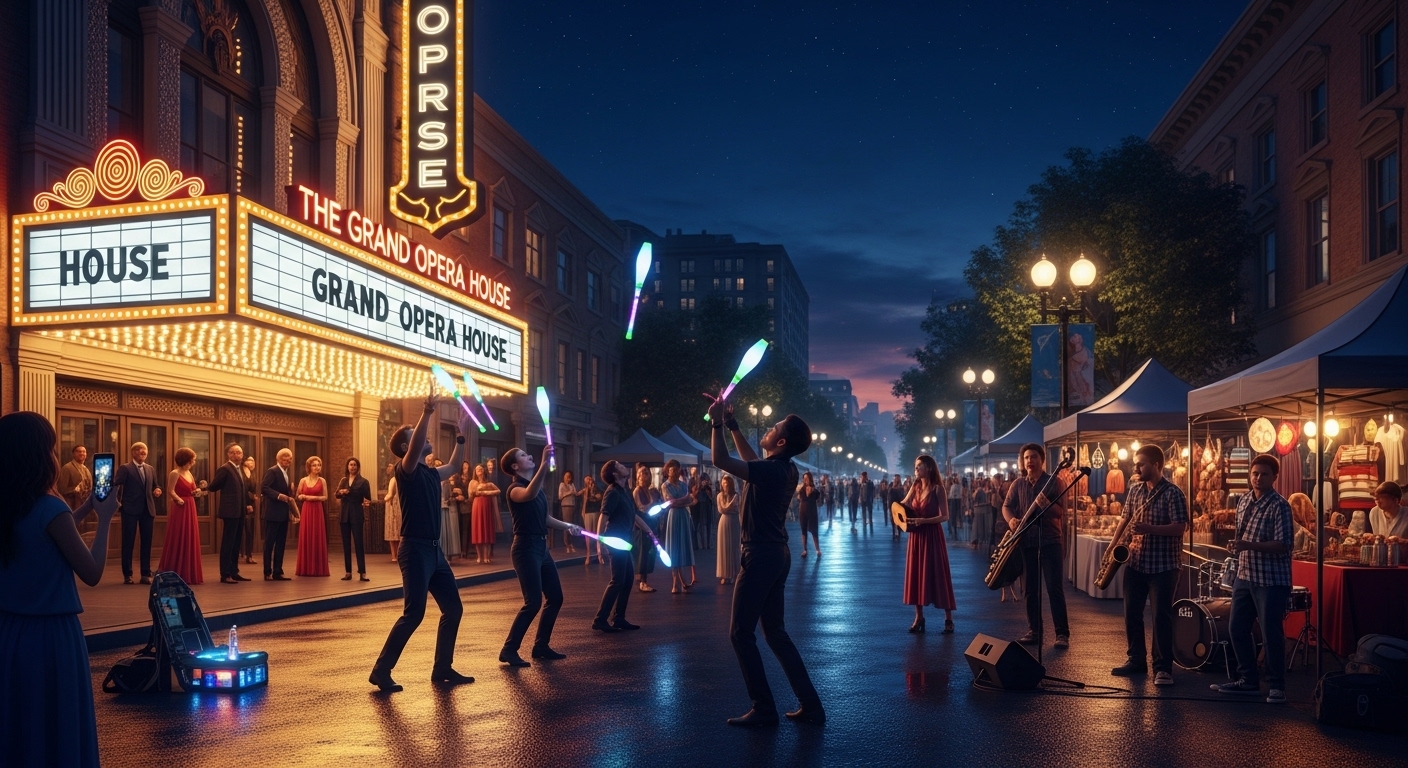
By the 19th century, theater had become a global phenomenon. Opera, ballet, and live drama filled grand halls, captivating audiences with emotional depth and artistic brilliance. These performances weren’t just spectacles — they were reflections of human creativity and imagination.
The Age of Film: A Revolution on Screen
The invention of motion pictures in the late 19th century marked a turning point in entertainment history. For the first time, stories could be captured, replayed, and shared across the world. Silent films enchanted audiences with visual storytelling before the introduction of sound revolutionized the industry.
The early 20th century brought the golden age of Hollywood. Stars like Charlie Chaplin, Marilyn Monroe, and Humphrey Bogart became global icons. Movies were no longer just entertainment; they became cultural landmarks that shaped fashion, language, and even social attitudes.
Film allowed people to experience stories on a grand scale — from epic adventures to intimate dramas. It was a magical blend of art and technology that opened new possibilities for storytelling. Every frame, every scene, became a piece of cinematic history.
Television: Bringing the World into Our Homes
While movies dominated the early 20th century, television brought entertainment directly into people’s homes. Families gathered around small black-and-white screens to watch news, comedies, dramas, and live events. Television created a new kind of shared experience — one that connected millions of people simultaneously.
The arrival of color broadcasting made the experience even more vibrant. Popular shows and sitcoms defined entire generations, influencing pop culture in ways that still echo today. Television also became a powerful educational tool, introducing audiences to science, art, and world events.
By the late 20th century, television had become a central part of everyday life. Channels multiplied, cable TV expanded choices, and global broadcasting connected people from different cultures. Entertainment was no longer local — it had become truly universal.
The Digital Revolution: A New Era of Entertainment
The rise of the internet completely transformed the way people consume entertainment. What once required a theater ticket or television schedule became instantly available online. Streaming platforms, digital music services, and social media opened endless possibilities for creators and audiences alike.
Movies, music, and shows could now be accessed anytime, anywhere. Audiences no longer waited for weekly episodes or movie premieres; they could binge-watch entire seasons in one sitting. This shift gave birth to a new kind of entertainment culture — one that values freedom, personalization, and interactivity.
The internet also gave rise to independent creators. Musicians, filmmakers, and artists no longer needed major studios to share their work. A single viral video or song could turn an unknown creator into a global sensation overnight. Entertainment had truly become democratized.
Social Media: The Stage of the Everyday Performer
Social media has become one of the most influential entertainment platforms of the modern age. Platforms that began as communication tools evolved into spaces for creativity and performance. Ordinary people became influencers, comedians, dancers, and storytellers. The line between celebrity and fan blurred as content creation became accessible to everyone.
Short videos, live streams, and interactive posts have reshaped entertainment into something fast, personal, and ever-changing. People no longer just watch — they participate. Audiences engage directly with creators through comments, reactions, and collaborations, making entertainment a two-way experience.
This era has also changed how fame works. Instead of a few global stars dominating the spotlight, millions of micro-creators have built their own communities. The definition of success in entertainment has become more diverse and inclusive.
The World of Gaming: Interactive Storytelling at Its Best
Another major force in modern entertainment is gaming. What began as a simple pastime with arcade machines has evolved into one of the largest industries in the world. Games today are not just about competition; they are complex, emotional, and cinematic experiences.
Story-driven games allow players to immerse themselves in virtual worlds, making choices that shape the outcome of the story. Multiplayer games connect millions of players globally, creating vast online communities. Esports tournaments now attract massive audiences, with professional players achieving celebrity status.
Gaming combines art, storytelling, and technology in ways that make it one of the most immersive entertainment forms ever created. It’s not just play — it’s participation, creativity, and innovation rolled into one.
Music in the Digital Age: From Vinyl to Viral
Music has always been at the heart of entertainment. From ancient drums and flutes to today’s digital beats, it continues to evolve with technology. The internet transformed how people discover, share, and enjoy music. Streaming platforms replaced physical records, making millions of songs available instantly.
Artists now connect directly with their fans through live streams and social media. Collaborations across continents are common, and genres blend freely, creating new sounds and styles. The power of music remains unmatched — it transcends language and culture, touching the soul in ways words cannot.
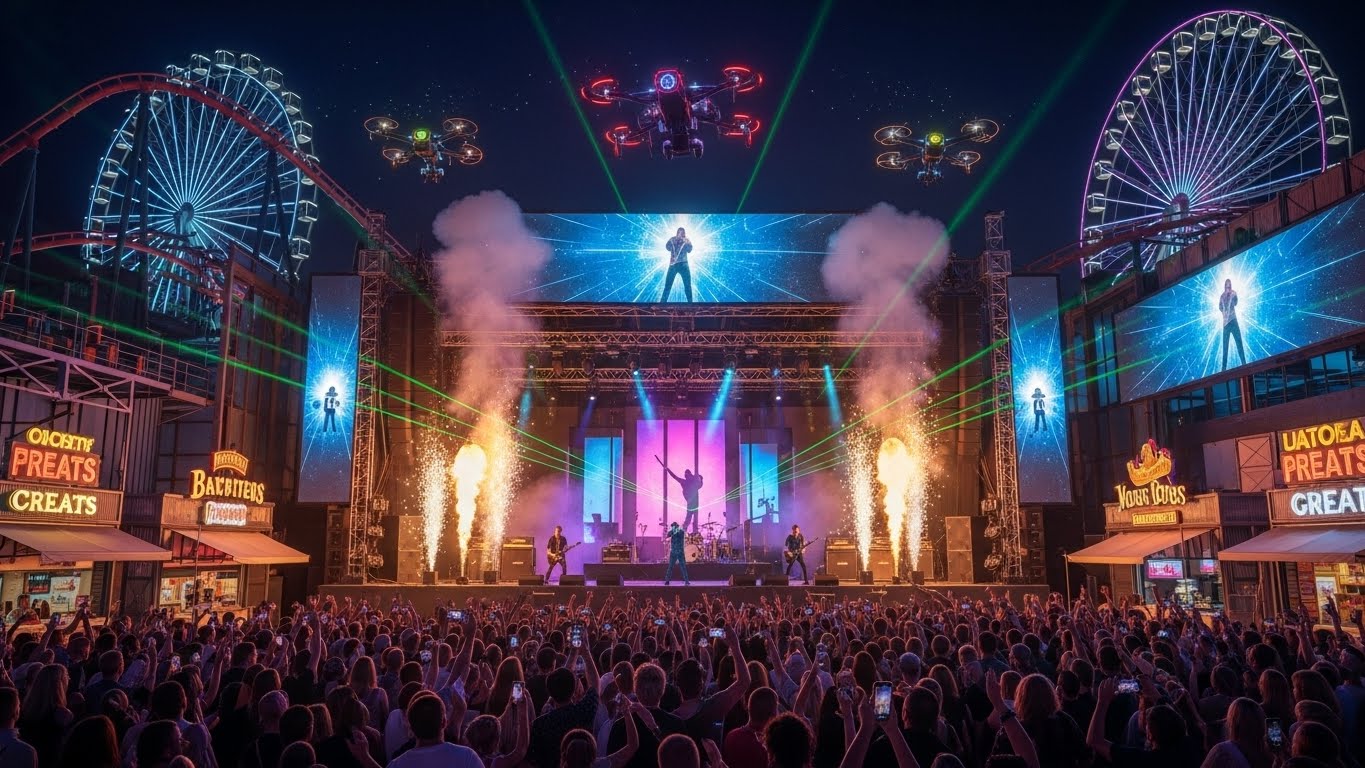
Live concerts and festivals remain beloved experiences, proving that even in the digital age, the energy of music is best felt together. Music continues to unite people, heal emotions, and celebrate life in all its rhythms.
The Power of Representation in Entertainment
Entertainment does more than amuse — it shapes how people see themselves and others. In recent years, there has been a growing demand for diversity and inclusion in film, television, music, and gaming. Audiences want stories that reflect real life, showcasing people of all races, genders, and backgrounds.
Representation matters because it validates identities and promotes understanding. When entertainment embraces inclusivity, it not only becomes richer but also more powerful. It teaches empathy, celebrates uniqueness, and breaks stereotypes that divide societies.
Entertainment has the ability to influence thought and inspire change. A single film, song, or story can challenge perceptions and open minds. That’s the true power of creative expression.
The Business Behind the Magic
Behind every movie, song, or game is a vast industry of professionals working to bring entertainment to life. Producers, writers, directors, designers, and marketers form the backbone of this global ecosystem. The entertainment industry generates billions of dollars each year, creating jobs and driving economies worldwide.
However, the digital revolution has also brought new challenges. Piracy, subscription fatigue, and content overload have forced companies to rethink their strategies. Success in modern entertainment depends on innovation, adaptability, and a deep understanding of audience behavior.
The future belongs to those who can blend creativity with technology — offering experiences that are not only engaging but also meaningful.
The Future of Entertainment: Beyond Reality
The next phase of entertainment promises to be more immersive than ever. Virtual Reality and Augmented Reality are already changing how people experience stories. Imagine watching a movie where you can step into the scene or playing a game where your surroundings blend with digital worlds.
Artificial Intelligence is also influencing entertainment by generating music, assisting writers, and creating personalized recommendations. The future could see AI-driven performances and fully interactive virtual shows.
But amid all the innovation, one thing will remain constant — the human desire for connection, emotion, and imagination. Technology may change the medium, but the essence of entertainment will always be storytelling.
Conclusion: The Everlasting Bond Between Humanity and Entertainment
Entertainment is the heartbeat of culture. It reflects who we are, what we believe, and what we dream of becoming. From the ancient storyteller’s voice to the glow of digital screens, entertainment continues to evolve with every generation.
It’s more than just a way to pass time — it’s how we share our humanity. It brings laughter in times of sadness, hope in times of despair, and inspiration in moments of doubt. The world of entertainment may keep changing, but its purpose remains timeless: to connect, to express, and to remind us that imagination knows no limits.