Entertainment has always been at the heart of human civilization. From the rhythmic beats of tribal drums to the immersive experiences of virtual reality, the ways in which people find joy, relaxation, and inspiration have transformed dramatically. Yet, one thing remains constant—our unending desire to be entertained. This blog explores the fascinating journey of entertainment, tracing its roots from ancient traditions to the digital innovations shaping our modern world.
The Roots of Entertainment in Ancient Civilizations
Long before screens and sound systems, entertainment began as a communal experience. Ancient societies used music, dance, and storytelling not only as leisure activities but as vital parts of their culture and spirituality. In ancient Egypt, performances were often dedicated to gods and pharaohs. Festivals filled the air with music and dance, creating a shared sense of celebration.
Similarly, in ancient Greece, theater emerged as a powerful medium of entertainment and education. Tragedies and comedies performed in open-air amphitheaters reflected human emotions, politics, and moral dilemmas. These performances were not only artistic expressions but also opportunities for people to connect and reflect on life’s complexities.
In India, entertainment took the form of dance dramas and epics. Stories from the Mahabharata and Ramayana were brought to life through music and movement. These performances taught moral values while providing a rich visual and emotional experience. The fusion of art, religion, and storytelling created an enduring cultural tradition that still influences entertainment today.
The Rise of Performative Arts and Public Entertainment
As civilizations expanded, so did their appetite for organized entertainment. The Roman Empire, for instance, introduced massive spectacles that dazzled crowds. Gladiatorial contests, chariot races, and theatrical performances filled grand arenas. Though many of these forms were brutal by modern standards, they reflected a growing fascination with visual spectacle and human drama.
During the Middle Ages, entertainment shifted towards more community-centered forms. Traveling minstrels, jesters, and troubadours entertained villages with music, humor, and tales of heroism. Festivals and fairs became occasions for people to escape daily hardships and find joy in shared laughter and song.
The Renaissance marked a golden era for art and performance. The rise of professional theaters in Europe transformed entertainment into an art form that could influence thought and emotion. Playwrights such as William Shakespeare turned theater into a mirror of society, portraying love, ambition, betrayal, and tragedy in ways that still resonate centuries later.
The Birth of Modern Entertainment
The 19th century ushered in revolutionary changes in how people experienced entertainment. The invention of photography and later the motion picture camera gave birth to cinema, forever transforming the landscape of storytelling. Early silent films captivated audiences with their novelty and creativity. As technology advanced, the addition of sound and color brought characters and stories to life like never before.
At the same time, music experienced its own transformation. The invention of the phonograph allowed people to listen to recorded music at home. This development made entertainment more personal and accessible. Jazz, blues, and classical recordings shaped cultural movements and provided the soundtrack to social change.
The 20th century also saw the birth of radio and television—two mediums that redefined entertainment for generations. Radio connected listeners across distances, bringing news, drama, and music into homes. Television followed, merging sound and visuals into a powerful storytelling tool. Sitcoms, news programs, and live broadcasts became staples of everyday life, influencing culture and conversation worldwide.
The Digital Revolution and the Internet Era
The arrival of the internet in the late 20th century changed everything once again. Entertainment became more interactive, immediate, and personal. People no longer needed to gather around a radio or television at a set time. They could choose what to watch, listen to, or read whenever they wanted.
Music streaming, online videos, and digital gaming exploded in popularity. Platforms allowed artists to reach global audiences without traditional barriers. Independent creators found ways to showcase their work, leading to a more diverse entertainment landscape. This democratization of content gave rise to new stars, trends, and communities that thrived entirely online.
Social media also became a central part of entertainment culture. People began to share, remix, and comment on content in real-time. Viral videos, memes, and influencers reshaped how people consumed media. The line between creator and audience blurred, creating an ongoing global conversation around entertainment.
Streaming services changed how films and television shows were distributed. Viewers could now binge-watch entire series in a single weekend, changing storytelling formats and audience expectations. The focus shifted from one-time broadcasts to continuous engagement. Entertainment became more personalized, algorithm-driven, and on-demand.
The Rise of Gaming and Interactive Media
One of the most significant developments in modern entertainment is the rise of video games. What began as simple pixelated screens in arcades has evolved into massive interactive worlds that rival blockbuster films in scope and storytelling. Gaming has become a cultural phenomenon that appeals to people of all ages.
The success of gaming lies in its interactivity. Unlike passive forms of entertainment, games invite players to make choices, solve challenges, and shape narratives. From online multiplayer battles to story-driven adventures, gaming offers a unique blend of engagement and creativity.
Esports has taken gaming to another level, transforming it into a global competitive arena. Professional players attract millions of fans, and tournaments fill stadiums. The industry now rivals traditional sports in revenue and viewership, proving that interactive entertainment is not just a pastime but a serious cultural force.
Virtual and augmented reality technologies are pushing this even further. They blur the boundaries between the digital and physical worlds, offering experiences that feel incredibly real. Whether it’s exploring ancient ruins in virtual space or attending a live concert in VR, the possibilities are endless.
The Cultural Impact of Modern Entertainment
Entertainment has always reflected the societies that create it. Today, it serves not only as an escape but also as a powerful form of expression and activism. Films, music, and digital media often address important social issues, influencing public opinion and sparking global movements.
Representation in entertainment has become a key focus. Audiences demand stories that reflect diverse backgrounds, identities, and experiences. This shift has led to more inclusive narratives that resonate with a wider audience. Entertainment now serves as a mirror for humanity’s progress and struggles.
Moreover, entertainment connects people across borders. A song produced in one part of the world can inspire someone thousands of miles away. Streaming platforms make international films, dramas, and music accessible to everyone, fostering cultural exchange and understanding.
The Future of Entertainment: What Lies Ahead
As technology continues to evolve, the future of entertainment looks both exciting and unpredictable. Artificial intelligence, virtual environments, and immersive storytelling are reshaping the creative landscape. Personalized entertainment experiences will become even more sophisticated, adapting to individual tastes and emotions in real time.
AI-generated music, scripts, and art are already entering mainstream production. This raises interesting questions about creativity and authorship. Can machines truly entertain us, or is the human touch irreplaceable? While technology enhances production, the emotional connection between creators and audiences will likely remain at the core of entertainment.
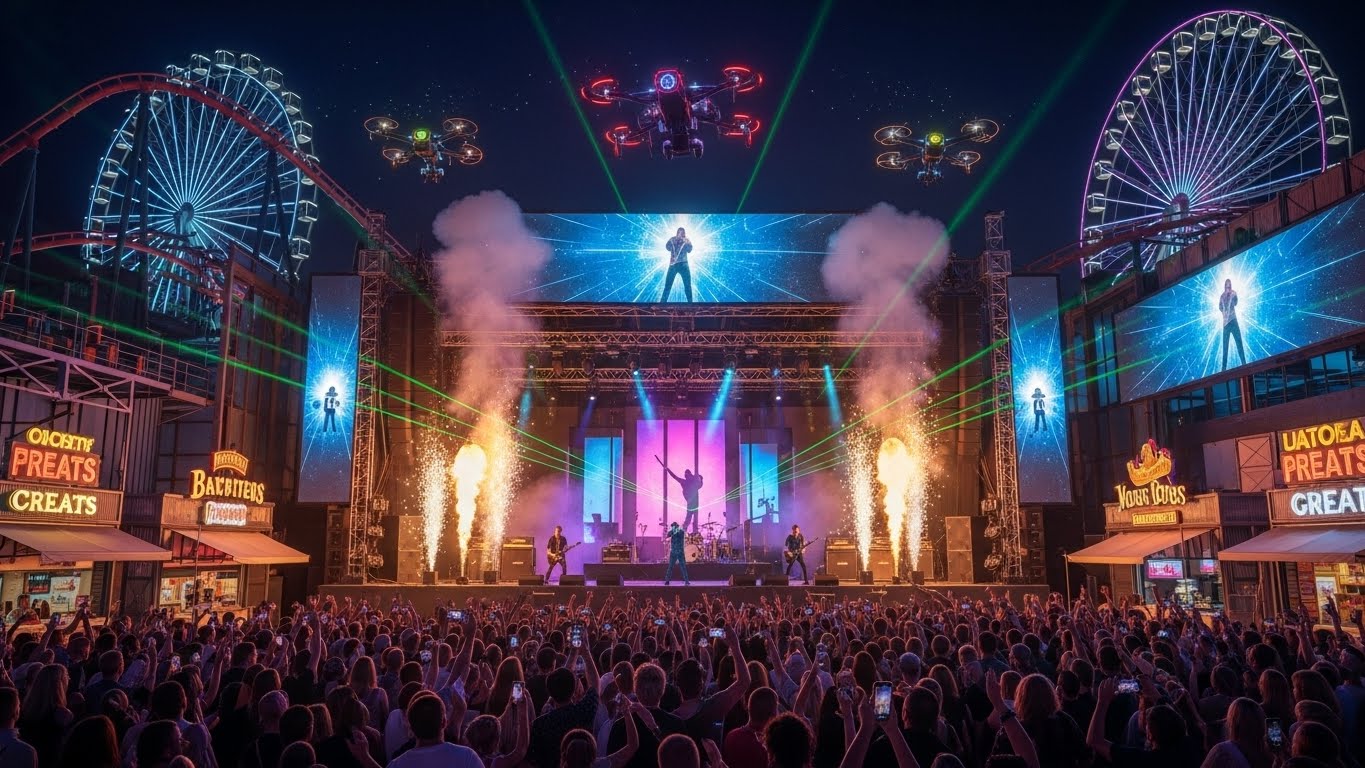
The blending of physical and digital experiences will also define the next era. Hybrid concerts, interactive films, and metaverse events will offer new forms of participation. Audiences won’t just watch—they will become part of the story. This participatory culture will redefine what it means to be entertained.
Sustainability and ethical consumption will play a greater role as well. With growing awareness of environmental and social issues, audiences will expect entertainment industries to be more responsible. Whether through eco-friendly film production or fair compensation for digital creators, the focus on ethical entertainment will continue to rise.
Conclusion: The Enduring Power of Entertainment
From the flicker of firelight dances in ancient times to the immersive glow of digital screens today, entertainment remains a fundamental part of human experience. It evolves with technology, reflects culture, and connects generations. More than just a way to pass time, entertainment shapes how we see ourselves and the world around us.
In every era, it has brought people together—through laughter, tears, rhythm, and imagination. As we look to the future, one thing is certain: no matter how much technology changes, our love for stories, music, and shared experiences will never fade. Entertainment, in all its forms, will continue to be the heartbeat of humanity, echoing our endless creativity and our timeless need for connection.
Word Count: ~1,530 words