Introduction
Entertainment has been an essential part of human civilization for centuries, evolving from oral storytelling and theatrical performances to cinema, television, and digital media. It reflects culture, inspires creativity, and provides a means of escape, education, and social connection. Today, entertainment spans a wide spectrum of platforms and mediums, influencing lifestyles, technology, and even the economy. This blog explores the history, current trends, technological innovations, and future of entertainment, highlighting its significance in contemporary society.
The History of Entertainment
Entertainment has existed since the earliest civilizations. Ancient humans engaged in storytelling, music, dance, and ritual performances to communicate ideas, celebrate traditions, and foster community bonds. Greek and Roman societies contributed greatly to structured entertainment through theater, gladiatorial games, and public spectacles, emphasizing both art and competition.
With the invention of the printing press, literature became a source of mass entertainment, enabling stories, poetry, and plays to reach larger audiences. Music and musical instruments evolved alongside cultural traditions, while visual arts captured imagination through paintings, sculptures, and exhibitions. By the late 19th and early 20th centuries, the introduction of motion pictures marked a revolution in entertainment, giving rise to the film industry as a dominant cultural force.
Cinema and Television: Transforming Entertainment
Cinema has had an unparalleled impact on the entertainment landscape. Silent films captivated audiences, and the advent of sound and color revolutionized storytelling. Iconic filmmakers explored themes of human emotion, conflict, and imagination, establishing cinema as both a form of art and popular culture. Hollywood became a global center of entertainment, influencing style, fashion, and societal norms worldwide.
Television further democratized entertainment, bringing music, sports, news, and drama into homes. It shaped family routines, influenced cultural trends, and became a powerful tool for storytelling. Over time, television programming diversified to include reality shows, educational content, talk shows, and serialized dramas, offering audiences unprecedented variety and accessibility.
Digital Media and Streaming: The New Era
The 21st century has ushered in a digital revolution that transformed entertainment consumption. Online platforms and streaming services allow instant access to movies, television shows, music, podcasts, and games on demand. Audiences can now curate their own experiences, choosing content according to personal preferences rather than broadcast schedules.
Streaming services have also changed production and distribution models. Independent creators can now reach global audiences without relying on traditional studios, democratizing creativity and expanding cultural representation. Viral videos, web series, and social media content have redefined entertainment, making it more interactive, immersive, and personalized.
Music and Live Performances
Music has remained a universal form of entertainment throughout history. From classical compositions to modern pop, rock, hip-hop, and electronic genres, music evokes emotion, drives social movements, and brings people together. Technological advancements have transformed music production, distribution, and consumption. Digital platforms allow artists to release music worldwide instantly, while streaming services provide listeners with curated playlists and personalized recommendations.
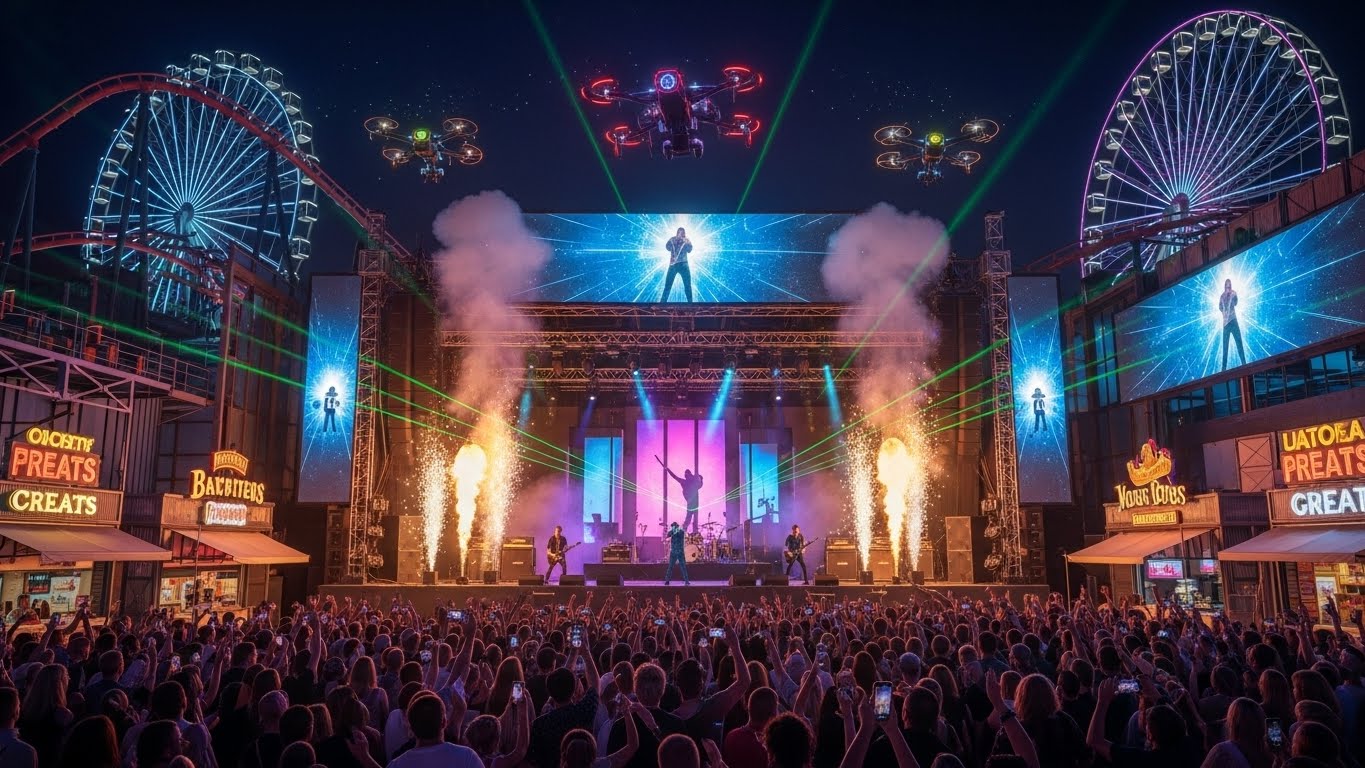
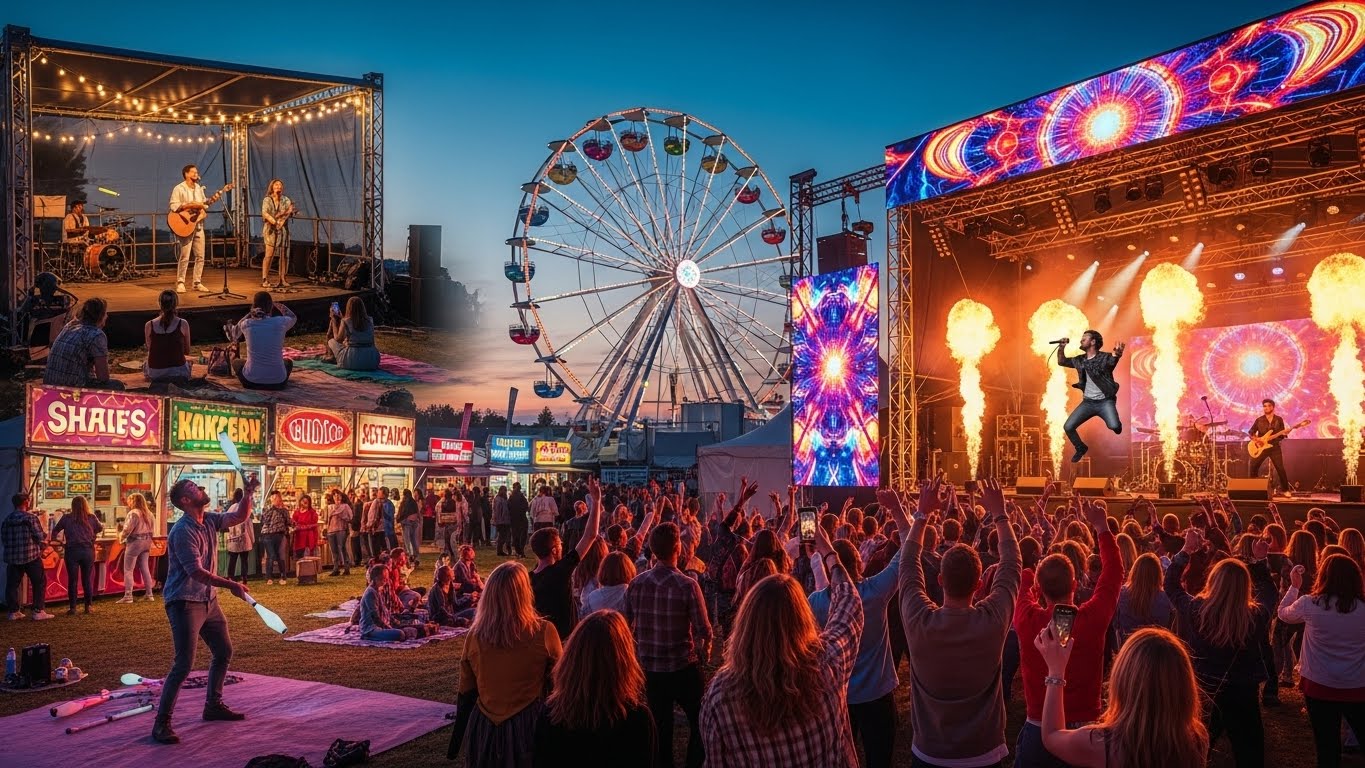
Live performances continue to be a cornerstone of entertainment, offering immersive experiences that digital platforms cannot fully replicate. Concerts, theater productions, and festivals combine artistic expression with communal engagement, creating memorable and emotionally charged moments for audiences.
Gaming as Entertainment
Gaming has emerged as a major form of entertainment in the digital era. Video games, mobile apps, and interactive experiences provide immersive worlds where players can explore, create, and compete. Gaming blends storytelling, visual artistry, and technology to deliver dynamic engagement that appeals to diverse audiences.
Esports, professional gaming tournaments, and streaming platforms have transformed gaming into both entertainment and sport, attracting millions of viewers worldwide. Gamification strategies, such as achievements, levels, and community events, enhance engagement and social interaction, making gaming a central component of modern entertainment culture.
Social Media and Interactive Entertainment
Social media has redefined entertainment by making it participatory and interactive. Platforms like video sharing, live streaming, and short-form content allow users to create, share, and engage with content in real time. Audiences no longer passively consume entertainment; they actively contribute, comment, and collaborate, blurring the line between creators and consumers.
Influencers and digital celebrities now shape trends, promote cultural phenomena, and drive engagement in ways that traditional media could not. Interactive entertainment through challenges, polls, and virtual events has created a dynamic ecosystem where social interaction and entertainment are intertwined.
The Psychological and Cultural Significance of Entertainment
Entertainment is not just a leisure activity; it plays a vital role in mental health and social development. Engaging in creative or immersive entertainment allows individuals to relax, reduce stress, and experience joy. It provides a means of exploring emotions, ideas, and perspectives, fostering empathy and understanding across cultures.
Cultural entertainment reflects and shapes societal values. Movies, music, literature, and digital media often address social issues, challenge norms, and inspire change. Entertainment can serve as a mirror to society, highlighting achievements, conflicts, and aspirations while fostering dialogue and cultural cohesion.
Economic Impact of Entertainment
The entertainment industry is a major economic driver, generating billions in revenue globally. Film studios, music labels, gaming companies, and digital platforms support millions of jobs across production, marketing, technology, and distribution. Live events and festivals contribute to tourism, hospitality, and related sectors, while merchandise and licensing provide additional revenue streams.
The digital transformation of entertainment has expanded opportunities for independent creators and entrepreneurs. Online platforms allow artists, filmmakers, musicians, and game developers to reach global audiences without relying on traditional gatekeepers. This shift has democratized creativity, making entertainment more accessible and economically significant.
Technological Innovations Shaping the Future
Emerging technologies continue to redefine entertainment experiences. Virtual reality and augmented reality create immersive environments that blend real and digital worlds. Artificial intelligence is being used to personalize content, recommend experiences, and even generate creative works. Interactive storytelling and adaptive gameplay offer new levels of engagement, allowing audiences to shape narratives and outcomes.
Cloud-based platforms and 5G connectivity are enhancing accessibility, enabling high-quality streaming and gaming on a wide range of devices. The convergence of entertainment, technology, and social interaction points to a future where experiences are increasingly immersive, personalized, and interconnected.
Challenges and Ethical Considerations
While entertainment offers immense value, it also poses challenges. Excessive screen time, digital addiction, and exposure to inappropriate content are growing concerns. The industry faces ethical questions around representation, privacy, and commercialization, particularly in digital and interactive media.
Regulation, parental guidance, and responsible content creation are critical to maintaining a balance between innovation and well-being. The industry must navigate these challenges while continuing to provide meaningful and engaging experiences for audiences worldwide.
Conclusion
Entertainment is a reflection of human creativity, culture, and innovation. From ancient storytelling to digital media, it has evolved into a multifaceted industry that engages, inspires, and connects people globally. Modern entertainment encompasses cinema, music, gaming, social media, and live performances, each contributing to cultural expression and social cohesion.
As technology continues to advance, entertainment will become even more immersive, interactive, and personalized. Its economic, cultural, and psychological impact will continue to grow, shaping the way people live, interact, and experience the world. Entertainment is not merely a pastime; it is a dynamic force that reflects our humanity, fuels creativity, and brings people together in ways that transcend borders and generations.