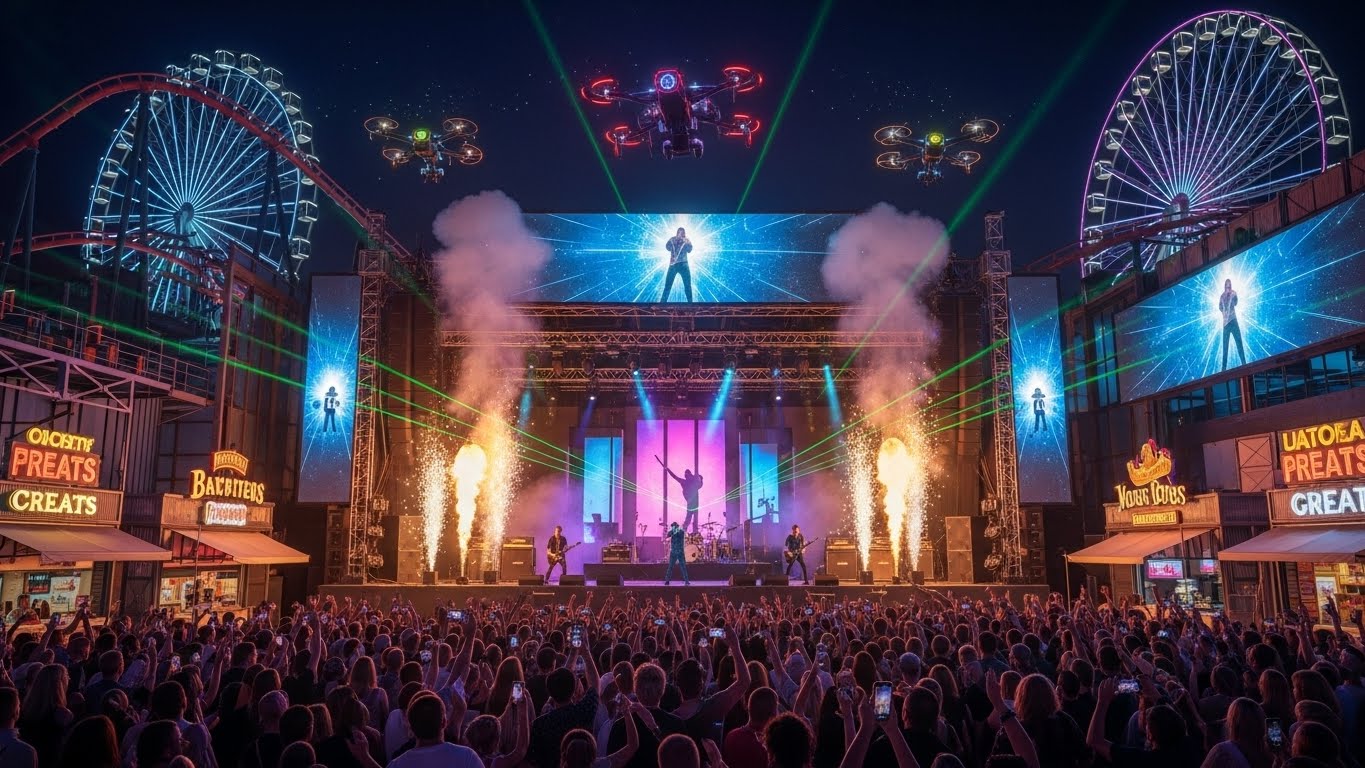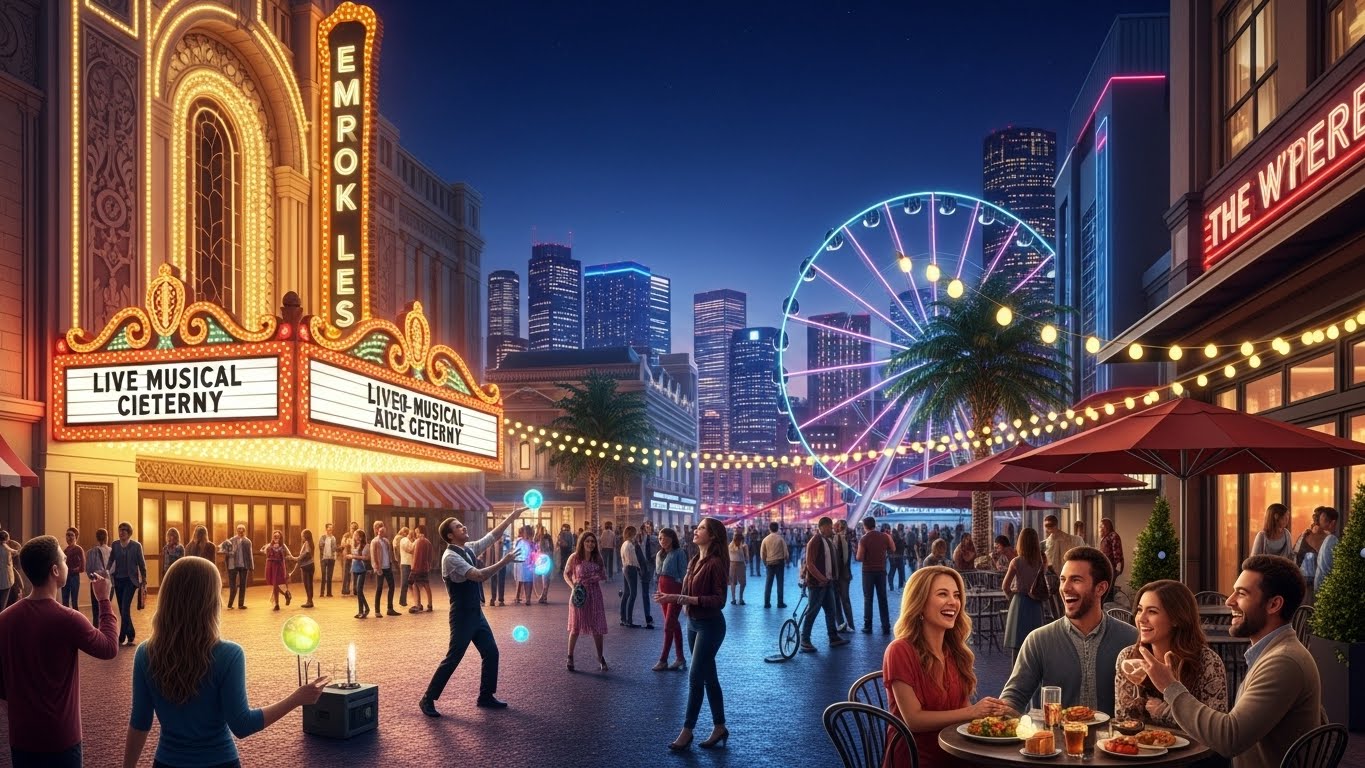

Entertainment has always been an essential part of human culture, offering relaxation, excitement, and a sense of connection. From the early days of storytelling around campfires to the modern age of digital content, entertainment has continuously evolved. However, with the rapid advancements in technology and shifts in consumer preferences, the landscape of entertainment is undergoing dramatic changes. The rise of digital platforms, social media, and immersive technologies has created a new era in entertainment—one that is more accessible, personalized, and interactive than ever before.
This blog post explores the current state of entertainment in the digital age, the trends that are shaping the industry, and the future of how we engage with the content that surrounds us. Whether it’s watching a movie, playing a video game, listening to music, or attending live performances, the way we experience entertainment is rapidly changing. Join us as we take a closer look at the forces driving these changes and what the future holds.
The Digital Transformation of Entertainment
In the past few decades, the way people consume entertainment has been completely transformed. The digital revolution has reshaped almost every aspect of the entertainment industry, from how content is created to how it’s distributed and consumed. Traditional forms of entertainment, such as television broadcasts and physical media (like DVDs and CDs), have gradually given way to digital streaming platforms and online services.
With the advent of services like Netflix, Amazon Prime Video, Hulu, and Disney+, on-demand streaming has become the dominant method for watching TV shows and movies. The ability to stream content anytime and anywhere has completely changed how people consume media. Viewers are no longer bound by scheduled programming or the need to own physical copies of movies and shows. This shift has resulted in a phenomenon known as “binge-watching,” where audiences consume entire seasons of television shows in a single sitting.
The rise of streaming platforms has also impacted the music industry. Platforms like Spotify, Apple Music, and YouTube have completely revolutionized how we listen to music. Gone are the days when people had to buy physical albums or wait for their favorite songs to come on the radio. Today, millions of songs are available at the touch of a button, offering unprecedented access to a vast library of music from all genres and eras.
Beyond movies and music, digital transformation has also affected other entertainment sectors, including video games, live events, and sports. Gaming, in particular, has seen explosive growth in the digital space. Online multiplayer games and mobile apps have made gaming more accessible, while esports has emerged as a global competitive phenomenon. Likewise, live events have gone virtual, with concerts, theater performances, and even sports games being streamed to audiences around the world.
Social Media: A New Era of Interactive Entertainment
Social media has played a crucial role in the evolution of entertainment, especially in terms of how people interact with content. In the past, entertainment consumption was a largely passive activity—people would sit down to watch a show, listen to music, or play a game. Today, however, social media platforms like Instagram, TikTok, Twitter, and YouTube have transformed entertainment into a two-way street.
Social media not only allows audiences to interact with content but also gives them a direct line to their favorite creators, influencers, and celebrities. This interactivity has created new opportunities for engagement and connection. Fans can comment on, share, and create content related to their favorite shows, movies, musicians, or influencers. This democratization of content creation means that anyone with a smartphone or computer can become an entertainment creator, whether they’re sharing dance videos on TikTok, streaming video games on Twitch, or creating viral memes on Instagram.
The rise of influencer culture has been another major shift. Social media influencers, who often start with a small following but gain widespread popularity through their engaging personalities or specialized content, have become a central part of the entertainment ecosystem. These influencers can shape trends, promote brands, and build loyal fanbases that rival those of traditional celebrities. With their ability to directly engage with audiences, influencers have blurred the lines between entertainment, marketing, and personal brand building.
Moreover, social media platforms have become important distribution channels for entertainment content. Musicians, filmmakers, and content creators now use platforms like YouTube and Instagram to release music videos, trailers, and sneak peeks, allowing them to directly connect with their audience and generate buzz before a major release. This shift in how content is shared has leveled the playing field, giving independent creators the ability to reach global audiences without relying on traditional distribution channels.
The Impact of Streaming Services on Traditional Media
Streaming platforms have had a profound impact on traditional media outlets, especially television networks and cable services. The rise of on-demand streaming services has led to the decline of cable television subscriptions, a phenomenon often referred to as “cord-cutting.” Consumers, especially younger generations, are increasingly turning to streaming services for their entertainment needs, and traditional television networks have had to adapt.
The success of services like Netflix and Disney+ has prompted traditional TV networks and film studios to launch their own streaming platforms. For example, HBO Max, Peacock, and Paramount+ are all examples of legacy media companies branching out into the streaming market to compete with digital-first platforms. These services provide viewers with on-demand access to a large catalog of content, allowing them to choose what to watch and when to watch it.
The shift to streaming has also had an impact on how television and film content is produced. In the past, TV shows and movies were made for scheduled airings on networks or for theatrical releases. Today, streaming services have a different approach, often producing entire seasons of shows at once and releasing them all together. This allows viewers to consume content at their own pace, rather than waiting week by week for new episodes to air. It also means that creators have more freedom to experiment with formats, genres, and storytelling techniques, as the pressure to conform to network schedules or movie theater release windows has diminished.
Additionally, the demand for exclusive content on streaming platforms has led to the rise of “original programming.” Netflix’s Stranger Things, Amazon Prime’s The Boys, and Apple TV’s Ted Lasso are just a few examples of original content that has driven subscriptions to streaming services. This has created new opportunities for filmmakers, writers, and producers to create content outside of the traditional studio system, often with more creative freedom.
The Rise of Interactive and Immersive Entertainment
As technology continues to evolve, new forms of entertainment are emerging that allow for a more interactive and immersive experience. Video games, which have long been an interactive form of entertainment, are now more sophisticated than ever, offering players incredibly detailed virtual worlds and narratives that rival the quality of traditional films. The rise of virtual reality (VR) and augmented reality (AR) is pushing the boundaries even further, offering new ways to experience and engage with content.
Virtual reality, in particular, has become a significant player in the entertainment world. VR allows users to immerse themselves in digital environments and interact with them in real time, creating a fully immersive experience. VR gaming is growing rapidly, with titles like Beat Saber and Half-Life: Alyx offering a more interactive and physically engaging way to play games. Beyond gaming, VR is also being used for virtual concerts, live events, and experiences like virtual tourism, where users can explore far-off destinations without leaving their homes.
Augmented reality, on the other hand, blends the physical world with digital content, allowing users to interact with virtual elements in real-world environments. AR has gained significant traction in the gaming world, with games like Pokémon Go taking advantage of mobile devices’ cameras and sensors to create interactive experiences in the real world. In the entertainment industry, AR is also being explored as a way to enhance live performances, allowing audiences to experience digital elements during concerts, theater shows, and sporting events.
These immersive technologies are shaping the future of entertainment, providing audiences with experiences that are more engaging, interactive, and personalized. As VR and AR become more accessible, it is likely that these technologies will continue to evolve and transform the way we consume entertainment.
The Future of Entertainment: Personalization and Artificial Intelligence
Looking ahead, the future of entertainment will be defined by greater personalization and the increasing use of artificial intelligence (AI). AI has already begun to play a role in content creation and curation, with platforms like Netflix and Spotify using algorithms to recommend shows, movies, and music based on users’ preferences. This level of personalization makes it easier for audiences to discover new content that aligns with their tastes and interests.
In the future, AI could play an even bigger role in creating custom-made entertainment experiences. Imagine watching a movie where the storyline evolves based on your choices, or playing a video game where the game world adapts to your unique playstyle. With advancements in machine learning and AI, the entertainment industry could offer even more personalized and dynamic content.
Moreover, the blending of artificial intelligence with immersive technologies like VR and AR could lead to new forms of interactive storytelling. AI-driven characters and environments could offer a more responsive and engaging experience, creating a level of interaction that goes beyond anything we’ve seen in traditional entertainment formats.
Conclusion
The entertainment industry is in the midst of a massive transformation. Technology has changed the way content is created, distributed, and consumed, making entertainment more accessible and personalized than ever before. Streaming platforms, social media, immersive technologies like VR and AR, and AI-driven content creation are all shaping the future of entertainment.
As we look ahead, it’s clear that the entertainment landscape will continue to evolve in exciting and unpredictable ways. The future promises even more interactive, personalized, and immersive experiences that will keep audiences engaged and connected to the content they love. Whether it’s through digital platforms, new technologies, or innovative forms of storytelling, the entertainment industry will continue to be a vibrant and dynamic part of our lives.