
Introduction: The Ever-Changing Landscape of Entertainment
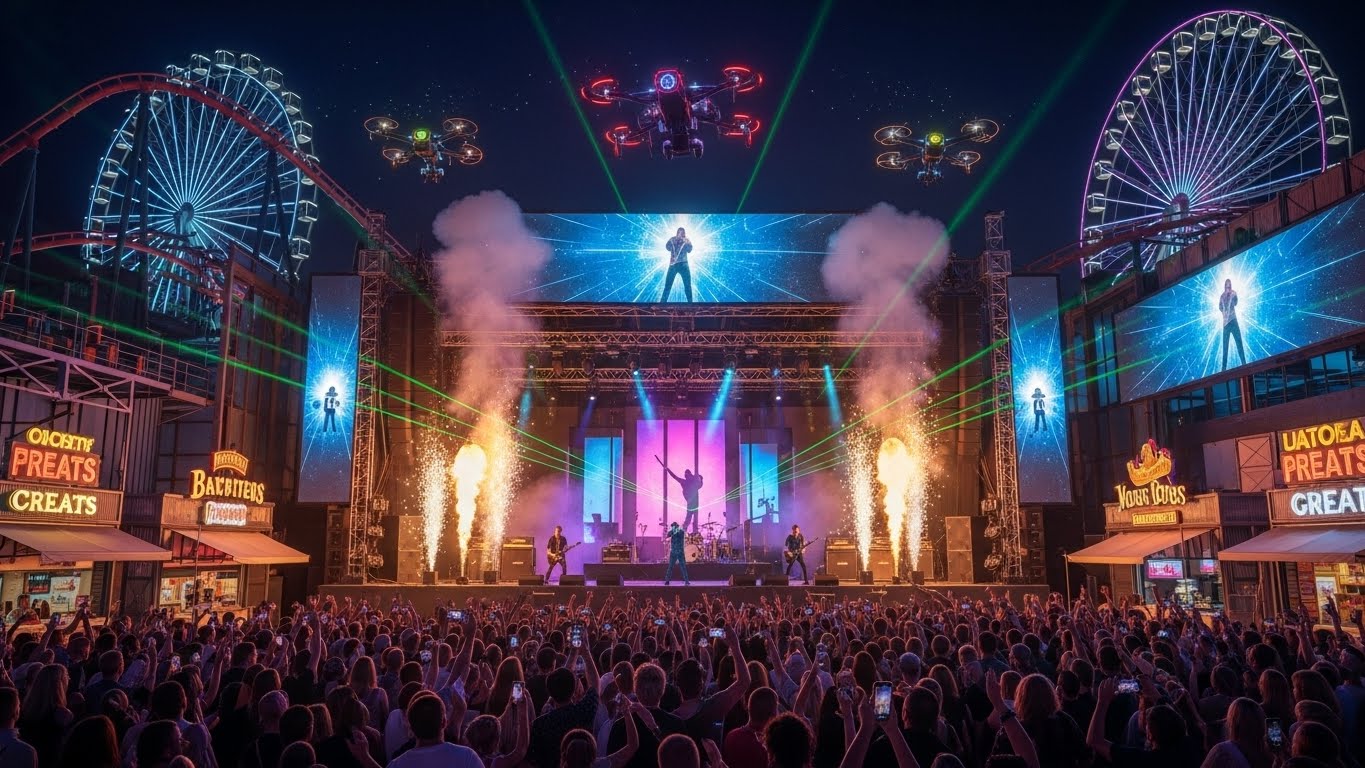
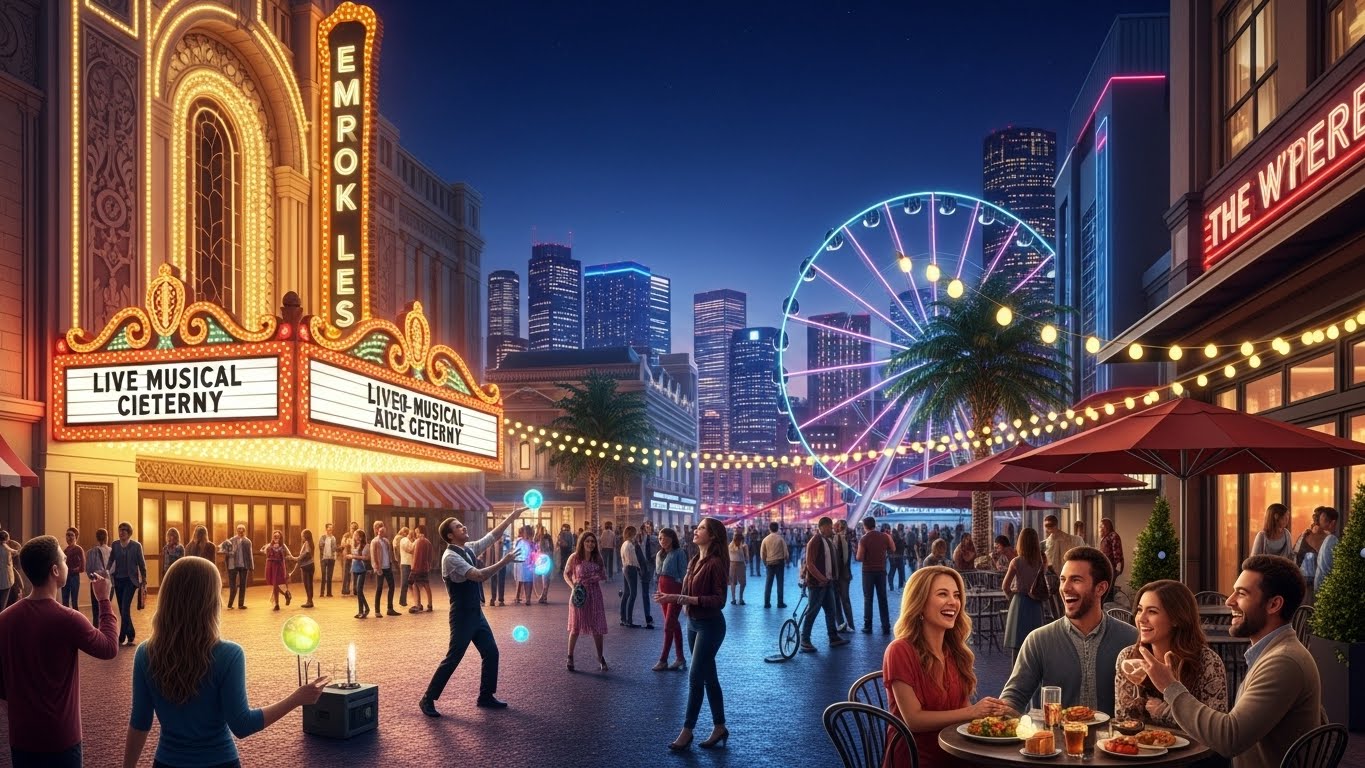
Entertainment has been an essential part of human life for centuries, a way for people to relax, escape, and connect. From the humble origins of storytelling around a fire to the high-tech digital experiences of today, entertainment has always reflected cultural trends, technological advancements, and changing social norms. In its most basic form, entertainment allows individuals and groups to break free from the monotony of daily life, offering a momentary escape or a chance to experience something new. Over time, it has evolved in ways that have transformed how we live, interact, and experience the world. In this blog, we explore the rich history and transformation of entertainment, tracing its roots from ancient forms to the modern-day digital age.
The Beginnings of Entertainment: Oral Tradition and Rituals
Long before television, movies, or the internet, entertainment began in the form of oral storytelling and community-based activities. Ancient civilizations relied heavily on spoken words, myths, and rituals to pass down knowledge, teach moral lessons, and entertain. Stories often revolved around gods, heroes, and the natural world, conveying lessons about the human experience. In societies such as those in Ancient Greece, Rome, and Egypt, storytellers, bards, and poets played crucial roles in preserving culture and history.
Public gatherings and rituals were also significant forms of entertainment. Festivals, religious ceremonies, and feasts provided opportunities for music, dance, and performance. The Greeks, for example, created the foundations for modern theater, with plays performed in large outdoor amphitheaters. These early performances were often tragedies or comedies, addressing human nature, politics, and the gods, and providing a collective cultural experience that brought communities together. These ancient forms of entertainment were not just for enjoyment but also for communal bonding, socialization, and reflection.
The Middle Ages: Entertainment as a Social Experience
During the Middle Ages, entertainment became more localized and was often centered around the church or royal courts. Performances such as morality plays, minstrels singing ballads, and jesters performing for the nobility were common. The church also played a large role in shaping what was considered appropriate entertainment, often dictating the morality and values expressed in public performances. For instance, in medieval Europe, morality plays depicted stories of virtue, sin, and redemption, aligning with the Christian worldview.
In addition to religious and courtly entertainment, festivals remained an important aspect of medieval life. These events, often connected to agricultural cycles or religious holidays, included music, dance, feasting, and sometimes theatrical performances. The medieval period also saw the early development of literature, with epic tales like Beowulf being passed down orally and later written down for future generations to enjoy. These narratives, like those of the Arthurian legends, became central to the cultural fabric of Europe, offering entertainment, heroism, and an idealized vision of society.
The Renaissance and the Birth of Public Theater
The Renaissance period (14th to 17th centuries) marked a significant shift in the world of entertainment, particularly in Europe. This era, known for its revival of classical learning and the arts, also saw the emergence of public theaters and more sophisticated forms of entertainment. In England, playwrights like William Shakespeare, Christopher Marlowe, and Ben Jonson helped elevate theater to new heights, producing plays that were both entertaining and intellectually stimulating.
Shakespeare’s works, in particular, transcended mere entertainment, blending elements of tragedy, comedy, and history to explore complex human emotions, politics, and social dynamics. The Globe Theatre, where many of Shakespeare’s plays were performed, became a cultural landmark, attracting audiences from all walks of life. The public theater, accessible to both the wealthy and the working class, democratized entertainment and made it a more communal experience.
The Renaissance also saw the rise of operas and ballets in Italy and France, forms of entertainment that combined music, dance, and drama in elaborate productions. These performances, often staged in royal courts or grand theaters, were a way for aristocrats to showcase their wealth and taste, while also providing a form of refined entertainment for the public.
The Age of Enlightenment: Entertainment and Intellectual Pursuits
During the 18th century, the Age of Enlightenment brought about a growing interest in intellectual pursuits, and entertainment became intertwined with education, socialization, and political discourse. In this period, salons and coffeehouses became popular venues for conversation, where intellectuals, writers, and artists would gather to discuss new ideas, literature, and current events. While these gatherings were often intellectual, they also served as a form of social entertainment, offering a space for individuals to engage with one another in a stimulating environment.
Public lectures, philosophical debates, and the reading of novels became prominent forms of entertainment during this period. Authors like Voltaire, Rousseau, and Goethe wrote works that challenged societal norms, encouraging people to think critically about religion, politics, and human rights. The Enlightenment period helped lay the foundation for modern entertainment, as it moved from being purely about diversion to also encompassing intellectual engagement and cultural enrichment.
The Industrial Revolution: The Birth of Mass Entertainment
With the advent of the Industrial Revolution in the 19th century, entertainment began to change in profound ways. The rise of cities and mass production allowed for new forms of entertainment to emerge, including the development of mass media. This was the era when public amusement parks, such as those in Paris and London, began to flourish, offering entertainment that combined thrill rides, performances, and social interaction.
In addition to these new public spaces, the Industrial Revolution saw the rise of the modern theater, where plays and musicals began to attract larger and more diverse audiences. The invention of the printing press also played a pivotal role in the spread of entertainment. Newspapers, magazines, and books became widely accessible, and the idea of entertainment as a form of mass consumption took root. The popularity of novels, poetry, and short stories flourished during this time, with authors like Charles Dickens, Leo Tolstoy, and Mark Twain producing works that entertained and educated readers.
One of the most significant innovations of the Industrial Revolution was the creation of film and photography. The invention of motion pictures in the late 19th century by pioneers like Thomas Edison and the Lumière brothers marked the beginning of a new era in entertainment. Silent films began to captivate audiences, offering them a window into new worlds through visual storytelling.
The 20th Century: Radio, Television, and the Golden Age of Hollywood
The 20th century was a defining era for entertainment, with technological innovations radically transforming how people consumed media. The rise of radio in the 1920s brought entertainment into people’s homes in the form of music, news, drama, and comedy. Radio programs became a staple of daily life, offering everything from news broadcasts to serialized dramas, and it allowed advertisers to reach mass audiences in ways never before possible.
The advent of television in the mid-20th century revolutionized entertainment once again. By the 1950s, television became a household fixture in much of the Western world, and it fundamentally changed how people spent their leisure time. Iconic television shows, such as I Love Lucy, The Twilight Zone, and The Ed Sullivan Show, became cultural touchstones. Television provided a platform for celebrities to become household names, and it gave audiences a shared experience, with everyone watching the same programs at the same time.
The film industry, particularly in Hollywood, reached its peak during this era. The Golden Age of Hollywood brought with it legendary stars like Marilyn Monroe, Humphrey Bogart, and James Dean, as well as films that became timeless classics, such as Gone with the Wind and Casablanca. Movies, which had started as short, experimental reels, now had the power to shape culture and influence society on a global scale.
The Digital Revolution: Streaming, Social Media, and the New Entertainment Landscape
The rise of the internet and digital technology in the late 20th and early 21st centuries marked the latest and most profound shift in the entertainment industry. The digital revolution made entertainment more accessible than ever before, with streaming platforms like Netflix, YouTube, and Spotify giving people access to a seemingly endless library of content.
In addition to streaming, the growth of social media platforms like Facebook, Instagram, and TikTok has given rise to a new form of entertainment—user-generated content. Ordinary people can now create and share videos, photos, and memes that entertain and engage audiences globally. The democratization of entertainment through social media and content-sharing platforms has opened up new possibilities for both creators and consumers, allowing for a greater variety of voices and ideas to be heard.
Gaming has also emerged as a major form of entertainment, with video games becoming more immersive and interactive. Online multiplayer games, virtual reality, and esports have taken gaming to new heights, turning it into a spectator sport and a career for some players. Esports tournaments are now watched by millions around the world, with players competing for large prizes and the adoration of fans.
Conclusion: The Future of Entertainment
As we look to the future, it’s clear that entertainment will continue to evolve. Technology will undoubtedly drive the next wave of innovations, making experiences even more immersive, interactive, and personalized. Virtual reality, augmented reality, and artificial intelligence are just a few of the tools that will reshape how we engage with entertainment in the years to come. However, one thing remains constant: entertainment will always be a vital part of the human experience, serving as a source of joy, connection, and reflection.
As we move forward, the boundaries of what we consider entertainment will continue to expand, blending the lines between work, play, and education. Whether through traditional forms like theater and film or new technologies like VR gaming and digital art, the entertainment industry will undoubtedly continue to captivate our imaginations, shaping culture and society for generations to come.