
Entertainment has always been a central part of human life. It reflects culture, sparks imagination, and connects people across generations. From storytelling around fires in ancient civilizations to modern streaming platforms and immersive experiences, entertainment has evolved alongside humanity. It not only provides amusement but also influences culture, shapes social norms, and drives technological innovation. This blog explores the history of entertainment, its modern forms, its cultural and economic significance, technological impact, and future trends.
The Origins of Entertainment
Entertainment is as old as humanity itself. In early societies, storytelling, music, dance, and theatrical performances were the primary forms of amusement. Ancient civilizations such as Egypt, Greece, and Rome had elaborate ceremonies, plays, and festivals to entertain communities. Storytelling conveyed traditions, morals, and cultural values, often passed orally from generation to generation.
The Greeks introduced drama and theater as both entertainment and education, creating a legacy that influenced centuries of performance art. In Rome, public spectacles such as gladiator games and chariot races entertained masses and reinforced social structures. These early forms of entertainment were deeply intertwined with culture, religion, and community life.
The Evolution of Entertainment
Over the centuries, entertainment has continuously evolved. The invention of printing allowed literature and novels to become widely accessible, transforming entertainment from oral and visual forms into written mediums. Music and performing arts flourished with the development of instruments, orchestras, and organized theater.
The 20th century marked a revolutionary shift with the introduction of cinema, radio, and television. Movies brought stories to life visually, radio provided instant access to music and news, and television transformed entertainment into a household experience. Each technological advancement broadened the reach and accessibility of entertainment.
Modern Forms of Entertainment
Today, entertainment exists in numerous forms, catering to diverse tastes, interests, and lifestyles.
Film and Television
Movies and television remain powerful mediums, combining storytelling, visual art, and music. Cinema offers immersive experiences through visuals, sound, and narrative, while television delivers entertainment directly to homes. Popular streaming services have further revolutionized access, allowing audiences to watch content anytime, anywhere.
Music and Performing Arts
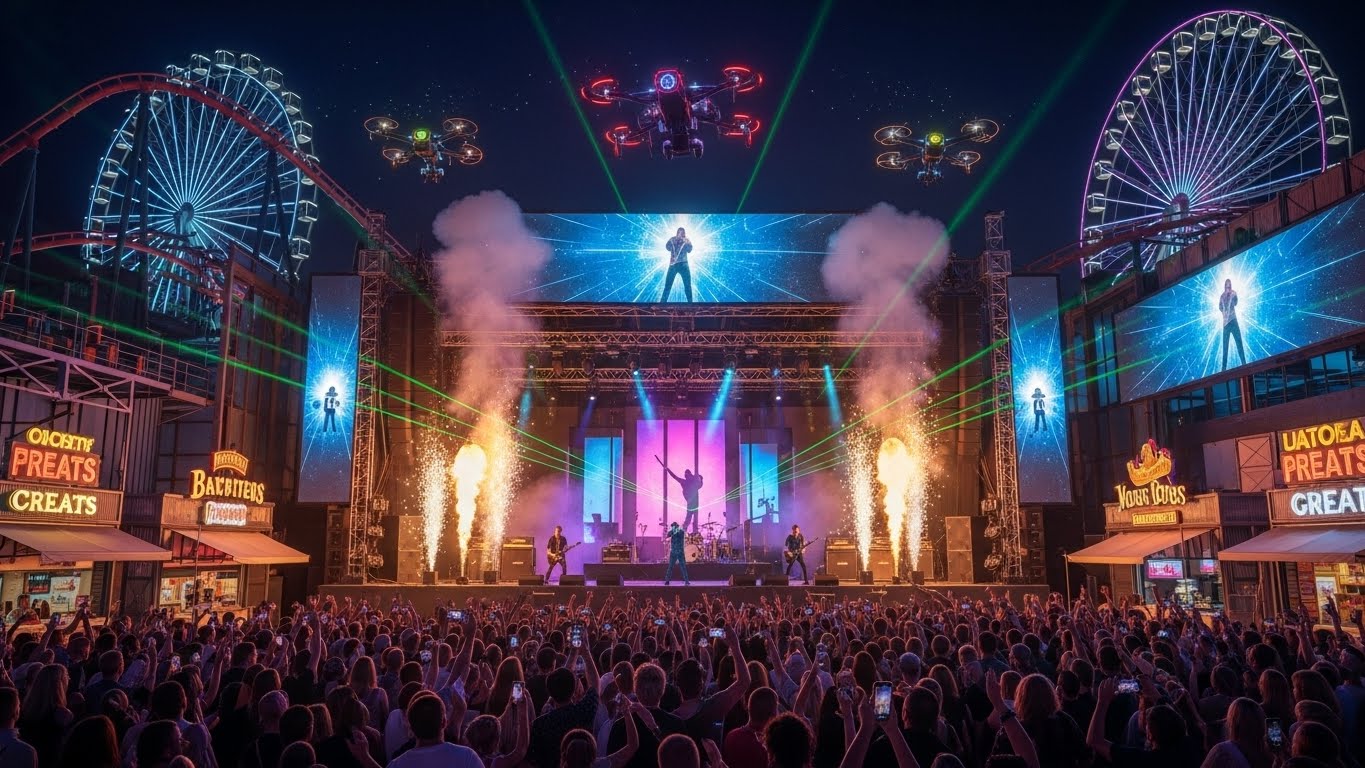
Music continues to be a universal form of entertainment. From live concerts to recorded albums, music transcends language and culture. Performing arts, including dance, theater, and live shows, create shared experiences that engage audiences emotionally and intellectually.
Gaming and Interactive Entertainment
Gaming has emerged as a dominant form of modern entertainment. Video games, virtual reality experiences, and interactive simulations offer immersive and participatory experiences. Gaming combines storytelling, strategy, and technology to engage players on multiple levels, often creating global communities.
Literature and Digital Content
Books, digital publications, blogs, and podcasts provide entertainment through information, storytelling, and creativity. Digital platforms have expanded accessibility, allowing content creators to reach global audiences without traditional barriers.
Social Media and Online Platforms
Social media has redefined entertainment, blending user-generated content, live streaming, and interactive experiences. Platforms allow creators to engage directly with audiences, transforming passive consumption into interactive participation. Memes, viral videos, and challenges have become contemporary forms of entertainment that reflect popular culture.
The Cultural Significance of Entertainment
Entertainment reflects and shapes culture. It conveys societal values, addresses social issues, and influences public opinion. Films, music, literature, and games often explore themes of identity, morality, and human experience, allowing audiences to engage with diverse perspectives.
Cultural events, festivals, and performances foster community engagement and reinforce traditions. Entertainment also bridges generational gaps, connecting people through shared experiences and storytelling. Through entertainment, societies preserve heritage, celebrate creativity, and create collective memories.
Economic Impact of Entertainment
The entertainment industry is a major global economic force. Film production, music sales, gaming, theater, and live events generate significant revenue and employment opportunities. Streaming services, digital platforms, and merchandise sales further contribute to economic growth.
Entertainment drives tourism, attracts investment, and stimulates technological development. Local economies benefit from festivals, concerts, and cultural events, while global industries create supply chains, marketing opportunities, and creative jobs. The economic influence of entertainment extends beyond its direct revenue, shaping technology, media, and communication industries.
Technology and Entertainment
Technological advancements have transformed entertainment in unprecedented ways. High-definition visuals, immersive audio, and computer-generated imagery enhance the cinematic experience. Streaming technology allows on-demand access, making content more convenient and personalized.
Virtual reality and augmented reality create interactive experiences, enabling audiences to engage with entertainment in ways previously unimaginable. Gaming technology continues to push boundaries, with realistic graphics, complex narratives, and social interactivity creating immersive worlds.
Artificial intelligence and data analytics also play roles in entertainment, from personalized recommendations to content creation tools. Technology enhances creativity, expands access, and transforms the way audiences experience entertainment.
Social Interaction and Entertainment
Entertainment serves as a medium for social interaction. Watching films, attending concerts, or participating in gaming communities fosters connections among individuals. Shared experiences, whether online or offline, build friendships, communities, and cultural identity.
Online platforms and social media have amplified these interactions, allowing global engagement and real-time communication. Fans can connect with creators, participate in discussions, and share experiences, making entertainment both a personal and social activity.
Challenges in the Entertainment Industry
The entertainment industry faces several challenges. Piracy, copyright infringement, and illegal distribution threaten creative revenue. Content saturation and competition for attention make it challenging for creators to reach audiences effectively.
Social media and digital platforms also introduce challenges related to misinformation, inappropriate content, and online harassment. Balancing creativity, accessibility, and ethical responsibility is essential to maintaining the integrity and value of entertainment.
Economic inequality and accessibility remain concerns. Not everyone has equal access to entertainment platforms, technologies, or live events. Addressing these disparities is essential for creating inclusive and diverse entertainment experiences.
The Future of Entertainment
The future of entertainment promises continued innovation and transformation. Virtual reality, augmented reality, and mixed reality will create immersive experiences that blur the line between audience and participant. Artificial intelligence may generate dynamic content, adapting stories, music, and games to individual preferences.
Interactive and participatory entertainment will continue to grow, with audiences engaging in co-creation, streaming, and social sharing. Digital platforms and mobile technologies will expand accessibility, making entertainment a ubiquitous part of daily life.
Globalization and cross-cultural exchange will influence content creation, blending traditions, languages, and storytelling techniques. Entertainment will remain a platform for cultural dialogue, creativity, and social connection, reflecting the evolving nature of human society.
Conclusion
Entertainment is an essential aspect of human life. It informs, inspires, and connects people, shaping culture and reflecting societal values. From traditional storytelling to digital platforms, entertainment has evolved with technology, creativity, and human imagination.
It drives economic growth, fosters social interaction, and provides a medium for cultural expression. Technological advancements have transformed accessibility, immersion, and engagement, creating new possibilities for creators and audiences alike.
Despite challenges such as content regulation, piracy, and accessibility issues, the entertainment industry continues to thrive and innovate. Its role in shaping society, culture, and human experience is profound and enduring.
As entertainment continues to evolve, it will remain a central part of human life—a reflection of our creativity, our values, and our desire for connection and amusement. The future promises exciting innovations that will further enrich experiences, engage audiences, and bridge cultures, ensuring that entertainment continues to inspire and connect humanity for generations to come.