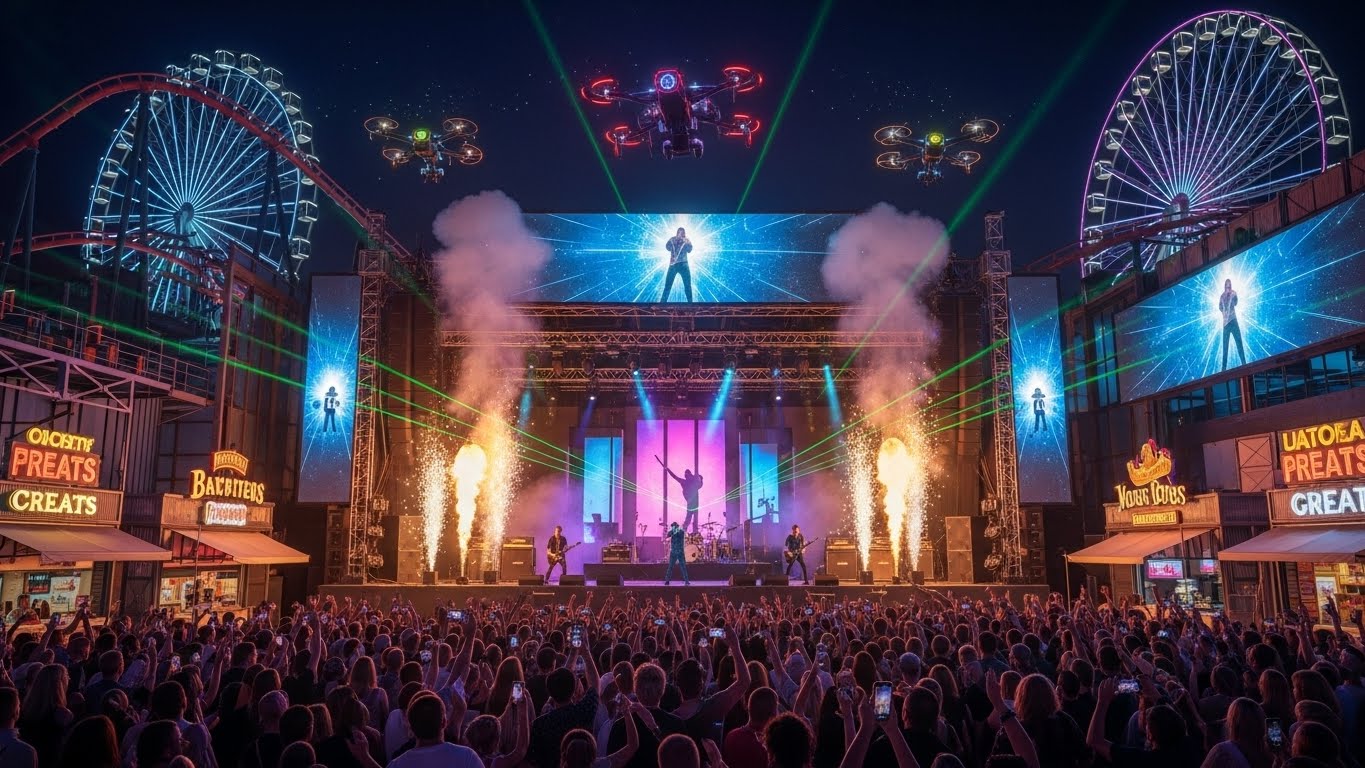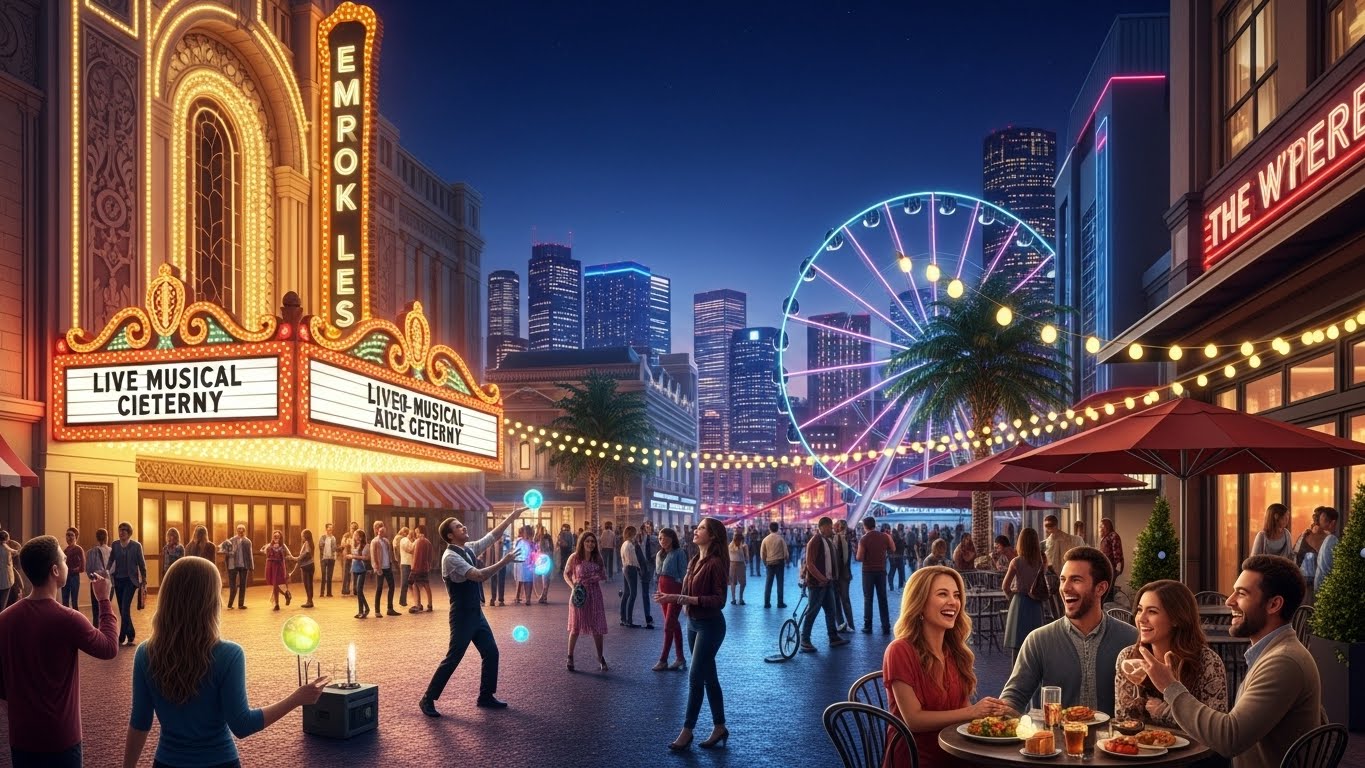

Entertainment has long been a cornerstone of human culture, evolving as society has progressed and technologies have advanced. From ancient oral storytelling to the modern-day dominance of digital media, the way we consume entertainment has transformed dramatically. As the landscape of entertainment continues to change, it’s worth exploring how we’ve arrived at the complex and dynamic world of entertainment we experience today. In this blog post, we’ll take a closer look at the journey of entertainment, how it has evolved over time, and what the future may hold for this ever-expanding industry.
The Origins of Entertainment: Ancient Storytelling and Performance
The roots of entertainment can be traced back to the earliest civilizations, where oral storytelling and live performances served as the primary form of entertainment. In ancient cultures, people gathered in communal spaces to share stories, often through songs, dances, and theatrical performances. These early forms of entertainment were not just a means of distraction—they played a critical role in preserving history, passing down knowledge, and fostering social cohesion.
In ancient Greece, for example, theater became an essential cultural activity, with playwrights like Sophocles and Euripides shaping the foundations of Western drama. Similarly, in ancient Egypt, storytelling through hieroglyphs and elaborate performances was used to communicate religious and political ideas. These forms of entertainment were deeply intertwined with the values, beliefs, and traditions of the societies that produced them.
As civilizations expanded and cultural exchanges took place, these early forms of entertainment evolved, paving the way for more complex and diverse methods of entertainment.
The Rise of the Printed Word and Its Impact on Entertainment
With the invention of the printing press in the 15th century, entertainment began to move beyond oral traditions and live performances. The ability to mass-produce books, pamphlets, and other printed materials opened up new possibilities for entertainment. Literature became a powerful form of entertainment, and the written word began to shape public discourse.
The novels of the 18th and 19th centuries, such as those by Charles Dickens, Jane Austen, and Leo Tolstoy, introduced audiences to complex characters and narratives. These works allowed people to escape into fictional worlds, and the written word became a primary source of entertainment for the literate classes. Alongside literature, plays and operas, which were initially performed in royal courts and theaters, started to be enjoyed by a broader audience.
The advent of mass printing also made literature more accessible, giving rise to the concept of “popular culture” as we know it today. As literacy rates increased and books became more affordable, more people were able to engage with entertainment in new ways, laying the groundwork for the modern entertainment industry.
The Birth of Film: A Revolution in Entertainment
The early 20th century saw a significant shift in how entertainment was consumed. The invention of cinema marked the beginning of a new era for entertainment, one that combined storytelling with technology in a way that had never been seen before. The motion picture industry quickly grew into a global phenomenon, revolutionizing how people experienced stories.
The first film studios were established in the United States in the early 1900s, and by the 1920s, Hollywood had become the epicenter of global cinema. The silent film era gave way to the advent of sound in the late 1920s, forever changing the medium and opening the door for new genres, such as musicals and talkies. By the 1930s and 1940s, film became the dominant form of entertainment for millions of people around the world. Iconic stars like Charlie Chaplin, Humphrey Bogart, and Marilyn Monroe became household names, and the silver screen became the cultural touchstone of the age.
The rise of television in the 1950s added another layer to the entertainment landscape, allowing families to watch films and serials from the comfort of their homes. It wasn’t long before television itself became a form of entertainment, with shows like I Love Lucy, The Twilight Zone, and The Ed Sullivan Show captivating audiences across the world.
The Digital Revolution: From VHS to Streaming
The late 20th and early 21st centuries witnessed a seismic shift in entertainment with the advent of digital technology. The introduction of home video players, like the VHS, made it possible for people to watch movies at home, breaking the monopoly of the movie theater. VHS tapes allowed viewers to rewatch their favorite films at their convenience, creating a new demand for home entertainment. The digitalization of films also made them easier to distribute and more affordable to produce, leading to an explosion of content.
However, it wasn’t until the internet revolutionized how we access information and entertainment that the industry truly transformed. The early days of online entertainment included slow-loading websites, dial-up internet, and rudimentary video platforms, but these developments laid the foundation for what was to come. By the early 2000s, platforms like YouTube began to give people the ability to watch and share videos online, democratizing access to entertainment in a way that was previously unimaginable.
The rise of digital streaming services such as Netflix, Hulu, and Amazon Prime further accelerated this shift. These services allowed consumers to watch content on-demand, eliminating the need for scheduled programming or physical media. In the process, they disrupted traditional television networks and movie studios, while also giving birth to a new era of binge-watching culture.
With streaming, viewers no longer had to wait for a weekly episode to air or rely on cable television’s limitations. Entire seasons of shows were made available at once, and audiences could engage with stories at their own pace. The success of Netflix and other streaming platforms has changed the way content is produced and consumed, with original series like Stranger Things and The Crown becoming global phenomena.
The Rise of Interactive Entertainment: Gaming and VR
While film and television remain dominant forms of entertainment, the rise of interactive media, particularly video games, has created a new frontier for storytelling and audience engagement. The gaming industry has exploded in popularity, with millions of people across the world playing everything from mobile games to complex console titles. The immersive nature of gaming allows players to not just consume stories but to actively participate in them.
In recent years, virtual reality (VR) and augmented reality (AR) have further expanded the potential of interactive entertainment. VR headsets transport players to entirely new worlds, offering fully immersive experiences that go beyond traditional gaming. Whether it’s exploring fantastical environments, participating in competitive e-sports, or enjoying interactive storytelling experiences, VR has redefined what it means to be entertained.
The impact of gaming on culture cannot be overstated. Major game franchises like The Legend of Zelda, Minecraft, and Fortnite have become cultural touchstones in their own right, with dedicated fanbases, live-streamed events, and massive online communities. E-sports, or competitive video gaming, has also grown into a multi-billion-dollar industry, with professional gamers and teams drawing huge audiences both online and in arenas.
The Role of Social Media and User-Generated Content
In recent years, social media platforms like Instagram, TikTok, and Twitter have added new dimensions to the entertainment world. Social media has democratized content creation, allowing anyone with a smartphone to become a producer and share their talents with the world. As a result, we’ve seen the rise of influencers, vloggers, and content creators who entertain millions of followers with everything from makeup tutorials to comedy sketches.
Platforms like TikTok have introduced new ways of engaging with entertainment, with short-form videos becoming an increasingly popular format. These platforms have also given rise to viral challenges, memes, and trends that capture the collective imagination of users, often blurring the line between entertainment and social interaction.
User-generated content has made entertainment more participatory. Audiences are no longer passive consumers; they can now create, share, and comment on the content that entertains them. This shift has made entertainment more personal and interactive, while also fostering new forms of community and connection.
The Future of Entertainment: What Lies Ahead?
Looking to the future, it’s clear that entertainment will continue to evolve. Advances in technology will likely play a central role in shaping the next phase of entertainment, whether through improvements in virtual reality, artificial intelligence, or 5G technology. These innovations will offer even more immersive experiences, allowing audiences to interact with content in ways we can only begin to imagine.
At the same time, new business models will continue to emerge as content creators find new ways to monetize their work. The traditional boundaries between film, television, gaming, and social media are already starting to blur, and we may see even more crossovers and collaborations between different forms of entertainment in the years to come.
One thing is certain: the demand for entertainment will never go away. As long as humans crave stories, connection, and escapism, the entertainment industry will continue to innovate, creating new experiences that captivate and inspire.
Conclusion: The Endless Possibilities of Entertainment
Entertainment is an ever-changing landscape that mirrors the progress of human civilization. From ancient storytellers to modern-day streaming giants, entertainment has evolved in ways that reflect our technological advancements, our social dynamics, and our collective desires. What remains constant, however, is the human need for connection, creativity, and escapism.
As technology continues to push the boundaries of what is possible, we can only imagine what the next chapter of entertainment will look like. One thing is for sure: the future is bright, and the possibilities are endless.