
Entertainment is an integral part of human life, providing joy, inspiration, and a means of connection across generations and cultures. It encompasses a wide range of mediums, including music, film, television, theater, gaming, literature, and live performances. Entertainment is not merely about passing time; it reflects society, shapes cultural identity, and evolves with technological advancements. This blog explores the history, impact, and future of entertainment, highlighting its ability to influence emotions, social interactions, and cultural trends.
The Historical Roots of Entertainment
Entertainment has existed for centuries, evolving alongside human civilization. Ancient societies used storytelling, music, dance, and theatrical performances to convey traditions, morals, and communal values. The Greeks developed theater as both a form of artistic expression and social commentary, while ancient Romans enjoyed gladiatorial games and public spectacles. Folk tales, poetry recitals, and cultural rituals engaged communities, fostering collective experiences. These early forms of entertainment emphasized the importance of creativity, storytelling, and social interaction, laying the foundation for modern mediums.
The Rise of Film and Television
The advent of film in the late 19th century revolutionized entertainment, providing a visual storytelling medium that captivated audiences worldwide. Silent films transitioned into talkies, followed by color films and eventually high-definition digital cinema. Television further transformed entertainment, bringing shows, news, and live events into homes. Families gathered around screens to watch scripted series, sports events, and variety shows. With the emergence of streaming platforms, entertainment became on-demand, personalized, and globally accessible. Film and television continue to evolve technologically and artistically, offering immersive experiences to audiences everywhere.
The Power of Music
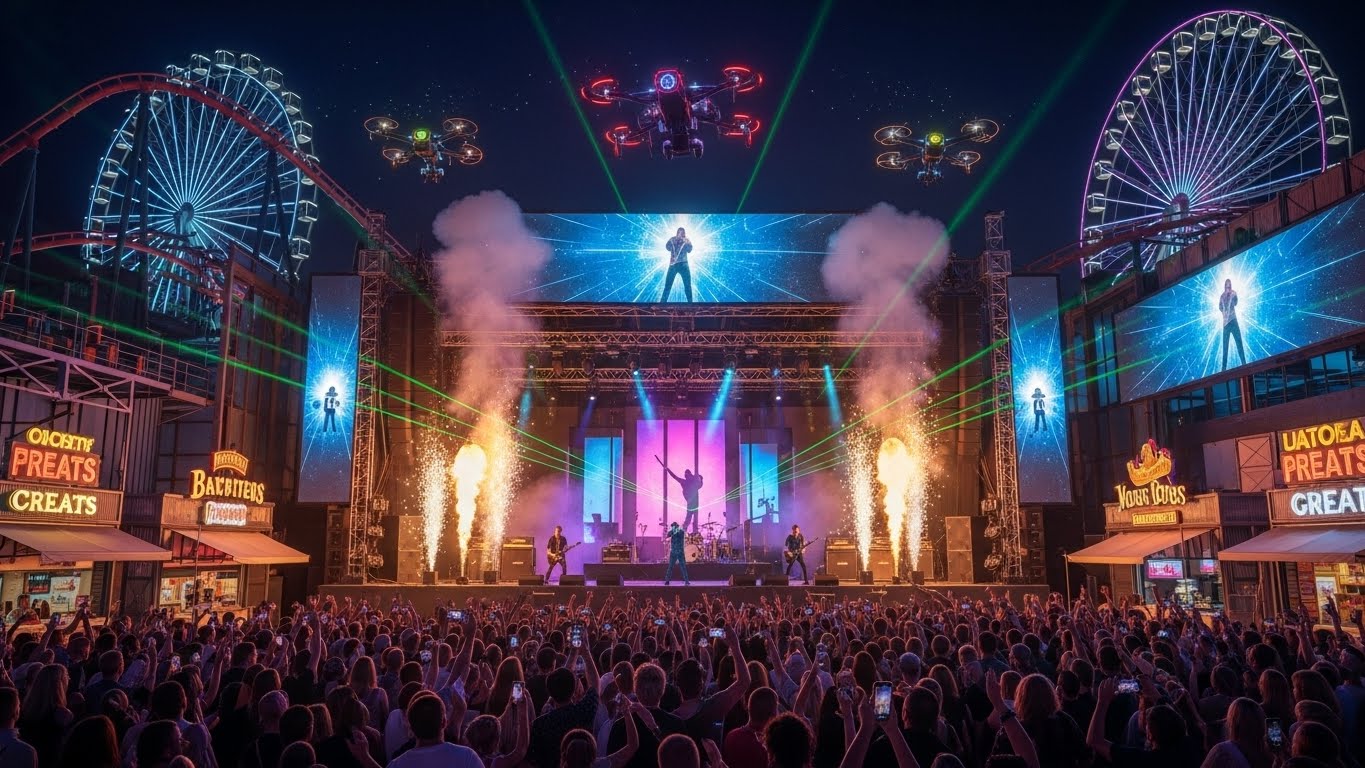
Music is one of the most universal forms of entertainment. It transcends language, culture, and geography, evoking emotions, inspiring creativity, and connecting people. From classical compositions to modern pop, hip-hop, and electronic music, musical entertainment reflects societal trends and personal experiences. Live concerts and festivals create communal experiences, while digital platforms allow music to reach millions globally. Music influences fashion, storytelling, and social movements, demonstrating its role as both entertainment and a cultural force.
Gaming: Interactive Entertainment
Gaming has become one of the fastest-growing forms of entertainment. Video games, mobile apps, and virtual reality experiences provide interactive and immersive worlds that engage players in unique ways. Gaming combines storytelling, strategy, creativity, and social interaction, offering experiences beyond passive entertainment. Competitive gaming, or esports, has further elevated gaming into a professional and spectator sport, attracting millions of viewers and creating global communities. Gaming demonstrates how entertainment has evolved to be participatory, interactive, and technologically advanced.
Literature and Storytelling
Literature remains a timeless form of entertainment that nurtures imagination and emotional engagement. Novels, short stories, poetry, and graphic novels allow readers to explore different worlds, perspectives, and emotions. Storytelling educates, inspires, and entertains, providing both escapism and insight. With the advent of digital books and audiobooks, literature has become more accessible, reaching audiences that traditional print could not. Literature’s enduring appeal lies in its ability to engage the mind and imagination, making it a fundamental component of entertainment.
The Art of Live Performances
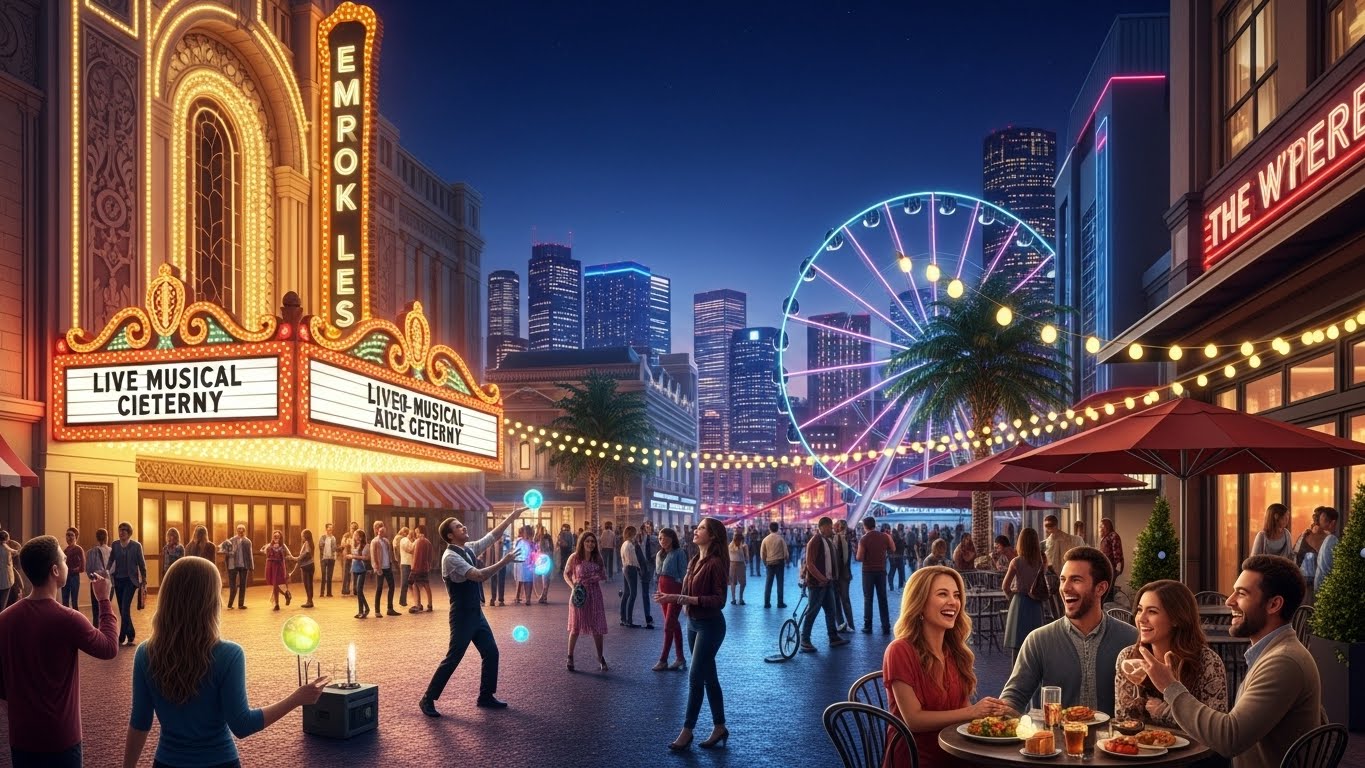
Live performances, including theater, dance, concerts, and circus arts, offer experiences that cannot be replicated digitally. Theater provides dramatic storytelling, music and dance evoke emotional responses, and live spectacles create a sense of community and shared experience. Cultural festivals and stage performances preserve heritage while showcasing artistic innovation. Live entertainment fosters creativity, social connection, and immersive engagement, highlighting the irreplaceable value of experiencing art in real time.
Entertainment and Cultural Identity
Entertainment plays a vital role in shaping and reflecting cultural identity. Movies, music, literature, and performances often explore societal values, traditions, and social issues. Cultural narratives expressed through entertainment educate and influence audiences, promoting understanding and empathy. Entertainment bridges cultural gaps, exposing audiences to diverse perspectives while celebrating local traditions. By reflecting societal norms and challenging cultural boundaries, entertainment becomes both a mirror and a catalyst for cultural dialogue.
Psychological and Emotional Benefits
Entertainment offers significant psychological and emotional benefits. It provides relaxation, stress relief, and mental stimulation, allowing individuals to escape daily pressures. Engaging with stories, music, or performances evokes emotions such as joy, excitement, empathy, or inspiration. Group entertainment experiences, such as concerts, sporting events, or theater, foster social connection and shared emotional experiences. Interactive forms of entertainment, including gaming, promote problem-solving, strategic thinking, and cognitive engagement. The emotional impact of entertainment underscores its essential role in human well-being.
The Economic Impact of Entertainment
Entertainment is a multi-billion-dollar global industry that drives economic activity and innovation. Film production, music recording, live events, gaming, and digital media support employment in creative, technical, and managerial roles. Streaming services, ticket sales, merchandising, and promotional activities generate substantial revenue. Entertainment tourism, including festivals, film sets, and cultural events, stimulates local economies. The economic significance of entertainment reflects its dual role as both cultural expression and a key contributor to global financial growth.
Social Media and Entertainment
Social media platforms have revolutionized how entertainment is consumed and shared. Musicians, actors, writers, and gamers can reach global audiences instantly, engage with fans, and create interactive experiences. Viral trends, challenges, and influencer content shape popular culture, redefining the dynamics of entertainment consumption. User-generated content empowers audiences to participate creatively, further blurring the line between creator and consumer. Social media has democratized entertainment, allowing diverse voices and perspectives to reach global recognition.
Educational Entertainment: Edutainment
Entertainment can also serve educational purposes, creating engaging and informative experiences. Documentaries, educational games, interactive exhibits, and storytelling platforms combine learning with fun. Edutainment encourages curiosity, critical thinking, and creativity, making complex topics accessible and memorable. By blending education with entertainment, creators can reach broader audiences, inspire lifelong learning, and foster an appreciation for knowledge in engaging and innovative ways.
Technological Innovations Shaping Entertainment
Technology continues to redefine entertainment in exciting ways. Virtual reality and augmented reality offer immersive experiences that blur the line between physical and digital worlds. Artificial intelligence personalizes content, tailoring recommendations to individual preferences. High-definition visuals, surround sound, and interactive platforms enhance storytelling and engagement. The integration of technology ensures that entertainment evolves with audience expectations, providing innovative, immersive, and interactive experiences.
Challenges in the Entertainment Industry
The entertainment industry faces several challenges. Piracy, copyright infringement, and unauthorized content distribution threaten revenue streams and creative ownership. Market saturation and fierce competition require continuous innovation and marketing strategies. Ethical concerns, including representation, inclusivity, and responsible content, demand attention from creators and producers. Balancing creativity, profitability, and social responsibility is essential to sustain growth and maintain audience trust in a rapidly evolving digital landscape.
The Future of Entertainment
The future of entertainment is dynamic and promising. Interactive and immersive experiences, such as virtual reality gaming, augmented reality storytelling, and live-streamed performances, will become more mainstream. Artificial intelligence will enhance personalization, creating adaptive content experiences tailored to individual preferences. Global connectivity will allow cross-cultural collaboration, producing content that appeals to diverse audiences worldwide. Sustainability and inclusivity will shape production practices, ensuring that entertainment reflects social values and ethical standards. The evolution of entertainment will continue to inspire, engage, and connect people globally.
Conclusion
Entertainment is an ever-evolving force that enriches human life through storytelling, music, gaming, literature, and live performances. It reflects culture, fosters social connection, promotes creativity, and drives economic growth. Technological advancements, digital platforms, and immersive experiences have transformed the ways people engage with entertainment, making it more interactive, personalized, and accessible. While challenges exist, ethical and responsible practices ensure that entertainment remains a positive and influential force. As entertainment continues to evolve, it will remain a central part of human experience, shaping culture, emotions, and social interaction while connecting people across the globe through shared experiences and imaginative storytelling.