Introduction: Entertainment in a Digital World
Entertainment has always been a central part of human culture, an essential outlet for creativity, relaxation, and escape. Throughout history, different forms of entertainment have emerged, evolving in response to technological advancements and changing societal needs. From the ancient art of theater to the rise of cinema, television, and, more recently, digital platforms, entertainment has never remained static. With the digital age in full swing, the way people consume, create, and interact with entertainment has transformed drastically.
What once took place in theaters, cinemas, and public spaces is now increasingly digital, offering more variety, personalization, and access. The evolution from traditional forms of entertainment to digital media reflects a broader societal shift toward instant access, interactivity, and a growing demand for immersive experiences. This blog post explores the journey of entertainment through time and its rapid evolution into the diverse digital landscape we enjoy today.
The Golden Age of Traditional Entertainment
Before the digital revolution, entertainment was more communal and physically immersive. People would gather in theaters, cinemas, and stadiums to experience live performances, watch films, or attend sporting events. For centuries, theater and performance art served as the dominant form of entertainment, offering stories through acting, music, and dance. With the rise of the film industry in the early 20th century, cinema became the new dominant force, providing mass entertainment on a global scale.
The invention of television further cemented traditional media as a central part of everyday life. Families would sit down in front of the television for their favorite shows, sports events, and movies. The concept of scheduled programming became the norm, and entertainment was largely dictated by what was available on air or in theaters. In this era, entertainment was often passive and dictated by large corporations or media outlets that controlled what people could watch, when they could watch it, and where they could experience it.
The Digital Shift: Streaming and On-Demand Content
The digital age began to make its mark in the late 20th century, and by the early 2000s, the entertainment landscape began its dramatic shift. With the rise of the internet, technology and the way we consumed media were transformed. DVDs and digital downloads began replacing physical media like VHS tapes, giving people the freedom to watch their favorite films and TV shows without the constraints of scheduled programming.
The real game-changer came with the advent of streaming platforms. Services like Netflix, Amazon Prime Video, and Hulu allowed users to access movies and shows instantly, whenever they wanted, on any device. This move toward on-demand content has made the viewing experience far more flexible and personalized. People no longer need to plan their day around when their favorite shows air; instead, they have entire libraries of content at their fingertips, ready to watch on demand.
Streaming services revolutionized not only how people consumed entertainment but also how content was produced. The demand for new and original content skyrocketed, leading to the rise of Netflix Originals, Amazon Prime Originals, and other exclusive programming. With streaming, audiences now had access to a vast catalog of content, from independent films to popular blockbusters, all in one place.
The Rise of Social Media and the Influence of Influencers
In parallel with streaming services, social media has had a profound impact on entertainment. Platforms like YouTube, Instagram, TikTok, and Twitter have created a new type of entertainment, one that is centered around user-generated content. No longer are we simply consumers of entertainment; we are also creators. Social media allows anyone with a smartphone and an internet connection to produce and share content with the world.
The rise of influencers has been one of the most notable effects of this new media landscape. Influencers, individuals who have amassed large followings on platforms like Instagram and TikTok, create content around their daily lives, fashion, travel, beauty, comedy, or even just personal thoughts. These creators have turned their social media presence into full-fledged entertainment careers. Their influence is profound, as they shape trends, drive consumer behavior, and often collaborate with brands or other creators for commercial purposes.
What makes social media entertainment so unique is the immediacy and interactivity. Fans can comment on posts, engage with live streams, and even directly interact with their favorite influencers. This democratization of entertainment has allowed for the creation of niche communities where people with shared interests can come together, bypassing traditional media gatekeepers.
Gaming: The Ultimate Digital Playground
Gaming has always been a form of entertainment, but its growth in the digital era has been nothing short of revolutionary. Video games have evolved from simple pixelated graphics to fully immersive, high-definition worlds that rival Hollywood productions in terms of production quality and storytelling. Today, gaming is a multi-billion-dollar industry, attracting millions of players and viewers around the world.
The rise of online gaming has allowed people to connect and compete globally, often forming social networks and communities around their shared interests. Games like Fortnite, League of Legends, and Call of Duty have transformed gaming into an interactive and social experience. Moreover, with the advent of virtual reality (VR) and augmented reality (AR), gaming is no longer confined to a screen—it has become an immersive, interactive experience that can engage multiple senses and create a truly virtual world.
Esports, the competitive side of gaming, has also emerged as a major entertainment sector. With massive tournaments, international leagues, and huge sponsorships, esports is a global phenomenon that attracts millions of fans. Some esports tournaments now rival traditional sports events in terms of viewership and cultural significance, solidifying gaming’s place in the entertainment industry.
The Power of Personalization in Entertainment
One of the most significant benefits of the digital entertainment revolution is the ability for users to personalize their entertainment experience. With the advent of recommendation algorithms on platforms like Netflix, YouTube, and Spotify, entertainment is no longer a one-size-fits-all experience. Instead, AI-powered algorithms analyze user behavior to suggest content tailored specifically to individual tastes.
This personalization extends beyond just media consumption. With the rise of data-driven platforms, advertisers and content creators can target users with specific ads, promotions, or content that resonate with their interests, increasing engagement and satisfaction. This personalized approach has made it easier for audiences to discover new content that they are likely to enjoy, while also helping creators and brands reach the right people at the right time.
Virtual Reality and Augmented Reality: The Future of Entertainment
While streaming and gaming have reshaped the entertainment industry, the next frontier in digital entertainment is virtual reality (VR) and augmented reality (AR). These technologies are taking interactivity and immersion to a whole new level. VR allows users to fully immerse themselves in virtual worlds, offering experiences that go beyond what is possible on traditional screens. Whether it’s exploring new environments, playing VR-based games, or even attending live concerts and events, VR is redefining how we experience entertainment.
Similarly, augmented reality is blending the physical and digital worlds. Through AR, users can interact with digital content overlaid on the real world. This is being used in gaming, entertainment, and even live events. Imagine being able to watch a concert through your AR glasses, where the performance interacts with your surroundings, or using AR to explore an interactive movie or theater production.
Both VR and AR promise to take digital entertainment to unprecedented heights, creating experiences that are fully immersive and often indistinguishable from reality. While still in their infancy, these technologies are poised to shape the future of entertainment in powerful ways.
The Impact of Technology on Music and Performing Arts
Just as film and television have evolved with digital technology, so too has music. The way people listen to music has changed dramatically, from CDs and vinyl records to digital downloads and, most significantly, streaming services like Spotify and Apple Music. Streaming platforms have made music more accessible than ever before, allowing users to access millions of songs instantly from anywhere in the world.
For musicians, digital technology has also provided new tools for production, distribution, and promotion. Artists can now create, produce, and distribute their music from the comfort of their home, reaching global audiences through platforms like SoundCloud and Bandcamp. The music industry has been democratized, and independent artists now have the opportunity to find their audience without relying on major record labels.
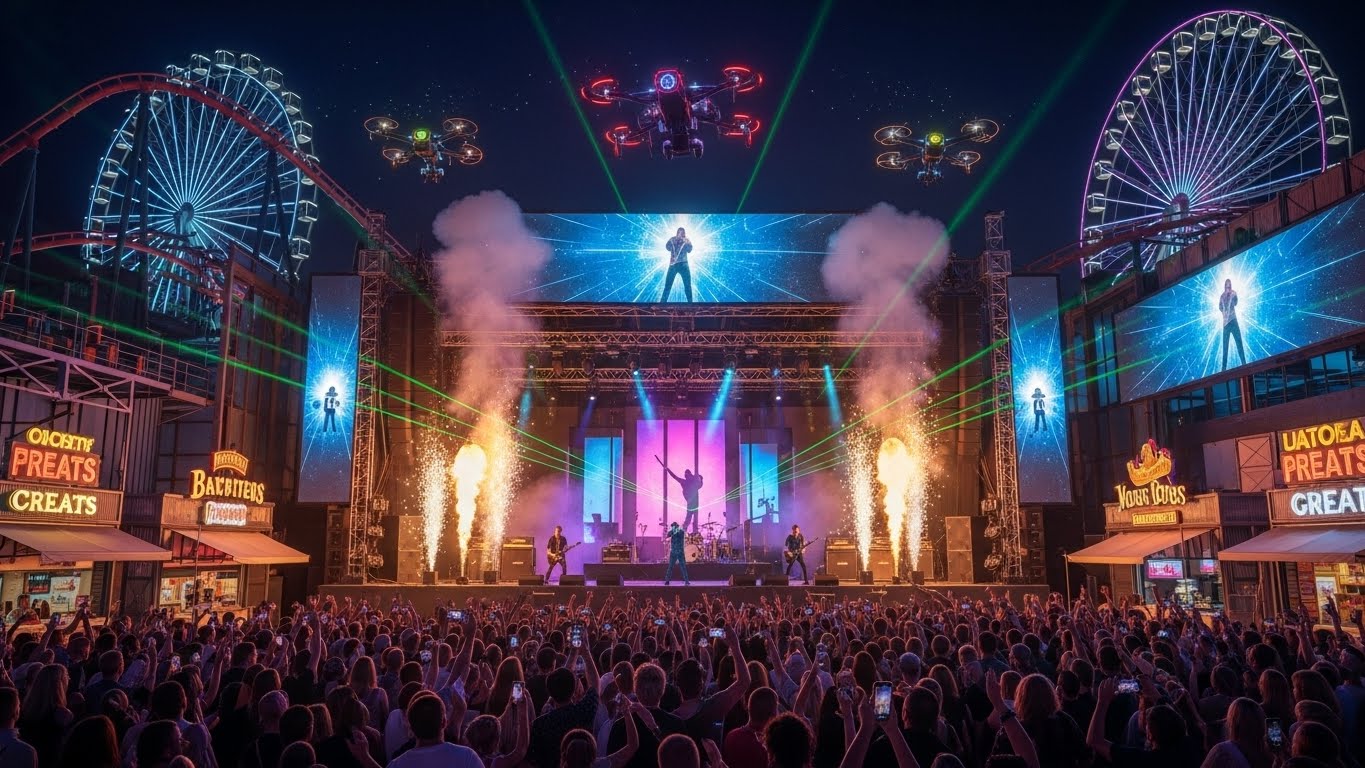
In the realm of live performance, technology has also played a significant role. Digital platforms allow for live-streamed concerts, virtual events, and even interactive performances where viewers can engage with the artists in real-time. The COVID-19 pandemic accelerated the shift to digital live performances, and even post-pandemic, virtual concerts remain a significant part of the entertainment landscape.
The Challenges and Opportunities in the Digital Entertainment Landscape
As with any major shift, the rise of digital entertainment brings both challenges and opportunities. One challenge is the overwhelming amount of content available. While this vast selection of entertainment is one of the major advantages of digital platforms, it can also lead to content fatigue. With so much to choose from, audiences may feel overwhelmed or have difficulty deciding what to watch or play.
Moreover, the democratization of content creation has led to an explosion of content across platforms, making it harder for creators to stand out. As a result, there is a growing demand for platforms that curate content more effectively, helping users discover quality over quantity.
On the other hand, the digital revolution offers immense opportunities for creators and entrepreneurs. New forms of entertainment and monetization methods, such as live streaming, crowdfunding, and digital art markets, have opened up new avenues for creators to showcase their work. These changes have empowered a new generation of independent filmmakers, musicians, and artists to build their brands and connect with audiences directly.
Conclusion: The Digital Age of Entertainment
Entertainment in the digital age is more diverse, immersive, and accessible than ever before. From streaming platforms and social media to gaming and virtual reality, technology has transformed how people consume and create entertainment. As technology continues to advance, the possibilities for digital entertainment are limitless.