Introduction
Entertainment has always been an essential part of human culture. From ancient storytelling around fires to modern virtual reality experiences, entertainment reflects human creativity, emotions, and values. It is more than just a pastime—it is a window into imagination, a tool for emotional connection, and a way to bring people together across boundaries of geography, language, and culture.
In the modern world, entertainment has evolved into a multi-dimensional experience. Films, television shows, music, video games, and social media content now combine technology, storytelling, and art to create experiences that are immersive, engaging, and influential. In this blog, we explore how entertainment has transformed, its cultural and social impact, and why it remains an indispensable part of daily life.
The Evolution of Storytelling
Storytelling is at the heart of all entertainment. For centuries, humans have used stories to communicate values, history, and emotions. Ancient myths, folktales, and traditional theater laid the foundation for modern entertainment. Today, storytelling has evolved into a sophisticated art form that spans films, television, web series, and interactive digital experiences.
Modern narratives are more complex and immersive than ever. Television series often span multiple seasons, with intricate plots and character development that encourage long-term engagement. Cinematic universes connect multiple stories across films, allowing audiences to explore entire fictional worlds. Video games add interactivity to storytelling, giving players the power to influence the narrative through their choices. This evolution from passive viewing to active participation has transformed storytelling into a deeply personal and emotional experience.
Entertainment as a Universal Language
Entertainment has the power to transcend cultural and linguistic barriers. Music, films, and online content can resonate with audiences worldwide, even if they are from different countries or speak different languages. A hit song can trend globally, a foreign film can capture hearts across continents, and viral videos can create shared experiences for millions.
This universality fosters cultural exchange and understanding. Entertainment allows people to experience different traditions, lifestyles, and perspectives in ways that are engaging and relatable. It acts as a bridge, connecting diverse communities and creating a global sense of shared culture. This global connectivity has made entertainment not just enjoyable but a powerful tool for empathy and cultural awareness.
The Digital Revolution in Entertainment
Technology has revolutionized how we consume and create entertainment. Streaming platforms, smartphones, and social media have made entertainment accessible anytime and anywhere. Traditional barriers, such as scheduled television broadcasts or physical media, have been replaced with on-demand access, allowing people to watch movies, listen to music, and play games at their convenience.
Digital platforms also offer personalized experiences. Algorithms suggest content based on individual preferences, creating a tailored entertainment experience for every user. This personalization has made entertainment more engaging and relevant. Moreover, the digital era has democratized content creation. Independent creators can now reach global audiences without relying on traditional media channels. This has resulted in a diverse array of stories, voices, and artistic expressions, enriching the entertainment landscape.
Gaming: A Cultural Phenomenon
Gaming has emerged as one of the most influential forms of modern entertainment. Once considered a niche hobby, gaming is now a mainstream activity that attracts millions of people worldwide. Modern games combine immersive storytelling, advanced graphics, and interactive gameplay to create experiences that rival films in depth and emotional impact.
Beyond entertainment, gaming fosters social connections. Multiplayer games and online communities connect players from different countries, creating friendships and shared experiences. Competitive gaming, or esports, has become a professional industry, with tournaments drawing massive audiences and providing opportunities for talented players. Gaming is no longer just about play; it is a form of art, a social platform, and a cultural movement.
Social Media and the Rise of Everyday Creators
Social media has transformed entertainment by turning ordinary people into global creators. Platforms that host short videos, live streams, and creative content allow individuals to reach millions of viewers with just a smartphone. Viral content spreads quickly, creating interactive and participatory forms of entertainment.
Authenticity drives social media’s appeal. Audiences are drawn to real stories, humor, and relatable experiences. Influencers and creators shape cultural trends, influence fashion, and redefine what it means to entertain in the modern age. Social media has made entertainment more immediate, personal, and diverse, blurring the lines between creators and consumers.
Music: The Heartbeat of Human Connection
Music has always been one of the most universal forms of entertainment. Its power lies in its ability to evoke emotion, tell stories, and connect people across cultures. Modern technology has made music globally accessible, allowing artists to reach audiences around the world instantly. Genres mix and evolve, creating new musical styles and fostering cross-cultural collaborations.
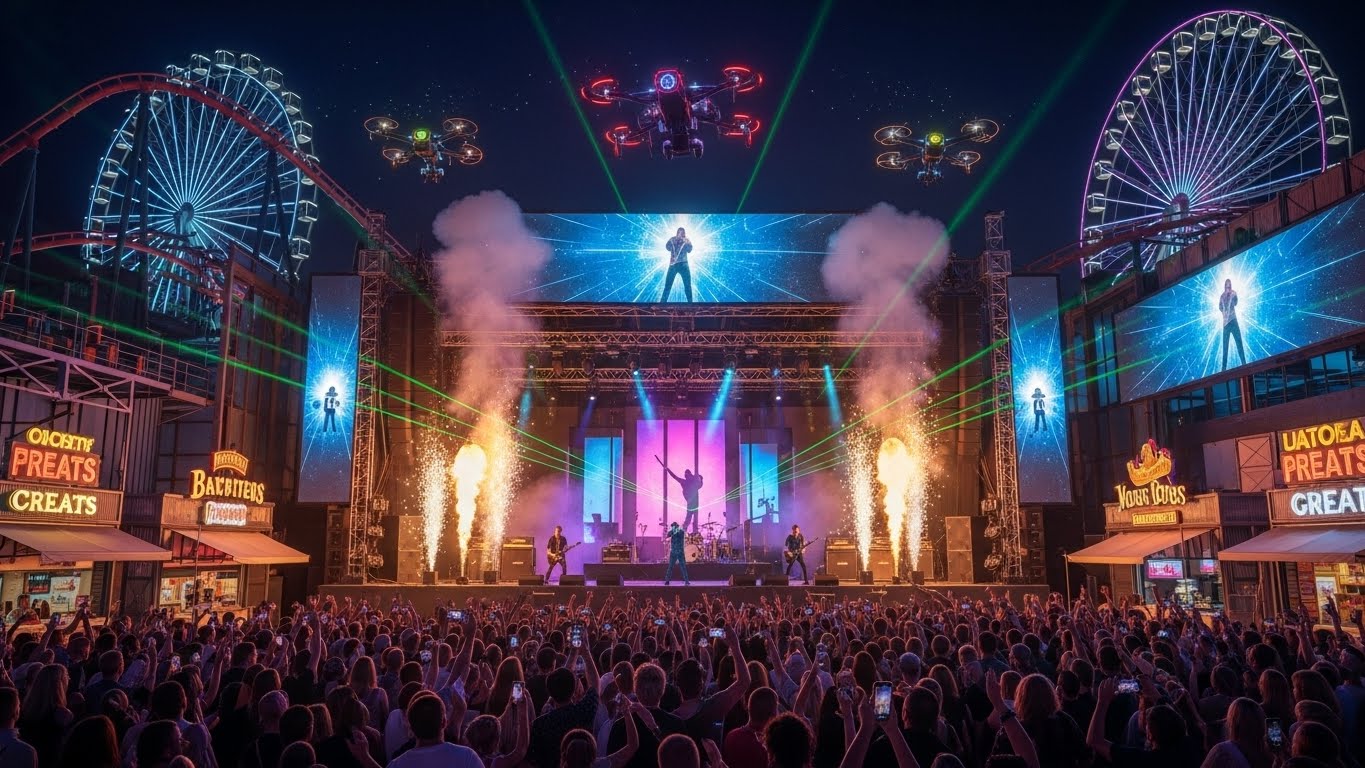
Music also plays a crucial role in shaping identity. People use music to express themselves, find community, and navigate life’s emotional landscapes. Live concerts and festivals provide shared experiences that strengthen cultural bonds and bring people together. Music remains a timeless form of entertainment that continues to evolve with society.
The Role of Nostalgia in Entertainment
Nostalgia is a powerful force in modern entertainment. Reboots of classic films, remakes of favorite songs, and the revival of old television shows tap into the emotional memories of audiences. Nostalgia provides comfort and joy, connecting people with the past while engaging them in the present.
Modern creators often blend nostalgia with innovation, offering experiences that appeal to both older audiences who remember the originals and younger generations discovering them for the first time. This mix of familiarity and novelty keeps audiences engaged and emotionally connected, making nostalgia a vital element of entertainment.
Entertainment as a Cultural Influencer
Entertainment has a profound impact on culture and society. It influences fashion, language, social behavior, and even political discourse. Celebrities, characters, and influencers inspire lifestyle choices and shape social trends.
Beyond shaping trends, entertainment educates and inspires. Documentaries, educational content, and socially conscious films can raise awareness, foster empathy, and encourage social change. Entertainment is more than diversion—it is a medium that can influence opinions, inspire action, and reflect societal values.
The Future of Entertainment
The future of entertainment promises even greater innovation. Technologies such as virtual reality, augmented reality, and artificial intelligence will create immersive experiences where audiences interact with content in unprecedented ways. Imagine films that adapt to your choices, virtual concerts with fully interactive audiences, or AI-generated stories that respond to your emotions.
Audiences will continue to demand inclusivity, authenticity, and interactivity. Creators will experiment with new formats, blending technology, art, and storytelling to provide richer experiences. Entertainment will evolve as society evolves, remaining a mirror of human culture, a source of inspiration, and a space for imagination and connection.
Conclusion
Entertainment is more than a source of amusement—it is an essential part of human life. It shapes culture, connects communities, and reflects our collective creativity and imagination. From immersive storytelling and gaming to music, social media, and nostalgic revivals, entertainment continues to evolve while remaining deeply meaningful.
It influences identity, guides trends, and fosters emotional connections. In a world that changes rapidly, entertainment provides joy, reflection, and shared experiences. It reminds us of the timeless human desire for stories, music, laughter, and connection. As technology and creativity continue to advance, entertainment will remain a powerful force that enriches our lives and inspires generations to come.