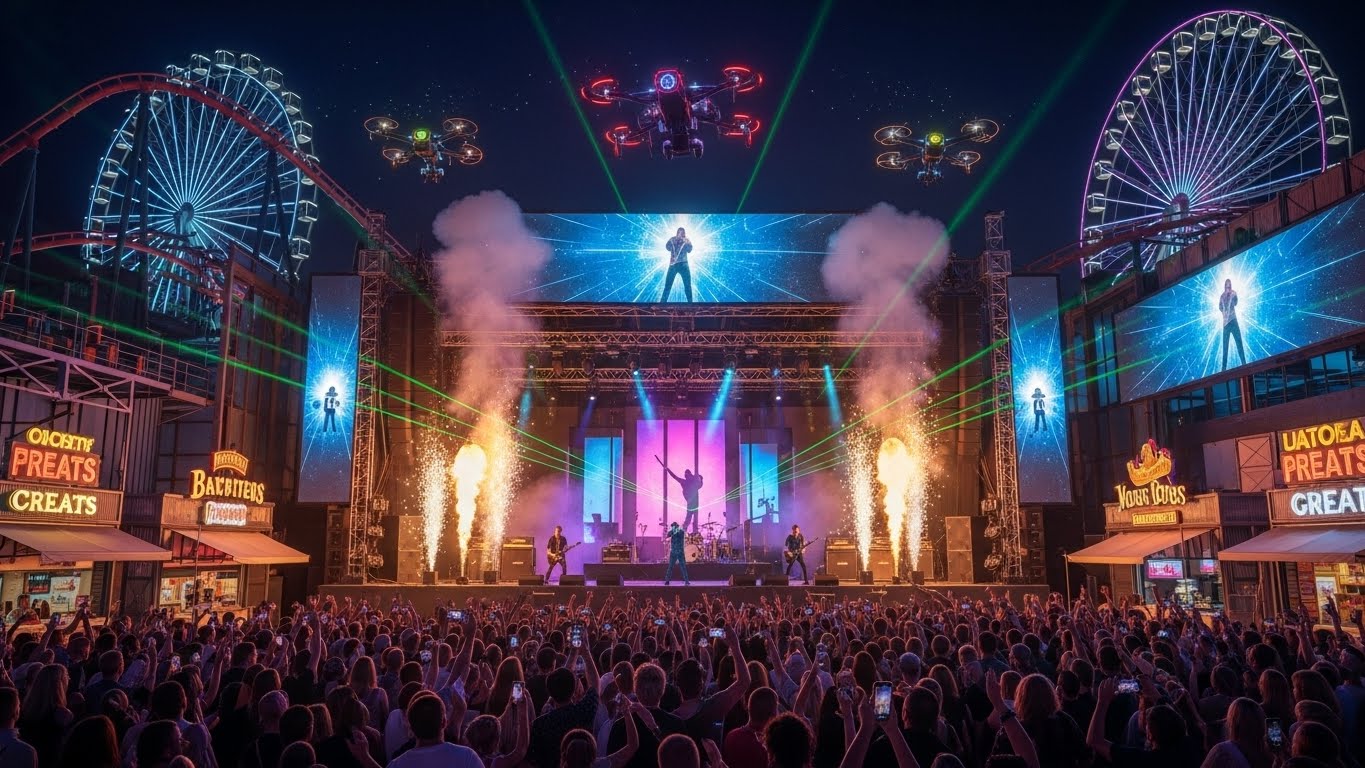

Entertainment is a universal force that has shaped and influenced human culture since the dawn of civilization. Whether it’s music that soothes the soul, movies that make us laugh or cry, games that challenge our intellect, or books that transport us to another world, entertainment serves a unique purpose in every person’s life. In today’s fast-paced world, where stress and uncertainty often take center stage, entertainment provides a much-needed escape. It’s a tool for connection, self-expression, and, ultimately, a means of exploring what it means to be human.
But entertainment is not just about passing the time or distracting oneself from life’s struggles; it holds a far deeper significance. In this blog, we’ll explore the many facets of entertainment—why it’s essential for our mental health, its role in shaping societal values, and how it influences the way we live, work, and play. Let’s take a closer look at the various forms of entertainment and why they continue to capture our hearts and minds.
The Evolution of Entertainment: From Ancient Rituals to Modern Media
Entertainment has been with us since the beginning of human history. In the earliest days of civilization, it was a communal activity. Early forms of entertainment revolved around storytelling, music, and dance. These shared experiences were not only a way to pass the time but also served as a means of bonding within a community. The ancient Greeks, for example, built amphitheaters to host theatrical performances, while ancient Egyptians used music and dance in their religious ceremonies.
Fast forward to the modern era, and entertainment has become a vast and multifaceted industry. The advent of printing presses in the 15th century made literature more accessible to the masses. Later, radio and television revolutionized how we consumed entertainment, bringing it directly into our homes. In the 21st century, technology has taken entertainment to new heights with the rise of digital media, streaming platforms, social media, and video games.
Today, entertainment is no longer limited to traditional forms. The proliferation of smartphones and digital devices has made entertainment accessible 24/7. Social media platforms like Instagram, TikTok, and YouTube have become vital sources of entertainment, allowing individuals to create and consume content at their own pace. Streaming services like Netflix, Hulu, and Spotify offer an endless supply of films, TV shows, music, and documentaries that can be accessed from anywhere in the world. It’s safe to say that entertainment has become a permanent fixture in the modern landscape, shaping our daily routines and even influencing the way we communicate and interact with one another.
The Therapeutic Power of Entertainment
One of the primary reasons people turn to entertainment is for its therapeutic effects. Life can be stressful, and sometimes, we all need a break from the pressures of work, family, and personal challenges. Entertainment offers an escape, a temporary departure from reality that allows us to recharge and unwind. Whether it’s watching a feel-good movie, reading a gripping novel, or listening to a favorite song, entertainment provides an outlet for relaxation and stress relief.
But entertainment does more than just distract us from our problems—it has the power to help us process our emotions. Music, for example, can evoke deep feelings of joy, sadness, nostalgia, or excitement. Certain songs may remind us of a significant moment in our lives, while others help us work through difficult emotions. Similarly, movies and television shows often portray characters and situations that resonate with our own experiences. By watching how these characters navigate challenges, we can gain new perspectives on our own struggles.
In some cases, entertainment serves as a form of therapy, offering emotional release in a safe and controlled environment. For example, watching a dramatic film may allow someone to confront their feelings of grief or loss. Reading a book that explores themes of resilience and hope may provide comfort during tough times. In this way, entertainment can function as a mental and emotional tool, providing a sense of solace and catharsis.
Entertainment as a Social Connector
In addition to its personal benefits, entertainment plays a vital role in connecting people. For centuries, individuals have gathered together to enjoy live performances, share stories, and partake in activities that foster social interaction. In the modern era, entertainment has continued to serve as a bridge that connects people across different cultures, languages, and backgrounds.
Take the example of movies—whether it’s a Hollywood blockbuster, an independent film, or an international release, films have the ability to bring people together. A popular movie often sparks discussions, debates, and even shared experiences. The “watching party” phenomenon has become a staple of social gatherings, where friends and family come together to watch the latest hit film or binge-watch an entire series. This shared experience creates a sense of community and allows individuals to bond over common interests.
Music is another powerful social connector. Concerts, music festivals, and live performances are some of the most enjoyable and communal experiences people can have. Even in the digital age, music continues to play a significant role in socializing—whether it’s discovering new artists on streaming platforms, sharing playlists with friends, or attending virtual live concerts. Music, like all forms of entertainment, fosters a sense of belonging, uniting people from different walks of life.
Video games also play an important role in social connectivity, especially in the age of online multiplayer games. Video game communities have grown into vibrant social ecosystems where players interact, collaborate, and compete with others from all around the world. Games like Fortnite, World of Warcraft, and League of Legends have transformed entertainment into a social activity, blurring the lines between leisure and social engagement. Whether it’s through voice chat, live streams, or in-game events, gaming has become a powerful tool for social interaction in today’s digital world.
The Emotional Impact of Entertainment: Laughter, Tears, and Everything In Between
One of the most remarkable aspects of entertainment is its ability to evoke a wide range of emotions. Movies, music, television shows, and books have the power to make us laugh, cry, feel excitement, or experience fear. These emotional responses are what make entertainment so powerful—it taps into our deepest feelings and experiences.
Comedy, for example, provides a necessary outlet for laughter. A well-crafted comedy film or TV show has the ability to lift our spirits and provide relief from life’s difficulties. Laughter is known to reduce stress, improve mood, and even strengthen the immune system. Through comedy, we can momentarily forget about our worries and enjoy the simple pleasure of humor.
On the other hand, drama and tragedy can evoke strong emotional reactions that offer their own unique benefits. A heartbreaking movie, like The Pursuit of Happyness, can bring tears to our eyes while reminding us of the importance of hope and perseverance. Similarly, literature often deals with complex themes of love, loss, and human resilience, drawing readers into emotional journeys that challenge their understanding of the world. This emotional engagement with entertainment is often cathartic—it allows us to process our own emotions in a safe and controlled environment.
Entertainment’s emotional impact is not just confined to passive consumption. Interactive forms of entertainment, such as video games and live theater, also offer ways for individuals to engage emotionally with the content. Players might experience a deep sense of accomplishment after completing a challenging video game, or they may feel a strong connection to a character they have grown to care about. Theater, with its live, real-time performances, has an immediacy that can stir powerful emotional responses, drawing audiences into the story in ways that are difficult to replicate through other mediums.
Entertainment and Education: Learning Through Play and Art
Entertainment isn’t just about fun and relaxation; it can also serve as a valuable educational tool. Many forms of entertainment have educational elements built into them, offering insights into history, culture, science, and more. Documentaries, educational TV shows, and even films based on real events often serve as a means of learning, providing audiences with knowledge in an engaging and accessible way.
For example, historical movies like Lincoln or 12 Years a Slave shed light on important periods in history, helping audiences better understand complex events and figures. Similarly, nature documentaries like Planet Earth provide viewers with an appreciation for wildlife and environmental conservation. These forms of entertainment not only entertain but also educate, encouraging viewers to think critically about the world around them.
Video games are another area where entertainment and education intersect. Games like Civilization or SimCity teach players about history, geography, and even economics, all while providing an engaging, interactive experience. These games allow players to learn complex concepts while having fun, making education more dynamic and appealing.
In addition to formal education, entertainment helps to promote social awareness and understanding. Films, music, and books have the ability to spark conversations about important social issues like equality, justice, and environmental responsibility. By exposing people to diverse perspectives and experiences, entertainment has the potential to create a more informed and empathetic society.
The Future of Entertainment: Virtual Reality, AI, and Beyond
As technology continues to advance, the future of entertainment looks more exciting than ever. Virtual reality (VR) and augmented reality (AR) are two rapidly growing fields that promise to revolutionize the way we experience entertainment. With VR, viewers can immerse themselves in fully interactive worlds, while AR can overlay digital content onto the real world, offering new ways to engage with stories and characters.
The rise of artificial intelligence (AI) is also shaping the future of entertainment. AI-powered algorithms are already being used by streaming platforms to recommend content based on viewers’ preferences, and this technology is only expected to improve. In the near future, AI could enable hyper-personalized entertainment experiences, where every piece of content is tailored to an individual’s unique tastes and interests.
Moreover, advancements in game design, digital animation, and interactive storytelling will continue to blur the lines between the real and virtual worlds. The entertainment of tomorrow may be more immersive, more interactive, and more accessible than ever before.
Conclusion: The Timeless Appeal of Entertainment
Entertainment is far more than just a form of escapism—it’s a vital part of the human experience. From its origins in ancient rituals to its modern-day forms, entertainment continues to evolve and enrich our lives in countless ways. It offers an emotional release, provides opportunities for social connection, fosters creativity, and even educates us about the world around us.
As technology continues to advance, the possibilities for entertainment will only continue to expand. But one thing will remain constant: our deep-seated need for stories, art, music, and play. Entertainment is not just a way to fill the hours—it’s a reflection of who we are, what we value, and how we connect with others. In a world that’s constantly changing, entertainment will always provide us with a constant source of joy, meaning, and inspiration.