
Introduction: The Essence of Entertainment
Entertainment has always been a cornerstone of human culture, shaping the way we perceive the world and connect with one another. From the ancient traditions of storytelling around fires to the latest streaming platforms on our smart devices, entertainment has evolved significantly while remaining a source of joy, inspiration, and escape. In today’s fast-paced world, entertainment is no longer just a leisure activity; it has become a vital part of our lifestyle, influencing our emotions, social interactions, and even our personal identities.
The Evolution of Entertainment: From Stage to Streaming
The history of entertainment is a fascinating journey through human creativity. The earliest forms of entertainment were deeply rooted in oral traditions, where storytelling, music, and dance conveyed cultural values and communal experiences. Theater, as an organized form of entertainment, emerged centuries ago, bringing drama, comedy, and music to audiences in shared spaces.
With the invention of the printing press, literature became a source of entertainment for broader audiences, allowing stories to transcend geography. In the 20th century, cinema revolutionized entertainment, blending visual storytelling with sound, music, and special effects. The rise of television brought entertainment directly into homes, creating a shared experience for families worldwide. Today, digital platforms and streaming services have transformed entertainment once again, offering instant access to an endless library of films, series, and interactive content.
The Role of Technology in Shaping Entertainment
Technology has always been a driving force behind the evolution of entertainment. Virtual reality, augmented reality, and artificial intelligence are redefining how we engage with content. Gaming, for instance, has moved from simple arcade machines to highly immersive virtual worlds where players can interact with complex environments and communities. Streaming services leverage sophisticated algorithms to recommend personalized content, making entertainment more tailored than ever. Social media platforms also play a pivotal role, allowing individuals to create, share, and consume content instantly, blurring the lines between creator and audience.
Advancements in technology have not only enhanced the experience but also democratized access to entertainment. Today, anyone with an internet connection can share their talent with millions of viewers, and consumers have the power to choose how, when, and what they watch. This shift has created a more dynamic and diverse entertainment ecosystem, where global cultures and ideas intersect in unprecedented ways.
Cinema: The Timeless Art of Storytelling
Cinema remains one of the most powerful forms of entertainment, captivating audiences with its ability to evoke emotions, provoke thought, and transport viewers to new worlds. From blockbusters with mind-blowing visual effects to indie films exploring nuanced human experiences, cinema caters to a wide range of tastes and interests.
Movies are not just entertainment; they are a reflection of society. They address themes like love, identity, justice, and resilience, often mirroring cultural shifts and societal concerns. Beyond storytelling, cinema has a communal aspect—watching a film in a theater creates a shared experience where audiences react collectively to moments of tension, laughter, or awe. Even with the rise of home streaming, the magic of the theater continues to attract millions, proving that the cinematic experience is irreplaceable.
Television and Streaming: The Era of On-Demand Entertainment
Television has undergone a remarkable transformation over the decades. The early days of broadcast TV offered limited channels and scheduled programming, making viewers plan their day around their favorite shows. With the advent of cable and satellite TV, choices expanded, and viewers gained access to specialized content ranging from sports to documentaries.
The current era of streaming has redefined television entirely. Platforms now offer binge-worthy series, original productions, and interactive content accessible anytime, anywhere. This shift has empowered viewers to consume entertainment on their terms, creating a culture where content is both abundant and highly personalized. The impact of streaming also extends to the production side, encouraging creators to experiment with narratives, formats, and genres that were once considered risky in traditional television.
Music: The Universal Language of Emotion
Music has been a constant companion in human life, transcending language and cultural barriers. From classical symphonies to contemporary pop hits, music evokes emotions, inspires creativity, and fosters connection. The evolution of music is closely linked to technology, with innovations in instruments, recording techniques, and distribution shaping how people create and experience sound.
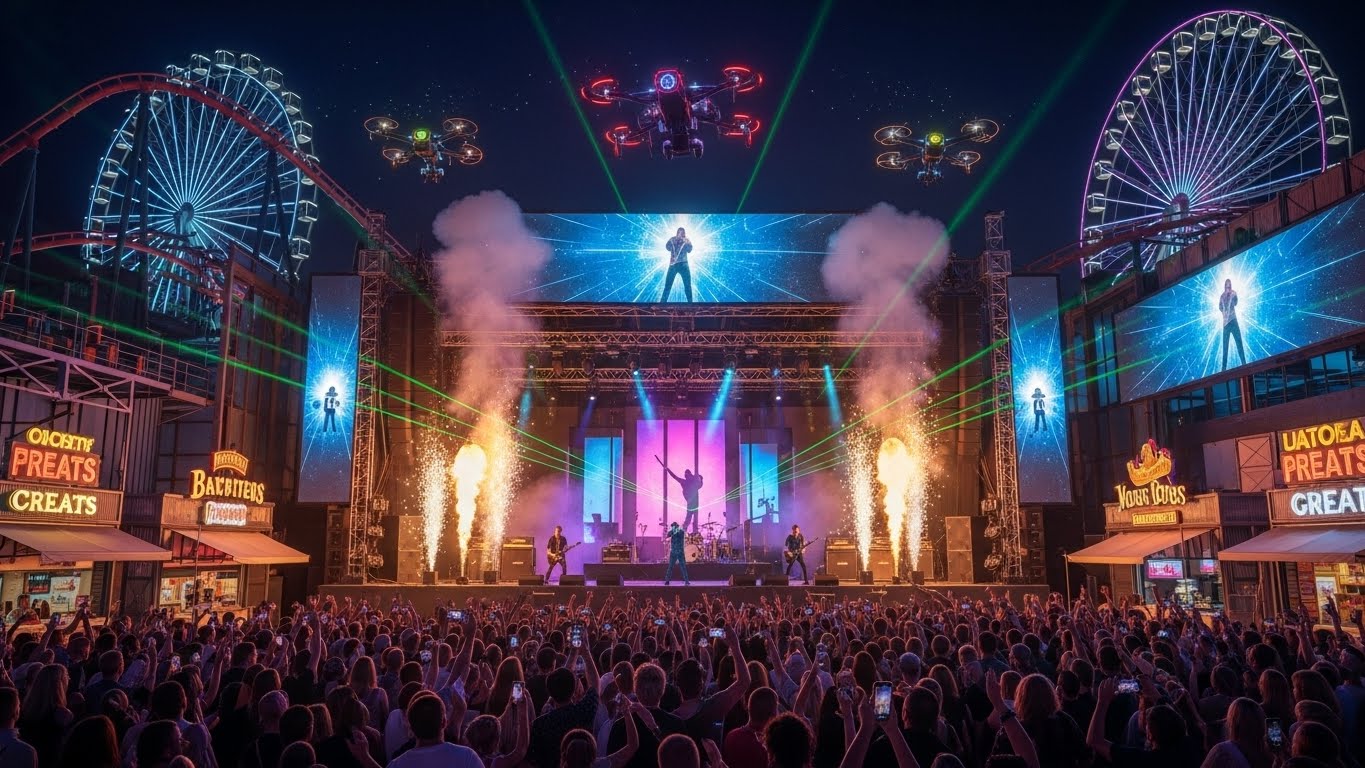
Digital platforms have revolutionized music consumption. Listeners can access millions of tracks on demand, create personalized playlists, and discover emerging artists worldwide. Social media and video-sharing platforms have also transformed music promotion, allowing independent musicians to reach global audiences without traditional industry support. Music festivals and live performances continue to thrive, providing immersive experiences that unite fans through shared energy and emotion.
Gaming: Entertainment as an Interactive Experience
Gaming has grown from a niche hobby into a mainstream form of entertainment, attracting millions of players globally. Modern video games offer rich narratives, stunning graphics, and interactive gameplay that immerse players in virtual worlds. Unlike passive forms of entertainment, gaming allows participants to influence outcomes, solve challenges, and engage socially with others.
Esports, the competitive side of gaming, has become a global phenomenon. Professional gamers compete in tournaments with audiences rivaling those of traditional sports. Gaming communities also thrive online, connecting players across continents through shared interests. The interactive nature of gaming makes it a unique form of entertainment, blending creativity, strategy, and social interaction.
The Influence of Social Media and Digital Content
Social media platforms have transformed entertainment from a one-way experience to a participatory culture. Short videos, live streaming, and user-generated content allow audiences to interact with creators in real-time, shaping trends and influencing popular culture. Viral content spreads rapidly, demonstrating the power of digital communities in defining what is entertaining at any given moment.
Digital entertainment also blurs the line between creator and consumer. Platforms enable anyone to become a content creator, turning hobbies into careers and audiences into active participants. This democratization fosters diversity, innovation, and cultural exchange, making entertainment a more inclusive and dynamic space.
The Psychology of Entertainment: Why We Seek Escape
Entertainment fulfills more than just a need for amusement; it addresses deep psychological and emotional needs. Humans naturally seek experiences that provide pleasure, relief from stress, and a sense of connection. Stories, music, and games allow people to explore emotions, experiment with scenarios, and gain perspective on their own lives.
Escapism is a key aspect of entertainment. Movies, series, and immersive games offer temporary reprieves from everyday challenges, providing relaxation and mental stimulation. Humor, suspense, and drama trigger emotional responses that can be both cathartic and transformative. Entertainment also fosters social bonds, as shared experiences create conversations, memories, and cultural touchstones that connect individuals across generations and geographies.
Future Trends in Entertainment
The future of entertainment promises even more innovation and transformation. Emerging technologies like virtual reality, augmented reality, and artificial intelligence will continue to reshape how content is created and consumed. Immersive experiences, interactive narratives, and personalized content will become increasingly sophisticated, blurring the line between reality and imagination.
Sustainability and social responsibility are also becoming important considerations in entertainment. Audiences are more conscious of representation, diversity, and ethical practices in production. This shift is encouraging creators and platforms to adopt inclusive and mindful approaches to storytelling and engagement.
Conclusion: Entertainment as a Reflection of Humanity
Entertainment is more than just diversion; it is a reflection of humanity’s creativity, curiosity, and desire for connection. It evolves with society, technology, and culture, shaping and reflecting our shared experiences. From the first stories told around firelight to the immersive worlds of virtual reality, entertainment continues to inspire, challenge, and delight.
In an age of rapid change, entertainment remains a constant companion, reminding us of our capacity to imagine, feel, and connect. Whether through movies, music, games, or digital content, the essence of entertainment lies in its ability to transform ordinary moments into extraordinary experiences. As the landscape of entertainment continues to evolve, it will remain a vital and enriching part of human life, inviting each of us to explore new horizons and celebrate the joy of being entertained.