Entertainment has always been a fundamental part of human life. From ancient performances in amphitheaters to the latest blockbuster movies, from folk stories passed down through generations to digital content shared across social media platforms, entertainment has continually evolved, adapting to technological advancements and changing societal needs. In this post, we explore the profound role entertainment plays in shaping culture, connecting people, and influencing emotions, and how it remains at the core of human existence despite the challenges of the modern world.
The Roots of Entertainment: Ancient Traditions and Rituals
Entertainment, in its earliest forms, was deeply intertwined with culture and social rituals. Long before the advent of cinema or television, people gathered in communities to partake in performances, storytelling, music, and dance. Theaters in ancient Greece and Rome were not merely places of entertainment; they were central to social discourse, with plays that often examined philosophical, political, and moral themes. These performances were a way to reflect the complexities of life, bringing the community together to discuss important issues while also offering laughter and relief.
Similarly, indigenous cultures across the world used storytelling, music, and dance not only as entertainment but as a means of preserving history, passing down knowledge, and connecting with ancestors. For these cultures, entertainment was more than just a way to escape; it was an integral part of how people understood their identity, their beliefs, and their place in the world.
The Birth of Modern Entertainment: From Vaudeville to Hollywood
The 19th and early 20th centuries saw the emergence of modern entertainment as we know it today. As industrialization progressed and technology advanced, the avenues through which people could access entertainment expanded exponentially. The rise of the theater, radio, and cinema began to change the face of entertainment forever.
The vaudeville stage became an important part of American culture during the late 1800s and early 1900s, offering a variety show of music, comedy, and skits to a wide audience. Vaudeville performers like Charlie Chaplin, Buster Keaton, and other silent film stars would eventually transition to cinema, helping to shape the early days of Hollywood.
The birth of Hollywood in the early 20th century marked the beginning of an entertainment revolution. The creation of major film studios, the development of sound technology, and the rise of silent films that would eventually give way to “talkies” changed the way people consumed entertainment. Films quickly became one of the most powerful forms of entertainment, reaching audiences all over the world and establishing Hollywood as the epicenter of the entertainment industry.
The influence of cinema grew as it reflected and shaped societal trends, political ideologies, and cultural norms. Classic films like Gone with the Wind, Casablanca, and Citizen Kane were not just stories; they were reflections of the time in which they were made and offered audiences a window into the lives of others, both real and imagined.
The Rise of Television and the Digital Age
By the mid-20th century, television became a household staple, offering people a new way to experience entertainment in their own homes. The golden age of television saw the launch of iconic series like I Love Lucy, The Twilight Zone, and The Ed Sullivan Show, which became cultural touchstones. Television was no longer just a box in the corner of the living room; it was the primary source of entertainment for millions of people. It allowed people to connect with global events, witness world-changing moments, and follow serialized stories that left a lasting imprint on their lives.
With the advent of cable television in the 1980s, and eventually the rise of satellite and satellite TV networks, television became even more diverse. Channels such as HBO, MTV, and CNN revolutionized entertainment by offering niche content tailored to specific interests. This period saw the explosion of new formats, including reality television, talk shows, and cable drama series, which further diversified the entertainment landscape.
In the late 20th and early 21st centuries, the advent of the internet and digital technology led to a new era in entertainment. Streaming platforms like Netflix, YouTube, and Spotify allowed people to access movies, TV shows, and music on-demand, reshaping the entertainment industry in profound ways. The rise of the smartphone and the increasing integration of social media into daily life further changed how people consume entertainment. No longer bound to television or movie theaters, audiences could now enjoy content at any time, from anywhere.
The Globalization of Entertainment: Cultural Exchange in a Digital World
As the digital age progressed, entertainment also became increasingly globalized. Thanks to the internet, cultural boundaries became more porous, allowing audiences worldwide to access films, music, and television from different countries. What was once considered niche or regional content has found global success, and local entertainment industries have flourished in new ways.
For example, K-pop, a genre of music originating in South Korea, has garnered a global fanbase thanks to the reach of platforms like YouTube and social media. Bollywood, India’s film industry, has expanded its influence worldwide, reaching audiences from Africa to Latin America. Television shows like Game of Thrones and Stranger Things have brought people from different cultural backgrounds together, as global audiences enjoy the same entertainment experiences and participate in global conversations around these shows.
The digitalization of entertainment has also allowed for cross-cultural collaborations. Artists, filmmakers, and musicians from different parts of the world are now able to collaborate seamlessly, giving rise to unique hybrids of genres and styles. This blending of cultures has enriched the global entertainment landscape, creating new forms of artistic expression that may not have existed in the pre-internet world.
The Changing Face of Live Entertainment
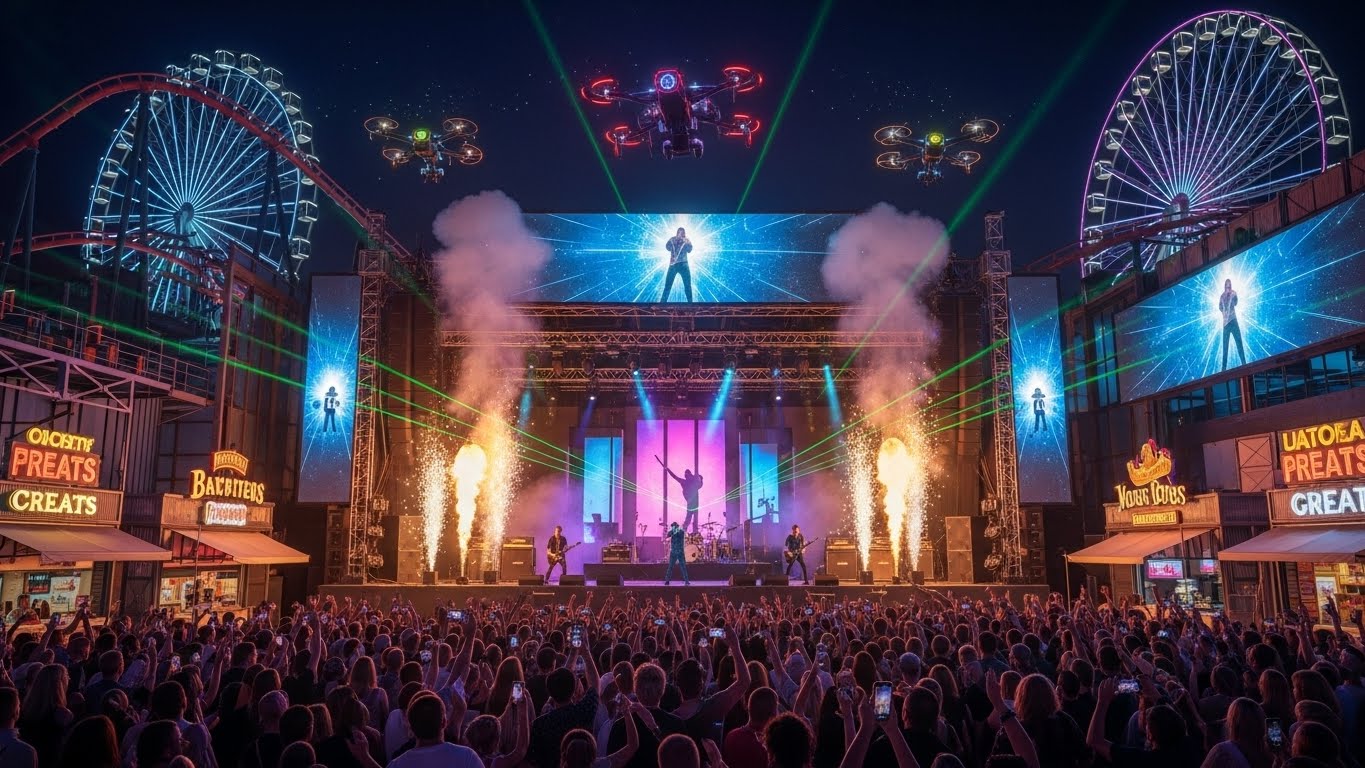
While streaming and digital content have become the dominant form of entertainment, live entertainment continues to hold a special place in people’s hearts. Concerts, theater performances, live sports events, and stand-up comedy shows provide audiences with the unique opportunity to engage in entertainment in real-time. The energy of a live performance, whether it’s a concert by your favorite band or watching a Broadway show, offers something that cannot be replicated through a screen.
In recent years, the experience of live entertainment has been augmented by technology. Virtual concerts and live-streamed events allow people to attend performances from the comfort of their homes. On the other hand, augmented reality (AR) and virtual reality (VR) are providing new ways to experience live performances, enabling audiences to immerse themselves in an experience that was once unimaginable.
The advent of esports, the professional competitive video gaming industry, has also redefined what it means to enjoy live entertainment. Esports events attract millions of viewers, both online and in-person, who watch professional gamers compete in high-stakes tournaments. This has introduced a new kind of live entertainment that blends gaming, social interaction, and competition.
The Power of Entertainment: Emotional Connection and Social Impact
Entertainment is not just about providing distraction; it also plays a crucial role in shaping emotions, attitudes, and beliefs. A well-crafted story, a powerful performance, or an engaging song can provoke deep emotional responses. Movies like Schindler’s List and 12 Years a Slave serve as poignant reminders of human history, evoking empathy and understanding while encouraging reflection. Similarly, music can serve as both a personal outlet and a collective experience, with songs acting as the soundtrack to personal milestones, struggles, and celebrations.
In addition to its emotional impact, entertainment can be a powerful vehicle for social change. Documentaries, films, and television programs can spotlight social issues, raise awareness, and challenge the status quo. Over the years, entertainment has been at the forefront of movements for civil rights, gender equality, and environmentalism, providing a platform for marginalized voices and galvanizing public opinion.
Social media has amplified the reach of entertainment, allowing for a quicker and broader dissemination of messages. Celebrities, influencers, and content creators are using their platforms to raise awareness for important causes, offering their followers opportunities to become more socially and politically engaged.
The Future of Entertainment: Innovation and Change
As we look toward the future, the entertainment landscape will continue to evolve. New technologies such as artificial intelligence, machine learning, and holography will open up new possibilities for how we create and consume entertainment. Interactive storytelling, where the audience can actively influence the narrative, is already becoming a reality with video games, and we may soon see similar innovations in film and television.
At the same time, the lines between different forms of entertainment will blur even further. Streaming platforms are already combining elements of film, television, gaming, and music, creating hybrid experiences that offer unprecedented ways to interact with content. The rise of virtual reality and augmented reality also holds the promise of bringing more immersive entertainment experiences to audiences, allowing them to become active participants rather than passive consumers.
Ultimately, the future of entertainment lies in its ability to adapt to new technologies, but also in its capacity to connect people across cultures, experiences, and emotions. No matter how much the medium changes, entertainment will continue to play an essential role in helping people to understand the world around them, express their creativity, and find joy in shared experiences.
Conclusion
Entertainment is more than just a form of leisure or distraction; it is an essential part of human life that shapes culture, connects people, and fosters emotional growth. From its ancient origins to the digital revolution, entertainment has evolved to meet the needs of society, offering a wide array of experiences that continue to captivate audiences worldwide. As new technologies continue to emerge, we can only imagine how entertainment will continue to shape our world, but one thing is certain: it will always be a central part of what it means to be human.