
Introduction
Entertainment has always been a vital part of human life. It is not merely a pastime or a way to escape reality; it is a reflection of culture, a tool for emotional connection, and a way to explore imagination. From ancient storytelling traditions and classical music performances to modern cinema and immersive video games, humans have always sought ways to express creativity and share experiences.
In the contemporary era, entertainment has evolved into a vast and dynamic industry, encompassing films, television, music, gaming, social media, and live performances. Advancements in technology and shifts in audience behavior have transformed the way people consume and engage with content. This blog explores the evolution of entertainment, its impact on society, and why it remains an indispensable aspect of human life.
The Evolution of Storytelling
At the core of entertainment is storytelling. For thousands of years, humans have relied on stories to communicate ideas, preserve history, and inspire others. Ancient myths, folktales, and epic poems laid the foundation for modern narratives, capturing human imagination and emotions.
Today, storytelling has become increasingly complex and immersive. Films and television shows feature multi-layered plots, in-depth character development, and extended story arcs that span seasons or interconnected cinematic universes. This level of depth allows audiences to engage more deeply with the content, creating a stronger emotional connection.
Video games have taken storytelling to a new level by allowing players to influence the narrative through their choices. This interactive approach transforms audiences from passive observers to active participants, making entertainment more personal and memorable. In essence, storytelling has evolved from a simple means of communication into an interactive, emotionally rich experience.
Entertainment as a Universal Language
One of the most remarkable aspects of entertainment is its ability to transcend cultural and linguistic barriers. Music, films, and online content can resonate with audiences worldwide, regardless of language or geography. A song released in one country can become a global sensation, and a foreign film can evoke deep emotions in viewers on the other side of the planet.
This universal appeal enables entertainment to create shared experiences across diverse communities. People from different cultures can enjoy the same music, discuss popular films, or participate in global trends, fostering understanding and empathy. Entertainment acts as a bridge, connecting people and allowing them to celebrate both similarities and differences, creating a sense of global unity.
The Digital Revolution in Entertainment
Digital technology has completely transformed the way audiences consume and engage with entertainment. Streaming platforms, social media, and mobile devices have given people the ability to access content anytime, anywhere. Traditional barriers, such as scheduled television broadcasts or physical media, no longer constrain viewers, allowing them to binge-watch series, listen to music on demand, or explore thousands of videos at their convenience.
Digital technology has also enabled personalized entertainment experiences. Algorithms analyze user behavior to recommend content tailored to individual preferences, making the experience more engaging. Additionally, digital platforms have democratized content creation, allowing independent creators to reach global audiences without relying on traditional media channels. This has expanded diversity in entertainment, giving voice to perspectives and stories that were previously underrepresented.
Gaming: A Cultural Phenomenon
Gaming has evolved into one of the most influential forms of modern entertainment. What was once a niche hobby has become a mainstream cultural force. Modern video games offer immersive experiences with sophisticated graphics, interactive gameplay, and compelling narratives that rival films in complexity and emotional impact.
The social aspect of gaming has also contributed to its widespread appeal. Multiplayer games allow players to connect with others across the globe, fostering friendships, teamwork, and competition. Esports has grown into a professional industry, drawing millions of viewers to tournaments and offering career opportunities for skilled players. Gaming is no longer just a pastime; it has become a medium of storytelling, social interaction, and cultural significance.
Social Media and the Rise of Everyday Creators
Social media has fundamentally transformed entertainment by enabling ordinary individuals to become creators and influencers. Platforms for short videos, live streaming, and creative content allow users to reach millions of viewers, making entertainment interactive and participatory.
Authenticity drives the appeal of social media content. Audiences are drawn to real stories, humor, and relatable experiences. Influencers shape trends in fashion, music, lifestyle, and even social behavior, redefining what it means to entertain in the modern era. Social media blurs the line between creators and consumers, creating a dynamic, interactive form of entertainment that engages people in unprecedented ways.
Music: The Heartbeat of Human Emotion
Music is one of the most timeless and universal forms of entertainment. Its ability to evoke emotion, tell stories, and connect people across cultures is unmatched. Today, streaming platforms allow artists to reach global audiences instantly, resulting in cross-cultural collaborations and the fusion of different musical styles.
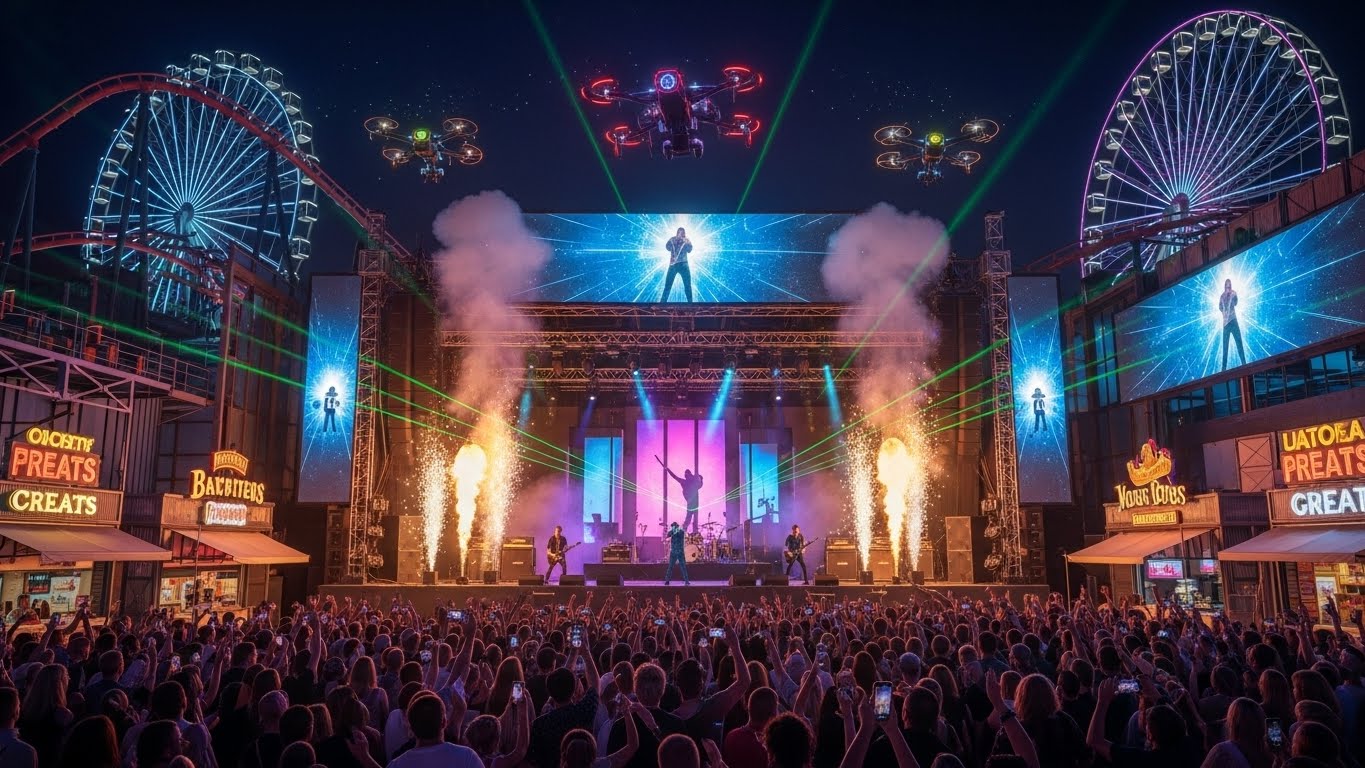
Music also plays a crucial role in personal expression and identity. People use music to express emotions, cope with challenges, and celebrate life’s moments. Live concerts, festivals, and virtual performances provide communal experiences, bringing people together to celebrate creativity and culture. Music continues to evolve, reflecting societal changes while maintaining its timeless appeal.
The Power of Nostalgia in Entertainment
Nostalgia holds a unique place in modern entertainment. Revisiting favorite childhood shows, remaking classic films, or reimagining old songs evokes memories and emotions that resonate deeply with audiences. Nostalgia provides comfort, joy, and a sense of continuity in an ever-changing world.
Modern creators often blend nostalgia with innovation, offering experiences that appeal to both older audiences who remember the originals and younger generations discovering them for the first time. This balance of familiarity and novelty enhances engagement and deepens the emotional connection audiences feel with entertainment.
Entertainment as a Cultural Influencer
Entertainment has a profound impact on culture and society. It shapes fashion, language, social behavior, and even public opinion. Celebrities, fictional characters, and online influencers inspire lifestyle choices, guide trends, and influence social norms.
Beyond trends, entertainment has the power to educate and inspire. Documentaries, socially conscious films, and narrative-driven content can raise awareness of important issues, encourage empathy, and prompt action. Entertainment is not merely diversion—it is a reflection of societal values and a vehicle for cultural expression.
The Future of Entertainment
The future of entertainment promises even greater innovation and immersion. Emerging technologies such as virtual reality, augmented reality, and artificial intelligence will allow audiences to interact with content in ways that were previously unimaginable. Films may adapt to viewers’ choices, virtual concerts could replicate the energy of live performances, and AI-generated content may tailor stories to individual emotions.
Audiences will continue to demand inclusivity, authenticity, and interactivity, driving creators to experiment with new formats and creative approaches. Entertainment will continue to evolve, remaining a mirror of society, a source of inspiration, and a platform for imagination and connection.
Conclusion
Entertainment is more than a source of amusement—it is a fundamental part of human life. It connects people, shapes culture, and reflects the creativity, values, and emotions of society. From immersive storytelling and gaming to music, social media, and nostalgic revivals, entertainment continues to evolve while remaining deeply meaningful.
It influences identity, guides trends, and fosters shared experiences that bring people together. In a fast-paced, ever-changing world, entertainment provides joy, inspiration, and connection. As technology and creativity advance, it will continue to enrich lives, inspire imagination, and shape society for generations to come.