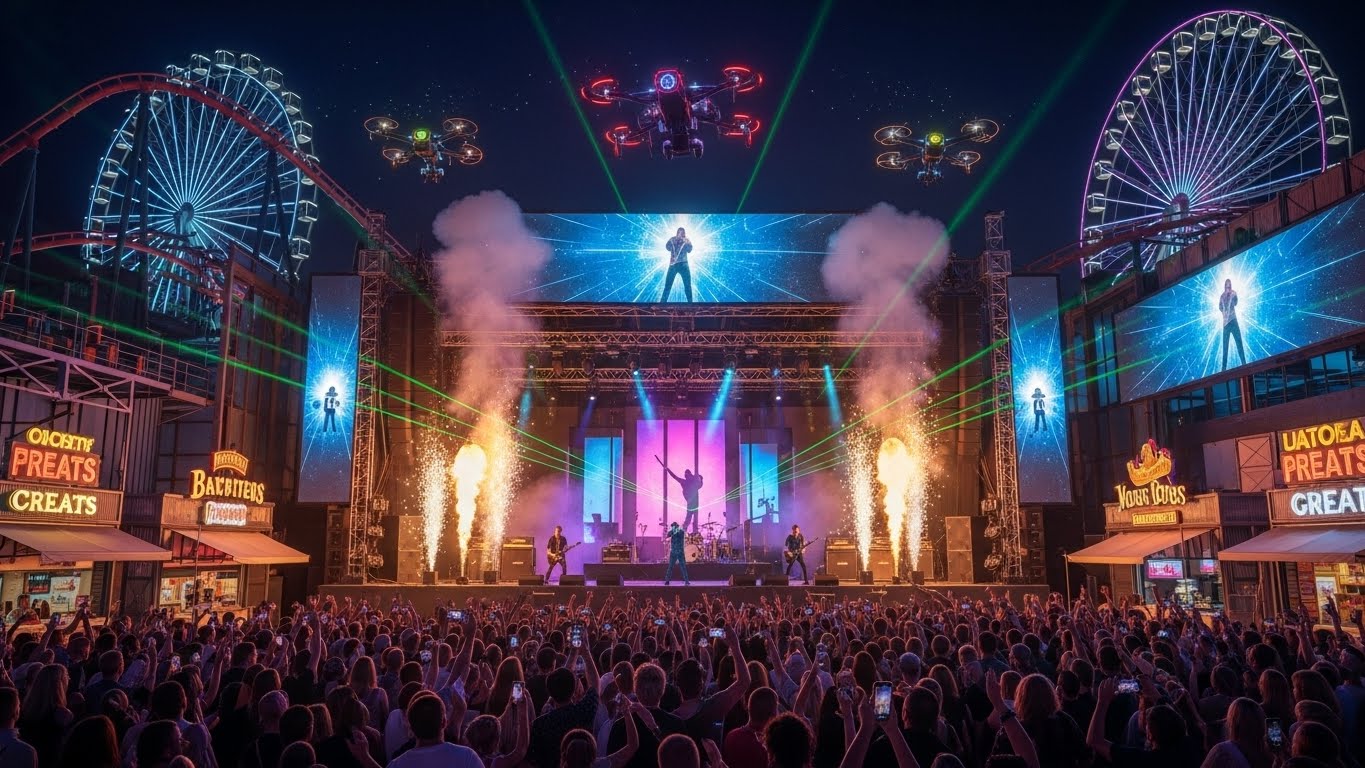
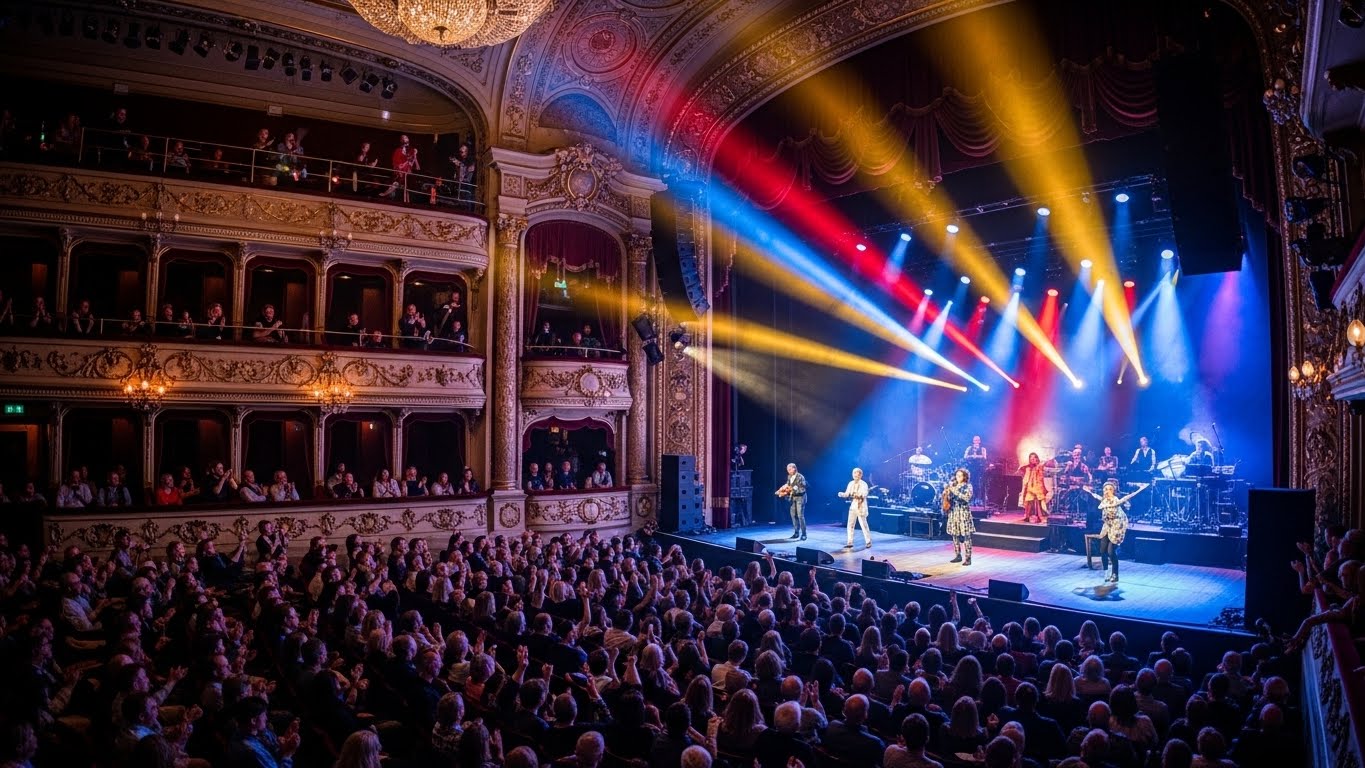
Entertainment has always been an integral part of human life, offering people an escape from the mundane and a window into different worlds. From ancient storytelling around campfires to the rise of modern cinema and digital platforms, the landscape of entertainment has continually evolved. Today, we find ourselves at the crossroads of unprecedented technological advancements, shifting cultural norms, and an ever-expanding range of entertainment options. In this blog post, we will explore the fascinating journey of entertainment, how it’s shaped by modern trends, and what the future holds for this dynamic industry.
The Early Beginnings of Entertainment: From Oral Traditions to the Stage
The origins of entertainment can be traced back to humanity’s earliest days. Long before the invention of written language or recorded media, people used storytelling as a way to communicate, educate, and entertain. Oral traditions, passed down through generations, were the primary means of preserving culture and history.
Ancient civilizations like the Greeks, Romans, and Egyptians created live performances that served both as entertainment and cultural expression. Greek theatre, for instance, gave birth to dramatic arts, with playwrights like Sophocles and Euripides creating works that are still studied today. Similarly, the Romans popularized spectacles like gladiatorial combat and chariot races.
However, it wasn’t until the development of the printing press in the 15th century and the subsequent rise of mass media that entertainment began to take on more formalized and commercialized forms. The printing press made literature more accessible, and the rise of newspapers and books led to a flourishing of literary entertainment that spanned the globe.
The Birth of Modern Entertainment: The Rise of Cinema and Radio
The early 20th century saw the emergence of entertainment as we know it today. The invention of cinema brought storytelling to the masses on an entirely new scale. Filmmakers like Charlie Chaplin, Orson Welles, and Alfred Hitchcock revolutionized visual storytelling, creating iconic films that would become a part of the cultural lexicon. The silent film era, followed by the introduction of sound, gave rise to Hollywood as the epicenter of global entertainment.
The rise of radio in the 1920s further transformed the entertainment landscape. Families would gather around the radio to listen to their favorite shows, dramas, and music broadcasts. Radio provided an affordable and convenient means of staying connected to the world, and it served as a precursor to the modern entertainment experiences we now take for granted.
The Golden Age of Television: Shaping Popular Culture
With the advent of television in the 1950s, entertainment underwent yet another monumental shift. The television set quickly became a fixture in homes across the globe, giving rise to a new form of mass entertainment. Shows like “I Love Lucy,” “The Twilight Zone,” and “The Ed Sullivan Show” became cultural touchstones, influencing the way people thought, behaved, and even dressed.
Television not only brought entertainment into the home but also introduced the idea of scheduled programming, leading to the creation of prime-time television and the rise of advertising as a major force in shaping content. The Golden Age of television also saw the rise of iconic characters and stars—names like Marilyn Monroe, James Dean, and John Wayne became synonymous with the larger-than-life figures depicted on screen.
The Digital Revolution: The Impact of the Internet and Streaming Services
The late 20th and early 21st centuries ushered in the digital age, which revolutionized entertainment in ways that no one could have anticipated. The internet allowed for the rapid distribution of content, and streaming services like Netflix, Hulu, and Spotify gave consumers more control over what they watched, when they watched it, and how they consumed it. No longer were people bound by network schedules or physical media like VHS tapes and CDs; now, everything was available at the click of a button.
The shift to digital entertainment has also democratized content creation. Platforms like YouTube, TikTok, and Twitch have empowered a new generation of creators to produce and share their work, bypassing traditional gatekeepers like film studios and television networks. This has given rise to a massive online entertainment ecosystem, where everything from short videos to long-form documentaries and live-streamed events can be consumed by anyone, anywhere.
Moreover, the internet and social media have had a profound impact on how people engage with entertainment. Fans now have the ability to interact with their favorite stars directly, sharing their thoughts and opinions on platforms like Twitter and Instagram. This has given rise to “fan culture,” where communities form around shared interests, from specific television shows and movies to video games and music genres.
The Rise of Interactive Entertainment: Video Games and Virtual Reality
While passive forms of entertainment, such as watching movies or listening to music, continue to dominate, interactive entertainment has seen a massive rise in recent years. Video games, once considered a niche hobby, are now a multibillion-dollar industry that rivals the film and music industries in size and cultural impact. With immersive storytelling, stunning graphics, and increasingly sophisticated gameplay, video games have evolved into complex, interactive experiences that captivate audiences across age groups.
The development of virtual reality (VR) and augmented reality (AR) technologies is pushing the boundaries of interactive entertainment even further. VR headsets and AR devices allow users to step into entirely new worlds, experiencing entertainment in a way that was once unimaginable. Whether it’s gaming, virtual tourism, or immersive live performances, VR and AR are providing new ways to engage with stories and experiences.
The gaming industry’s influence extends beyond the screen, as esports has become a major form of entertainment in its own right. Esports tournaments attract millions of viewers worldwide, and professional gamers have emerged as global celebrities. With the continued development of online multiplayer games and virtual worlds, gaming is set to remain a dominant force in the entertainment industry for the foreseeable future.
The Future of Entertainment: Trends to Watch
As we look to the future of entertainment, several emerging trends are worth noting. One of the most significant is the continued advancement of artificial intelligence (AI) and machine learning, which have the potential to reshape how entertainment is produced, distributed, and consumed. AI is already being used in areas like content recommendation algorithms, scriptwriting, and even creating deepfake videos. As AI technology continues to improve, it could lead to more personalized entertainment experiences, with content tailored specifically to individual preferences.
Another trend to watch is the growth of immersive experiences, both in gaming and beyond. As VR and AR technology become more accessible, we can expect entertainment to become even more interactive, with users taking an active role in shaping the stories they engage with. Imagine a concert where the audience controls the visuals, or a movie where you can alter the storyline in real-time. The possibilities are endless, and the future of entertainment will likely be defined by experiences that blur the line between reality and fiction.
Moreover, sustainability and social responsibility are becoming increasingly important to consumers, and the entertainment industry is no exception. From eco-friendly film productions to initiatives promoting diversity and inclusion, the demand for socially conscious entertainment is growing. As consumers become more mindful of the impact their choices have on the world, we can expect to see an increased emphasis on sustainability and ethical practices in the industry.
The Changing Landscape of Celebrity and Influencer Culture
The rise of social media and platforms like Instagram, TikTok, and YouTube has given rise to a new generation of influencers, who are reshaping the concept of celebrity. Rather than relying on traditional routes like film and television, these influencers have built massive followings through their own unique brands and content. This shift has democratized fame, allowing people from all walks of life to achieve celebrity status, often through a combination of humor, authenticity, and relatability.
This trend has led to a shift in the way we view entertainment and celebrity culture. Traditional movie stars and musicians are no longer the only celebrities who can command massive fan bases. Instead, influencers and digital content creators are becoming the new icons, shaping trends, and defining popular culture in real-time.
Conclusion: Entertainment in the 21st Century and Beyond
The entertainment industry has come a long way since its humble beginnings. From storytelling around the campfire to the rise of cinema, television, digital platforms, and interactive experiences, entertainment continues to evolve in exciting and unexpected ways. As technology advances and new forms of media emerge, we can only imagine the innovations that lie ahead.
What remains constant, however, is the human desire for connection, escape, and joy. Whether it’s through a compelling story, an immersive game, or a live concert experience, entertainment offers something for everyone. And as we look to the future, one thing is certain: the world of entertainment will continue to surprise, inspire, and delight us for generations to come.
In this ever-changing landscape, it’s up to us, the consumers and creators, to shape the future of entertainment, ensuring that it remains as dynamic, diverse, and transformative as ever. The best is yet to come.