Introduction: The Universal Language of Joy
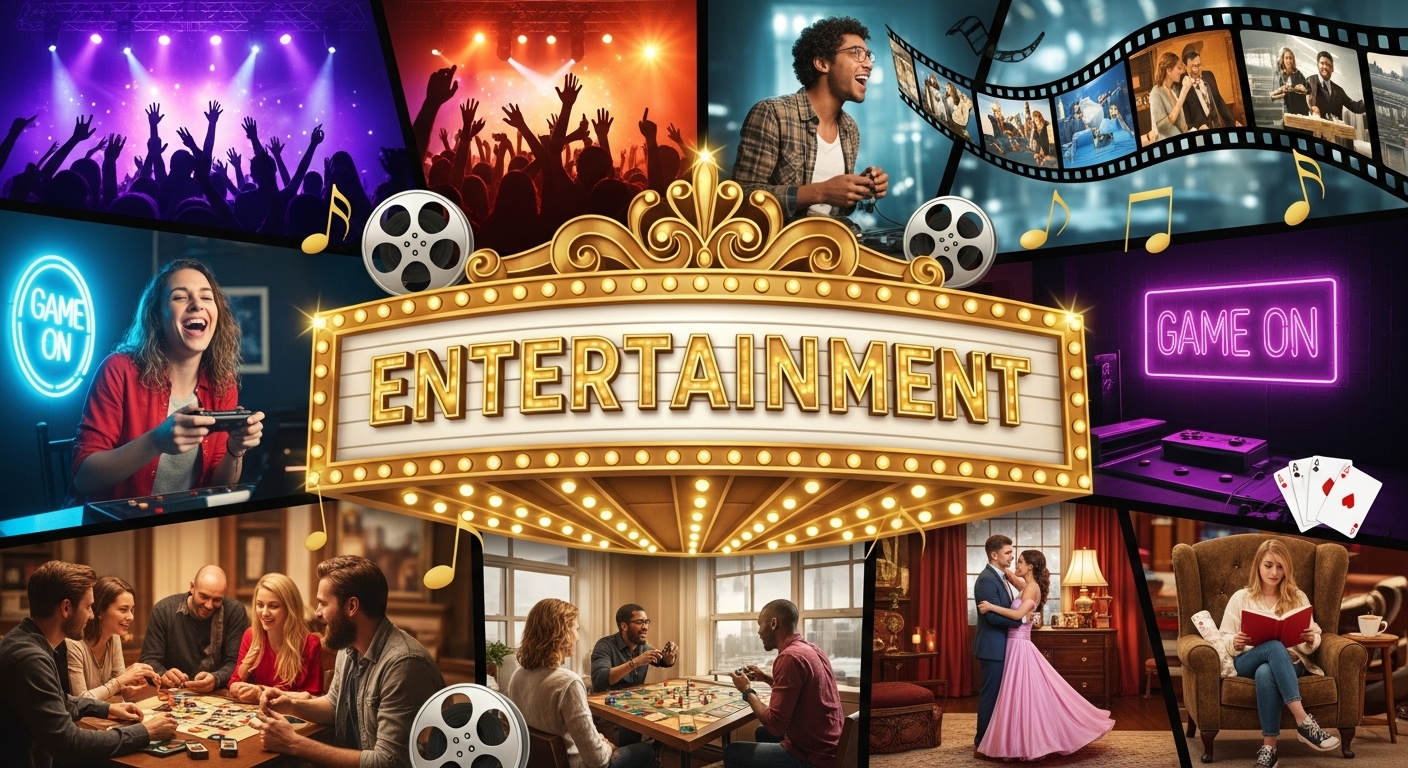
Entertainment is one of the most powerful and universal aspects of human existence. It transcends cultures, languages, and generations, uniting people through laughter, music, stories, and emotions. From ancient times when people gathered around fires to share tales, to the modern era of streaming platforms and digital media, entertainment has evolved into an expansive industry that touches nearly every part of life. It is no longer limited to movies, music, or theater—it now encompasses online content, gaming, virtual events, and even social media interactions. This blog explores how entertainment has changed throughout history, its influence on society, and what the future holds for this ever-evolving industry.
The Origins of Entertainment: From Rituals to Storytelling
Entertainment has existed for as long as humans have had imagination. In early civilizations, people sought joy and connection through rituals, dances, and music. Ancient Egyptians performed plays and songs during festivals, while Greek tragedies and comedies laid the foundation for modern theater. Storytelling was among the earliest forms of entertainment, with oral traditions passing down myths and legends that explained the mysteries of life and nature. These stories not only entertained but also educated, shaping cultural identity and values.
As societies developed, so did their means of entertainment. The Romans introduced grand spectacles in their amphitheaters, featuring gladiator battles and chariot races that drew thousands of spectators. In medieval Europe, minstrels, jesters, and traveling performers entertained kings and commoners alike. By the Renaissance, entertainment had become a more organized art form with theater productions, musical compositions, and literature flourishing across the continent. It was during this time that creativity and performance began to be recognized as professions, paving the way for the global entertainment industry we know today.
The Birth of Modern Entertainment: Stage, Film, and Radio
The 19th and early 20th centuries marked a revolution in entertainment. The invention of electricity, photography, and sound recording transformed the way stories were told. Theatrical performances evolved into musicals and operas, and new forms of entertainment such as circuses and vaudeville became popular among audiences of all classes. The introduction of film in the late 1800s was a turning point that redefined global entertainment forever.
Silent films like The Great Train Robbery and Nosferatu captured the imagination of audiences worldwide. By the 1920s, the addition of sound created a new era in cinema, giving rise to Hollywood and the global movie industry. Films became more than stories—they became experiences that transported audiences to other worlds. Stars such as Charlie Chaplin and Greta Garbo became cultural icons, and the film industry quickly grew into one of the world’s most influential forces.
Meanwhile, radio emerged as the first medium to connect people across distances in real time. Families gathered around radios to listen to news, music, and serialized dramas. It was through radio that mass communication and live entertainment truly began. This era laid the groundwork for television and the modern media landscape that followed.
Television Takes the Spotlight: The Era of Home Entertainment
The mid-20th century saw television become the centerpiece of entertainment. For the first time, people could enjoy moving pictures and sound in their own homes. Classic shows such as I Love Lucy, The Twilight Zone, and The Ed Sullivan Show became cultural phenomena, uniting families and communities around shared moments. Television not only entertained but also educated, introducing audiences to world events, science, and art.
The 1970s and 1980s brought color broadcasting, cable networks, and specialized channels that expanded the range of available programming. News networks, music channels, and sports broadcasting gave viewers more choices than ever. This period also marked the rise of global entertainment franchises, with shows and films gaining international fan bases. Television became a reflection of society, influencing fashion, politics, and cultural norms.
The Digital Transformation: Entertainment Goes Online
The arrival of the internet in the late 20th century revolutionized entertainment once again. The digital age reshaped how content was created, shared, and consumed. No longer bound by television schedules or movie theaters, audiences gained the freedom to choose what to watch and when. The shift from physical media like DVDs and CDs to digital streaming was one of the most significant transformations in the industry.
Streaming platforms brought movies, TV shows, and music directly to viewers, offering unlimited access to entertainment libraries. Audiences could binge-watch series, discover new music, and explore international content—all at the click of a button. This convenience gave rise to a new culture of on-demand entertainment that continues to shape consumer habits today.
Social media platforms further blurred the line between creators and audiences. Influencers, vloggers, and independent artists could now produce and share content globally without traditional gatekeepers like studios or record labels. The power of entertainment became decentralized, allowing anyone with talent and creativity to gain fame. Viral videos, online challenges, and memes became part of mainstream entertainment culture, reflecting a more interactive and participatory audience.
Gaming: The New Frontier of Immersive Entertainment
In the modern era, gaming has emerged as one of the most influential and profitable forms of entertainment. What began as simple pixelated games in arcades has evolved into expansive, interactive worlds that rival movies in storytelling and design. Video games now offer cinematic experiences, multiplayer competitions, and virtual communities that engage millions of players globally.
Games such as The Legend of Zelda, Call of Duty, and Fortnite have redefined entertainment by combining art, music, technology, and narrative. Esports tournaments draw millions of viewers, and professional gamers have become celebrities in their own right. Mobile gaming has made entertainment even more accessible, allowing people to play anytime, anywhere.
Gaming’s appeal lies in its interactivity. Unlike traditional media, games allow players to influence outcomes, shape stories, and connect with others. Virtual and augmented reality technologies are pushing these boundaries further, creating immersive experiences that blur the line between the digital and physical worlds.
Music and the Evolution of Sound Entertainment
Music has always been at the heart of human expression, and its evolution reflects the broader changes in entertainment. From live performances to vinyl records and digital streaming, music has adapted to every new technological innovation. The digital revolution made it easier for artists to reach global audiences without relying solely on record labels. Independent musicians now thrive on digital platforms, and collaborations across genres have become more common.
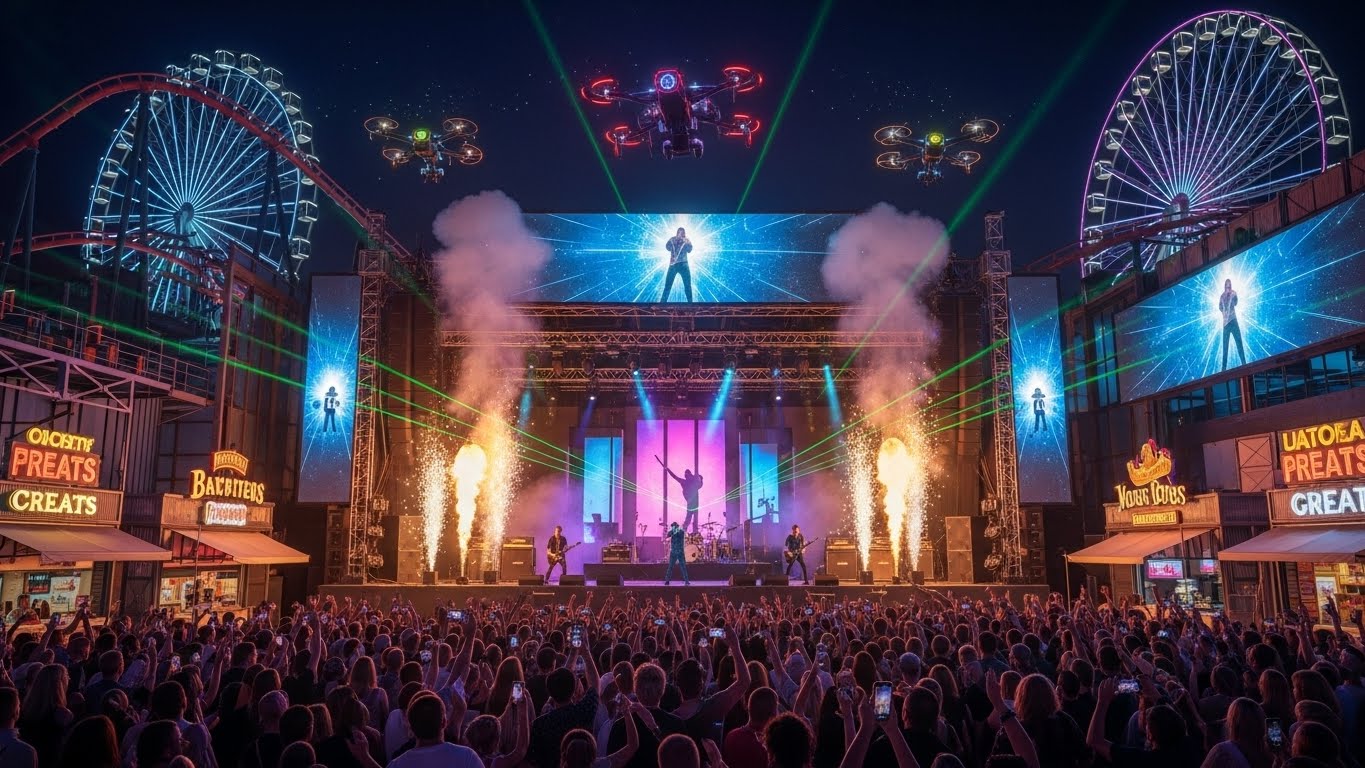
The concert experience, too, has transformed. With advanced lighting, sound design, and holographic performances, live shows have become visual spectacles that engage all the senses. Music festivals attract audiences from around the world, creating communities united by shared passion. Even during challenging times, virtual concerts and online performances have kept the music alive, proving that entertainment adapts even in adversity.
The Role of Entertainment in Society
Entertainment is more than just amusement—it plays a significant role in shaping culture, identity, and human connection. It reflects societal values, challenges norms, and often becomes a mirror of our collective consciousness. Movies and shows address issues like love, loss, politics, and justice, sparking conversations and inspiring change. Music and art bring comfort in difficult times, while comedy offers relief from everyday stress.
Moreover, entertainment has a powerful economic impact. The industry employs millions of people, from actors and musicians to writers, designers, and technicians. It drives innovation, influences marketing, and contributes to national economies. As entertainment continues to evolve, its influence on culture and society only grows stronger.
The Challenges of Modern Entertainment
While digitalization has expanded access to entertainment, it has also introduced new challenges. The abundance of content has created issues of overconsumption and reduced attention spans. Additionally, the entertainment industry faces problems such as piracy, misinformation, and ethical concerns around representation and diversity.
Another significant challenge is the pressure on creators to constantly produce new content to stay relevant. The rapid pace of social media trends means fame can be fleeting, with viral success lasting only a short time. This environment has made creativity both more democratic and more demanding, requiring balance between art and audience expectations.
The Future of Entertainment: Innovation and Immersion
Looking ahead, the future of entertainment promises even greater innovation. Technologies like virtual reality (VR), augmented reality (AR), and artificial intelligence (AI) are redefining how stories are told. VR offers immersive experiences that transport users into new worlds, while AI is being used to compose music, write scripts, and even generate digital characters.
Interactive entertainment will continue to grow, allowing audiences to participate in narratives and influence outcomes. The boundary between creator and consumer will blur further, giving rise to a new era of collaborative storytelling. Additionally, sustainability is becoming an important focus, with creators exploring eco-friendly production methods and virtual events that reduce environmental impact.
Conclusion: The Endless Journey of Entertainment
From ancient performances to digital screens, entertainment has always been at the heart of human experience. It has the power to inspire, unite, and transform societies. As technology continues to advance, the possibilities for entertainment are limitless. Whether through music, film, gaming, or digital art, the core purpose of entertainment remains unchanged—to bring people joy, connection, and meaning.
In this ever-changing world, entertainment will continue to adapt, surprise, and inspire. It reflects who we are and who we aspire to be, reminding us that no matter how advanced our world becomes, the human need for creativity and emotional connection will always remain the same.