
Introduction: The Ever-Expanding World of Entertainment
Entertainment has always played a central role in our lives, offering an escape from the everyday and a way to connect with culture, ideas, and emotions. Over the centuries, how we access and experience entertainment has transformed drastically. In the early days, entertainment was limited to live performances and local gatherings, but today, it spans across multiple mediums and technologies. From classic forms like television and cinema to newer platforms such as streaming services and virtual reality, the entertainment landscape is constantly evolving. This blog post explores the fascinating journey of entertainment and looks at some of the most notable trends shaping its future.
The Golden Age of Television: Where It All Began
Television, for decades, was the king of home entertainment. Families gathered around the TV in the evenings to watch their favorite shows, news broadcasts, and films. In the 1950s and 1960s, TV networks ruled, and shows like I Love Lucy and The Twilight Zone became cultural staples. The era of “appointment television” meant viewers had to adjust their schedules to catch a show at its scheduled time, a concept that seems almost outdated today.
For years, cable TV continued this tradition, offering a variety of channels and programs. However, as technology advanced, new methods of accessing content began to emerge. The limitations of traditional television began to show, and the rise of digital platforms opened up new possibilities for how and when we consume entertainment.
Streaming Services: The Game Changer in Entertainment Consumption
The most significant transformation in recent entertainment history has undoubtedly been the rise of streaming platforms. With services like Netflix, Amazon Prime, Disney+, and Hulu, audiences no longer have to rely on scheduled programming. The ability to watch movies, TV shows, and documentaries on-demand has fundamentally changed how we engage with content. This shift has also shifted the power dynamics of content creation. In the past, Hollywood studios and television networks held significant control over what was produced and who had access to it. Now, streaming giants have created opportunities for smaller, independent filmmakers and storytellers to get their content in front of global audiences.
Streaming has also introduced the concept of “binge-watching,” where entire seasons of TV shows are released all at once. This change has led to an intense, immersive viewing experience where fans can consume content at their own pace, sparking countless discussions on social media and changing the nature of fan engagement.
Interactive Entertainment: Video Games and Immersive Experiences
While passive forms of entertainment like movies and TV shows still hold a special place, interactive entertainment has gained immense popularity. Video games, once considered a niche hobby, have grown into a massive cultural force. In fact, video gaming has outpaced both the film and music industries in terms of revenue, making it one of the most lucrative forms of entertainment worldwide.
Games like Fortnite and Minecraft have redefined what it means to be entertained, offering virtual spaces where millions of people interact, collaborate, and compete in real time. The ability to create and explore interactive worlds has captured the imaginations of people of all ages.
Another breakthrough in interactive entertainment comes from virtual reality (VR) and augmented reality (AR). VR immerses users in completely digital worlds, where they can interact with their environment and characters. Meanwhile, AR blends the real world with digital elements, opening up entirely new ways of experiencing content. These technologies are already being used for gaming, but they hold the potential to revolutionize everything from concerts and theater performances to educational experiences and virtual travel.
Social Media as a Form of Entertainment
In recent years, social media platforms have evolved into significant sources of entertainment. Sites like TikTok, Instagram, YouTube, and Twitch have become cultural phenomena, providing millions of people with entertainment in the form of short videos, live streams, and user-generated content. These platforms allow users to become both creators and consumers of entertainment, blurring the line between professional and amateur content.
The appeal of social media entertainment lies in its accessibility and immediacy. Anyone with a smartphone can create content and share it with the world. TikTok, for instance, has given rise to viral challenges, dances, and memes that spread across the globe in mere days. Similarly, YouTube and Twitch have turned everyday people into stars, offering platforms for gaming, vlogging, cooking, and virtually every niche interest.
The influence of social media on entertainment has shifted away from traditional TV stars and movie actors to include influencers and content creators. These individuals have millions of followers who eagerly await their next post, making social media a powerful tool for both entertainment and marketing.
Music: A Timeless Source of Entertainment
Music has always been a vital part of entertainment, and even with the advent of new technologies, it remains at the core of the entertainment experience. Thanks to streaming platforms like Spotify and Apple Music, music is more accessible than ever before. Listeners can instantly explore millions of songs, albums, and playlists from artists all around the world, without the need to purchase physical records or rely on radio stations.
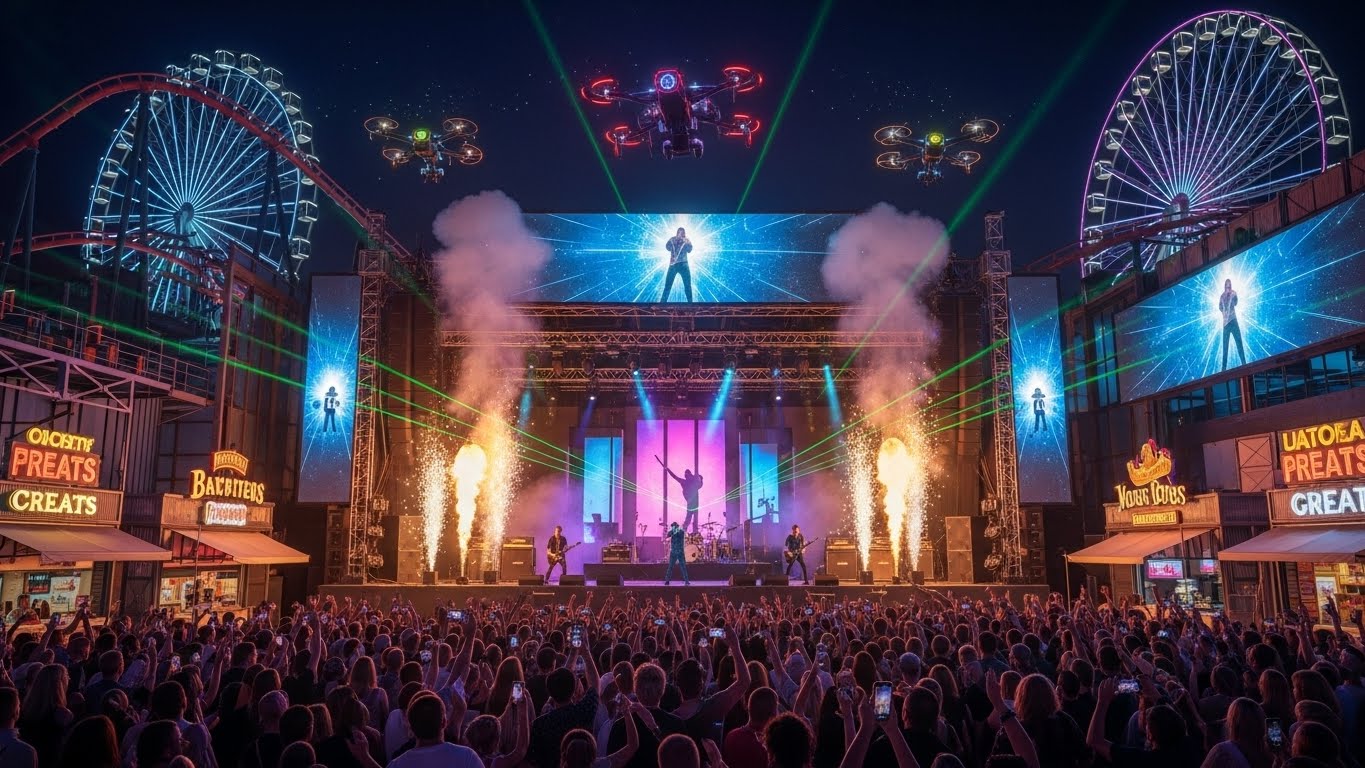
Live music performances, too, continue to be a dominant form of entertainment. The popularity of music festivals, such as Coachella and Glastonbury, illustrates how music brings people together in ways that are both communal and celebratory. In recent years, the COVID-19 pandemic pushed artists and organizers to experiment with virtual concerts, allowing fans to enjoy performances from the comfort of their homes. This has further demonstrated that entertainment can transcend physical boundaries.
The Future of Entertainment: Blurring Realities and New Innovations
As we look toward the future of entertainment, the possibilities seem limitless. Advancements in artificial intelligence (AI), machine learning, and blockchain technology are expected to redefine not just how we consume content but how it’s created. AI, for example, can already generate music, assist in writing scripts, and even create realistic CGI characters, opening new doors for creators and producers.
One of the most exciting developments is the idea of “mixed reality,” where physical and digital worlds merge seamlessly. Imagine attending a concert in a holographic environment or playing an interactive game that adapts to your actions in real-time. The lines between film, gaming, live performances, and social interaction will continue to blur, creating rich, immersive experiences that were once only imagined in science fiction.
Conclusion: Embracing Change in Entertainment
Entertainment has come a long way, and as technology continues to evolve, so will the ways in which we experience fun and excitement. The shift from traditional television to streaming, the rise of interactive gaming, and the integration of social media into our daily lives are just the beginning of a larger transformation. The entertainment industry will continue to innovate, offering fresh, dynamic experiences that challenge how we engage with content.
As we move forward, it’s important to stay open to these changes and appreciate how each advancement brings new opportunities for creativity and connection. The future of entertainment is bright, diverse, and full of endless possibilities, and it’s an exciting time to be a part of this ever-changing landscape.