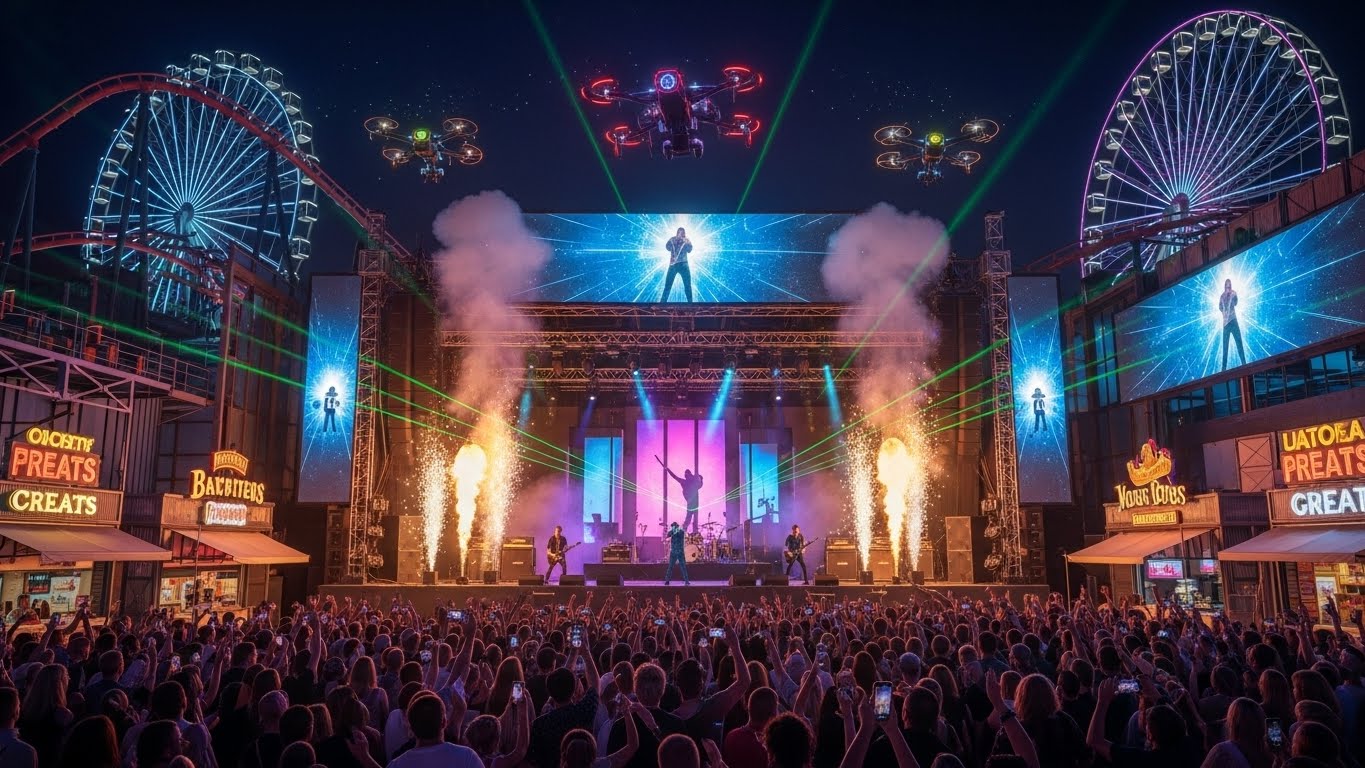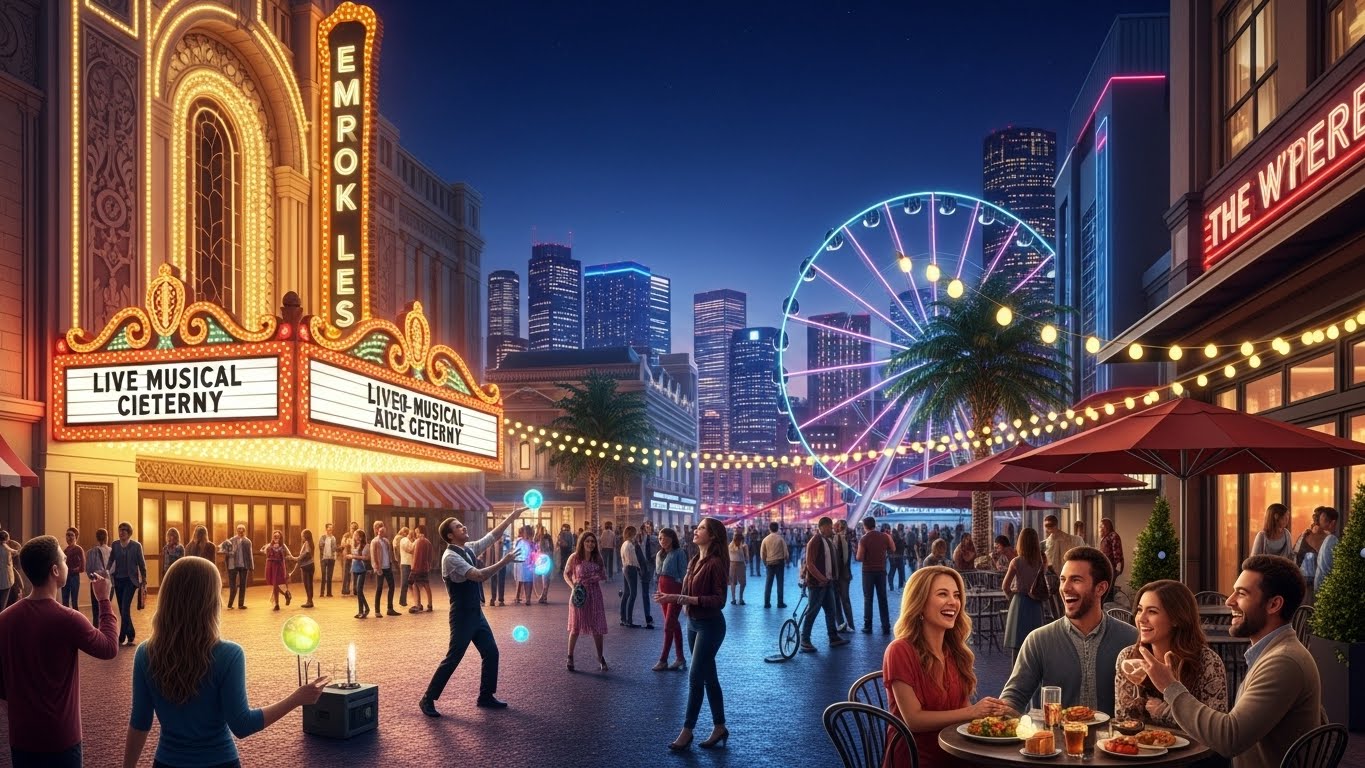

Entertainment has always been an essential part of human culture. From the early days of storytelling around campfires to the latest digital streaming platforms, the way we consume and engage with entertainment has undergone a massive transformation. What began as simple forms of enjoyment have evolved into a multi-faceted industry driven by technology, creativity, and global connectivity. This blog post explores the dynamic evolution of entertainment, highlighting key developments that have shaped our modern media landscape.
The Golden Age of Cinema: A Timeless Era
The entertainment world as we know it truly began to take shape during the early 20th century with the rise of cinema. Hollywood became the epicenter of movie production, and cinema theaters were the go-to places for people seeking entertainment. The 1920s and 1930s, often referred to as the “Golden Age of Hollywood,” saw the rise of iconic stars like Charlie Chaplin, Greta Garbo, and James Stewart. These films were marked by their timeless storytelling, lavish productions, and the introduction of sound in the late 1920s.
Movies were not just a pastime; they were an experience that transported audiences into worlds of fantasy, adventure, and drama. The cinematic masterpieces of the era laid the foundation for what would later become the sprawling and diverse entertainment industry we have today.
The Rise of Television: Bringing Entertainment to Your Living Room
The 1950s marked another pivotal moment in entertainment history with the rise of television. Families no longer had to go to movie theaters to enjoy high-quality entertainment. Instead, they could sit comfortably at home and watch shows, news, and movies broadcasted live into their living rooms.
Television quickly became a central part of daily life, and soon, iconic TV shows like I Love Lucy, The Twilight Zone, and The Ed Sullivan Show became part of pop culture. As the 20th century progressed, TV networks expanded, offering a variety of genres from sitcoms and dramas to reality shows and documentaries. The ability to access entertainment from the comfort of one’s home made TV a dominant force, changing how people consumed media.
The Digital Revolution: The Birth of the Internet and Streaming Platforms
The internet changed everything. By the late 1990s and early 2000s, the rise of the internet revolutionized the way people accessed entertainment. The days of renting VHS tapes or waiting for a weekly TV show to air were replaced by the instant availability of content online. Websites like YouTube allowed people to create and share videos with a global audience, while social media platforms connected fans directly to their favorite celebrities and influencers.
Streaming platforms like Netflix, Hulu, and later Disney+ transformed the entertainment industry, providing on-demand access to thousands of movies, TV shows, and exclusive original content. No longer confined to traditional schedules or formats, audiences could now curate their own viewing experience, binge-watching entire seasons of shows at their own pace.
The Social Media Era: A New Dimension of Entertainment
As digital technology evolved, so did the ways people engage with entertainment. Social media platforms like Instagram, Twitter, TikTok, and Snapchat have become not just spaces for personal communication, but vital tools for consuming entertainment. Celebrities, influencers, and content creators are now able to engage with fans directly, creating a new level of accessibility and interaction.
Social media platforms have also become entertainment in their own right. Short-form videos on TikTok have garnered millions of views, making everyday people into viral sensations. Memes, challenges, and user-generated content dominate the internet, creating new types of entertainment that didn’t exist a few decades ago. In this new landscape, everyone can be a creator, and everyone can be entertained, regardless of location or resources.
Virtual Reality and Gaming: The Next Frontier
Looking ahead, virtual reality (VR) and gaming are set to define the future of entertainment. Video games have already become one of the largest entertainment industries in the world, surpassing even movies in terms of revenue. With the introduction of VR technology, gaming has evolved into a fully immersive experience, where players can step inside digital worlds and interact with them in ways never before imagined.
In the coming years, VR could become a primary method of not only playing games but also watching movies, attending live events, or exploring new forms of interactive media. As VR technology advances and becomes more mainstream, entertainment will continue to evolve into even more immersive, interactive experiences.
The Future of Entertainment: What’s Next?
The future of entertainment is an exciting one, filled with endless possibilities. While digital streaming and social media platforms currently dominate the scene, there is no telling where the next big shift will occur. The combination of AI, augmented reality, and even more sophisticated VR technology promises to make entertainment even more personalized and immersive.
For instance, AI could revolutionize content creation, with algorithms capable of writing scripts, composing music, or even creating realistic CGI characters that appear lifelike. Augmented reality (AR) could blend the digital and real world, allowing people to interact with their favorite fictional characters in their own living rooms. And who knows? We might even see a new form of media that we haven’t yet imagined.
Conclusion
Entertainment has come a long way from the days of simple storytelling and the flicker of black-and-white cinema. From television’s golden age to the digital revolution, and now into the realms of virtual and augmented realities, the way we enjoy entertainment is continually changing. As technology advances, the boundaries of what is possible in entertainment will continue to stretch, opening up new opportunities for creative expression and immersive experiences.
One thing is certain: entertainment will always be at the heart of human culture, continually evolving and adapting to meet the ever-changing needs and desires of its audience. As we look to the future, we can only imagine what groundbreaking developments await us in the world of entertainment.